Pouch filling machinery, VFFS bagging and filling & sealing lines from Lancing UK01494 623015 · sales@lancinguk.com
VFFS pouch filling line
Machine shortlist

Pouch filling machinery by format and product type.

Use this page to compare available pouch filler routes before choosing a deeper product family.

Available pouch filling routes.

Machine choice depends on product behaviour, target fill, pack material and required line speed.

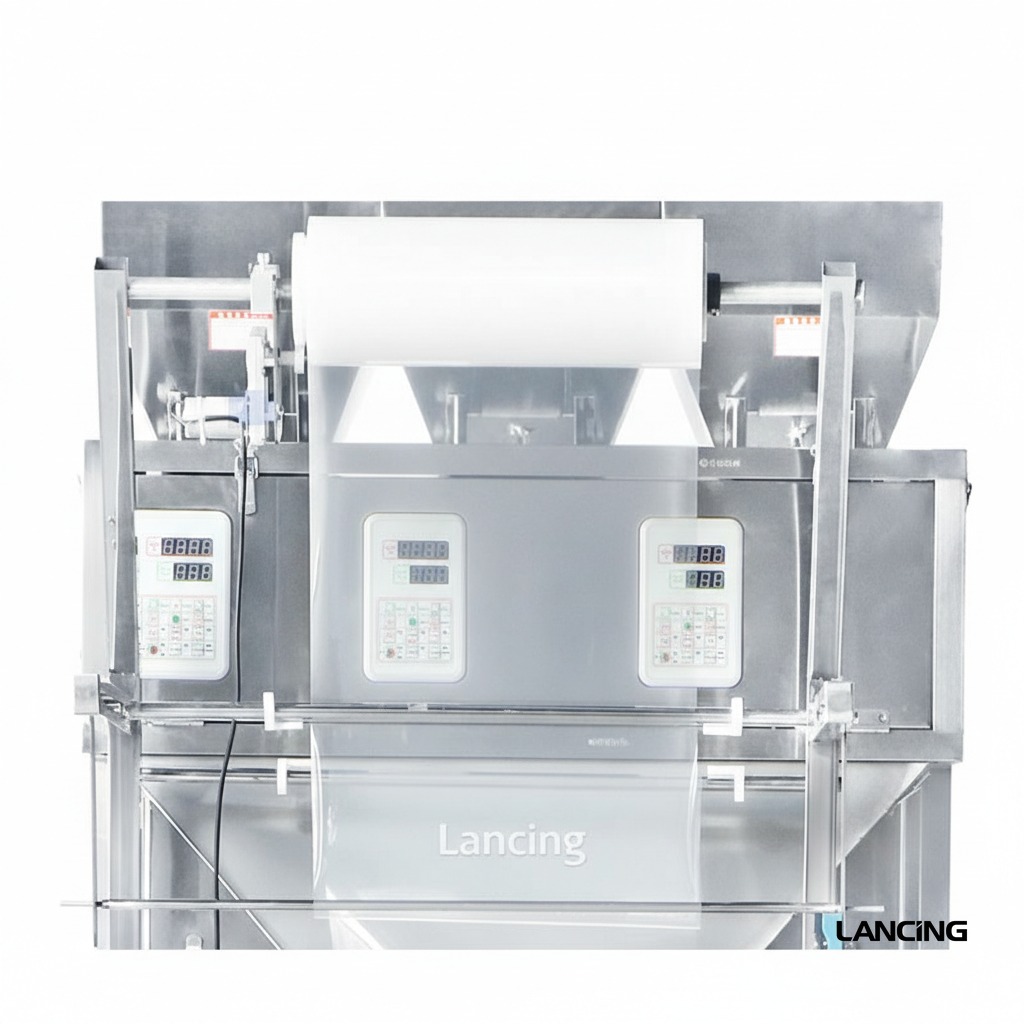
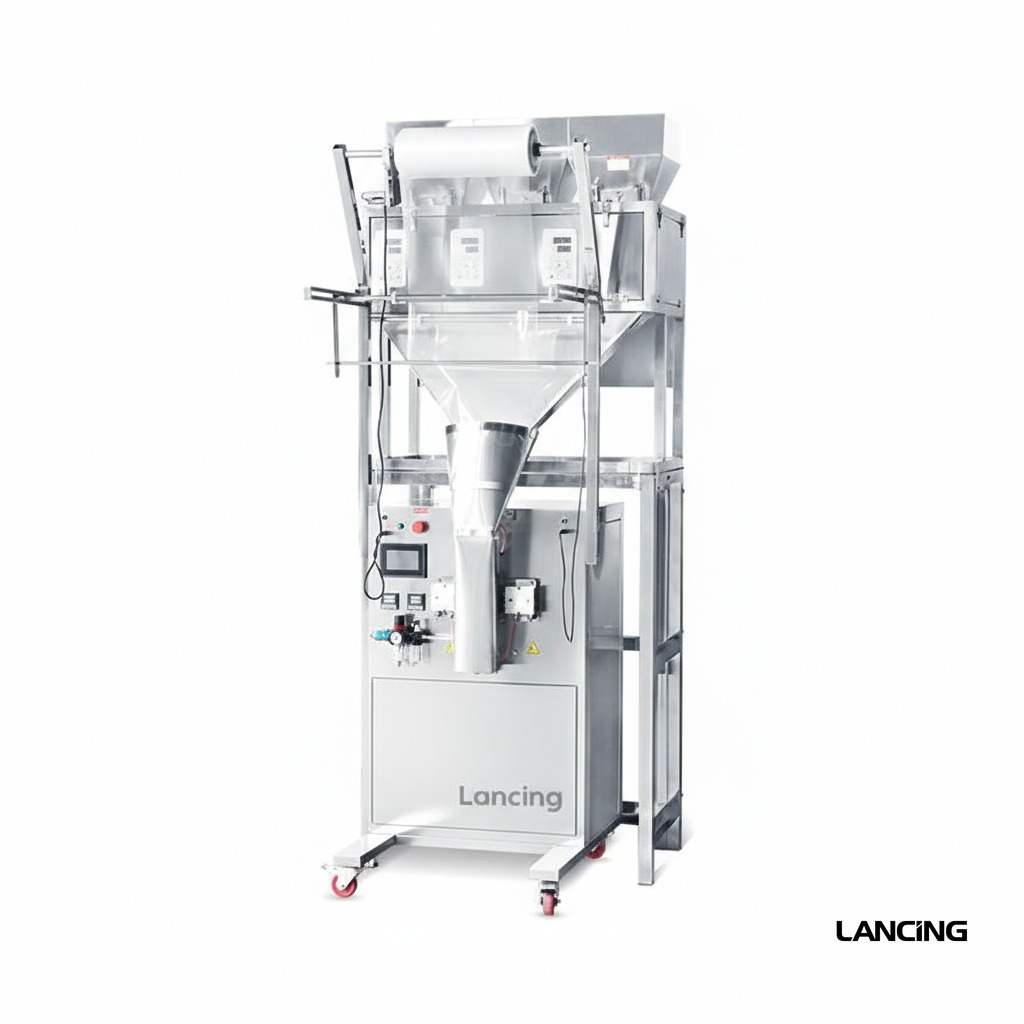
Automatic Pouch Granule Bag Weighing Filling Sealing Machine
Premade pouch / bag filling

Automatic Pouch Granule Bag Weighing Filling Sealing Machine

Compact pouch weighing, filling and sealing route for granules and free-flowing products where a neat finished bag is required.

ModelLU-FSK1000 Output5–15 bags/min Range50–1000 g configurable UseGranules, snacks, small dry products
View route →
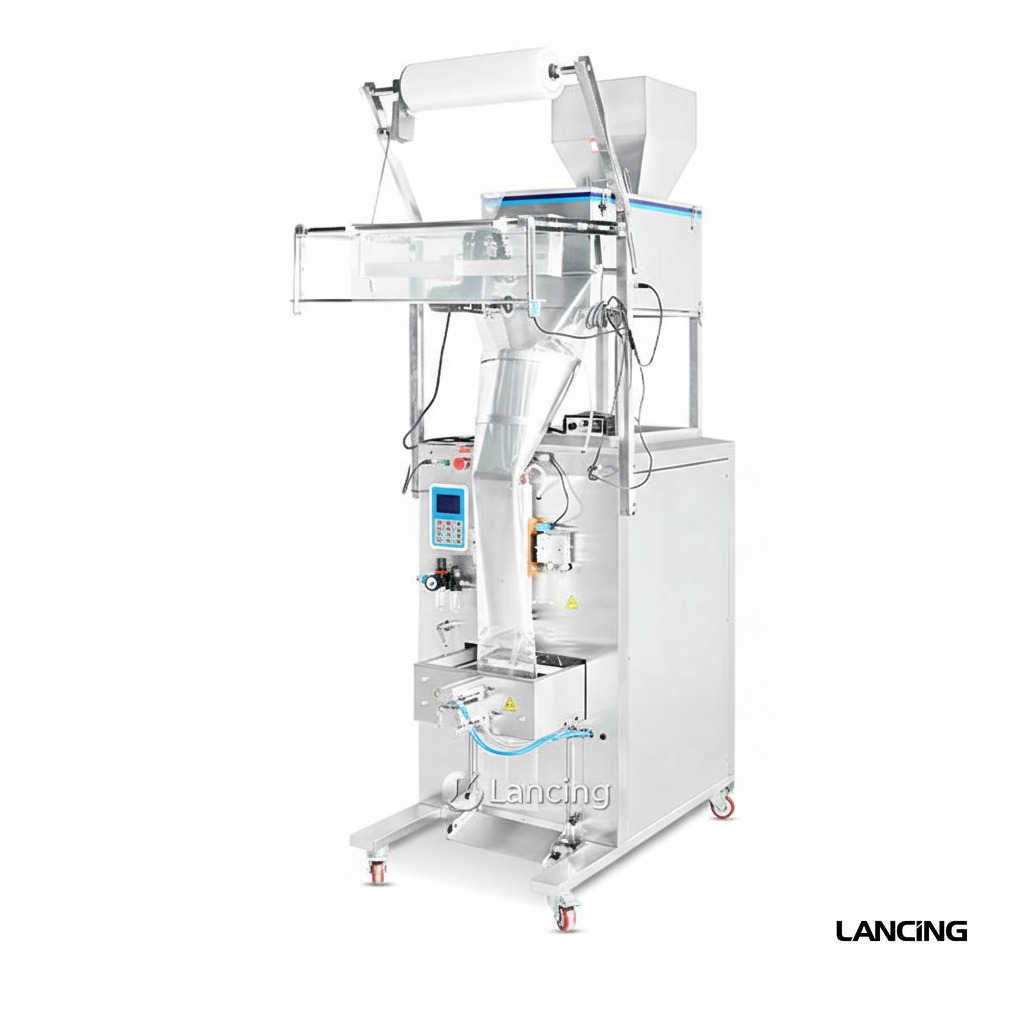
Back Seal Granule Pouch Filling & Sealing Machine
Back-seal VFFS pouch filling

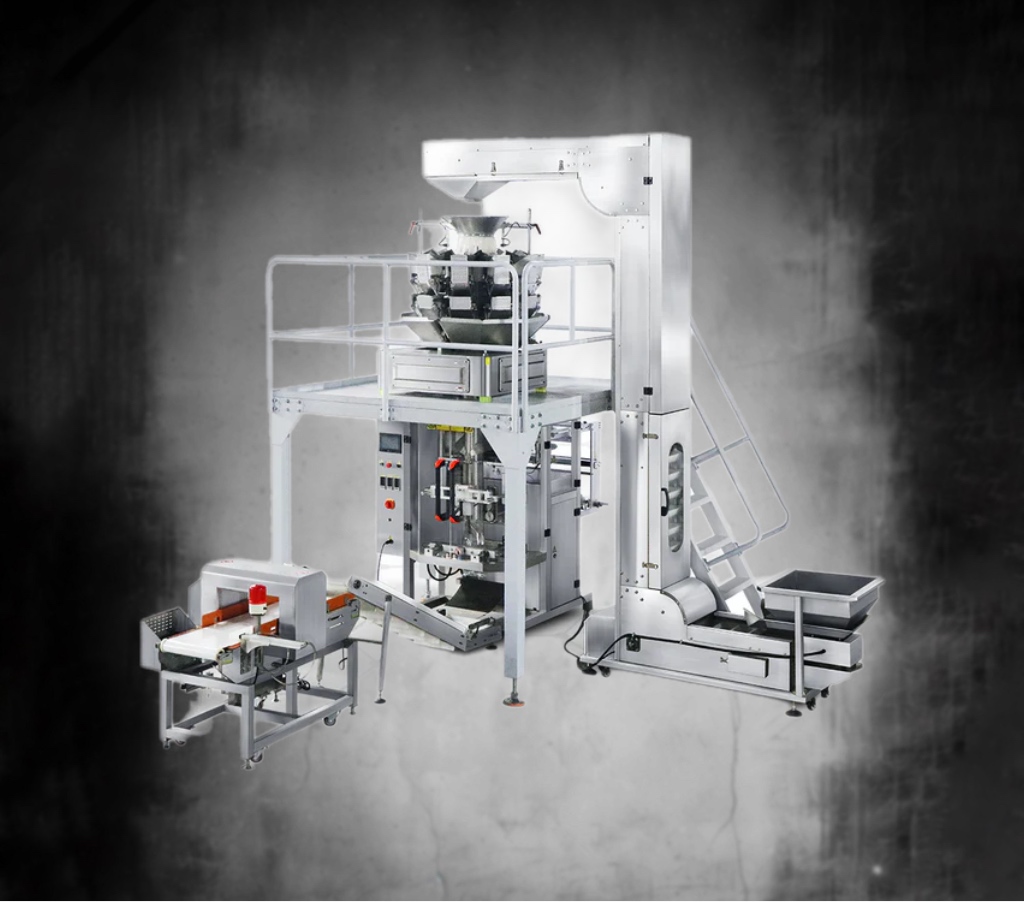
Back Seal Granule Pouch Filling & Sealing Machine

Back-seal granule pouch filling and sealing system for higher bagging speeds with adjustable product and film formats.

ModelLU-FS02 OutputApprox. 20–30 bags/min RangeApprox. 20–1000 g configurable UseCoffee, rice, confectionery, seeds, dry mixes
View route →
Automatic VFFS Auger Powder Filling Machine
Powder pouch filling

Automatic VFFS Auger Powder Filling Machine

VFFS auger filling and sealing system built around powder behaviour, clean dosing and dust-control considerations.

ModelLU-FS06 Output5–80 bags/min Range150–2000 ml UseDetergent powder, cleaning powder, powders that need auger control
View route →
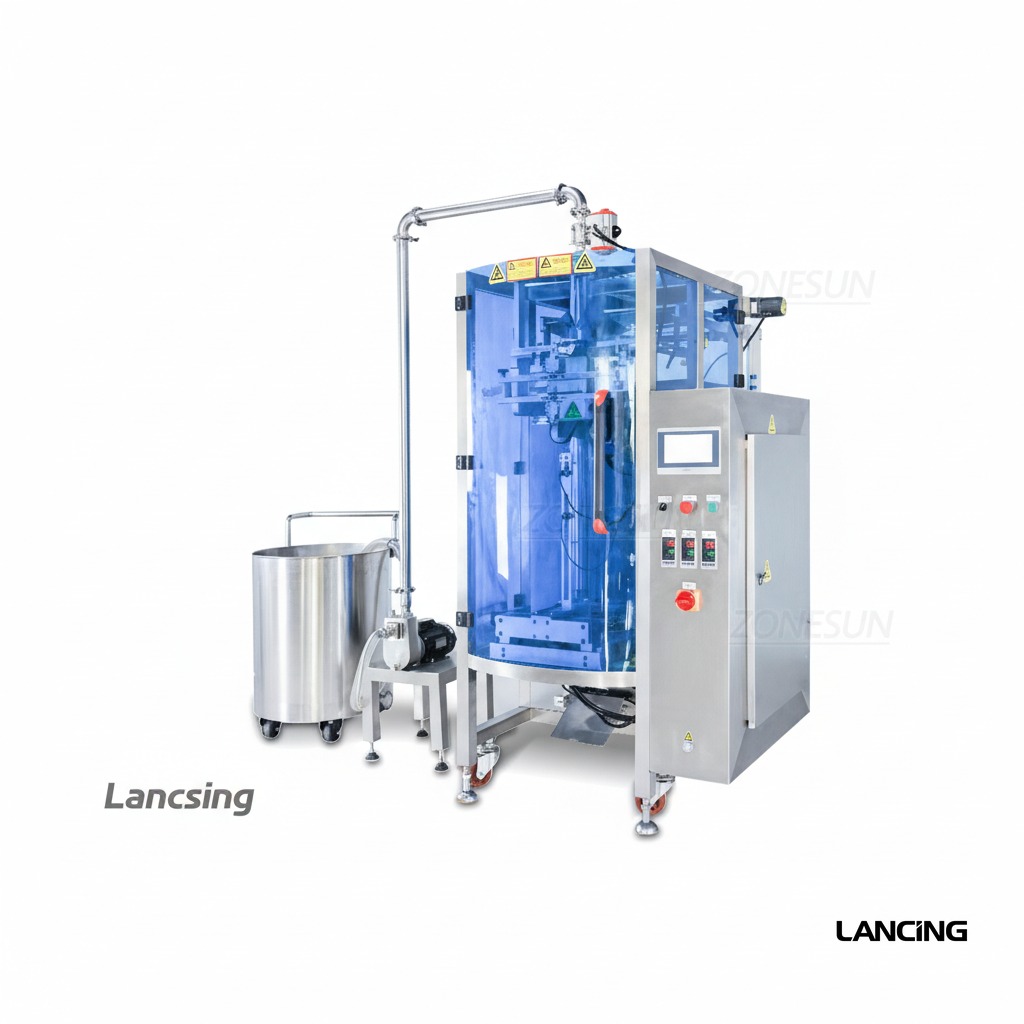
Liquid & Paste Filling Sealing Machine
Liquid and paste pouch filling

Liquid & Paste Filling Sealing Machine

Automatic pouch filling and sealing route for liquid and paste products with configurable tanks, pumps and film widths.

ModelLU-420GSY OutputApprox. 30–45 bags/min Range100–1000 ml configurable UseSauces, gels, cosmetic liquids, chemical liquids
View route →
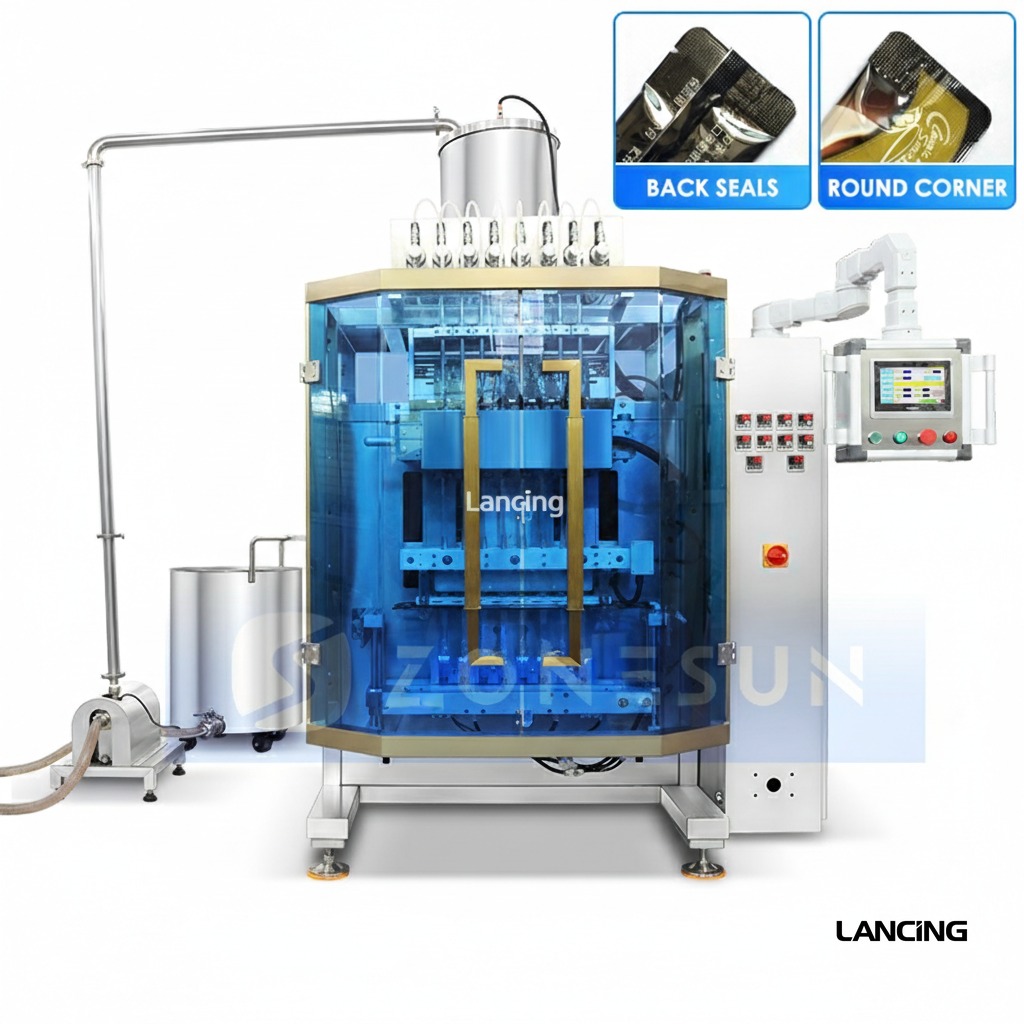
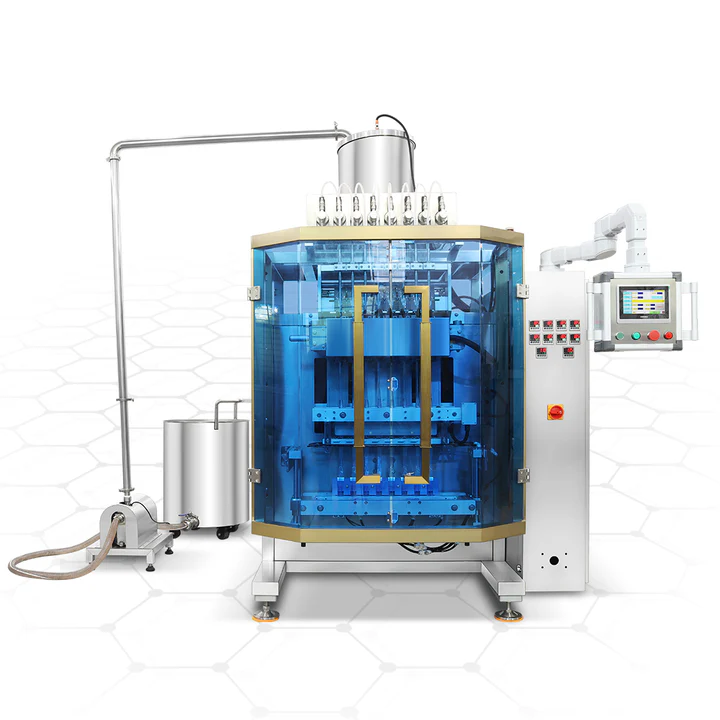
LU-FSMP8 Multi-Channel VFFS Liquid Bagging Machine
Multi-channel liquid sachet / pouch filling

LU-FSMP8 Multi-Channel VFFS Liquid Bagging Machine

Eight-channel VFFS liquid bagging system for small-format liquid pouches where repeatability and output are key.

ModelLU-FSMP8 Output25–40 bags/min per channel RangeCustomised bag length and width UseOils, sauces, cosmetics, chemical liquids
View route →
Automatic Granule Vacuum Filling & Sealing Machine
Granule vacuum pouch filling

Automatic Granule Vacuum Filling & Sealing Machine

Automatic weighing, filling, heat sealing and cutting route for grains, nuts and other granule pouch formats.

ModelLU-FM1000V Output15–25 pcs/min depending on product Range50–1000 g adjustable UseRice, grains, nuts and food granules
View route →
Granule Weighing Filling and Sealing Machine
High-speed granule pouch filling

Granule Weighing Filling and Sealing Machine

Multihead weighing and filling machine route for snack, rice, nut and coffee pouch projects with flexible sealing formats.

ModelLU-GFKL420 OutputUp to 60 bags/min Range10–2500 g configurable UseSnacks, rice, nuts, coffee beans, agricultural products
View route →

Machine comparison table.

Use this as an early planning guide. Final configuration depends on product testing and confirmed pack samples.

MachineModelProduct routeListed outputListed rangeBest-fit application
Automatic Pouch Granule Bag Weighing Filling Sealing MachineLU-FSK1000Premade pouch / bag filling5–15 bags/min50–1000 g configurableGranules, snacks, small dry products
Back Seal Granule Pouch Filling & Sealing MachineLU-FS02Back-seal VFFS pouch fillingApprox. 20–30 bags/minApprox. 20–1000 g configurableCoffee, rice, confectionery, seeds, dry mixes
Automatic VFFS Auger Powder Filling MachineLU-FS06Powder pouch filling5–80 bags/min150–2000 mlDetergent powder, cleaning powder, powders that need auger control
Liquid & Paste Filling Sealing MachineLU-420GSYLiquid and paste pouch fillingApprox. 30–45 bags/min100–1000 ml configurableSauces, gels, cosmetic liquids, chemical liquids
LU-FSMP8 Multi-Channel VFFS Liquid Bagging MachineLU-FSMP8Multi-channel liquid sachet / pouch filling25–40 bags/min per channelCustomised bag length and widthOils, sauces, cosmetics, chemical liquids
Automatic Granule Vacuum Filling & Sealing MachineLU-FM1000VGranule vacuum pouch filling15–25 pcs/min depending on product50–1000 g adjustableRice, grains, nuts and food granules
Granule Weighing Filling and Sealing MachineLU-GFKL420High-speed granule pouch fillingUp to 60 bags/min10–2500 g configurableSnacks, rice, nuts, coffee beans, agricultural products

Machine selection FAQs.

What is the difference between premade pouch filling and VFFS?

Premade pouch machines work with formed pouches. VFFS machines form the bag from roll film, fill it and seal it in one continuous route.

Which products can be packed in pouches?

Common projects include powders, granules, snacks, rice, coffee, sauces, oils, cosmetics, gels and chemical liquids.

Can Lancing UK advise before the final model is known?

Yes. Send product, pouch and output details and Lancing UK can help narrow the practical machinery route before selecting a final model.

Send your pouch, product and output target.

We’ll help shortlist whether a premade pouch machine, VFFS bagger, auger, multihead weigher, piston pump or multi-channel liquid system is the practical route.

Get pouch filling advice

UK pouch filling machine supply for real production projects.

PouchFillers.co.uk focuses on the searches used by buyers who need automatic pouch filling machines, pouch packing machines and pouch filling and sealing systems in the UK. The pages below separate premade pouch machines, VFFS bagging routes, powder pouch packing, liquid pouch filling, sachet filling, Doypack filling and stand-up pouch filling so each enquiry lands on the most relevant route.

Compare the complete pouch process, not only the filler.

The practical machine route is a combination of pouch presentation, dosing, sealing, coding, inspection and discharge. Each interface should be reviewed with the real product and pack.

Premade pouch process

Individual pouches are presented to the machine, gripped, opened, checked, filled and sealed. Pouch stiffness, opening width, zipper position, spout geometry and available top seal area affect reliability. This route is usually assessed when the finished pack format and shelf presentation are already defined.

VFFS process

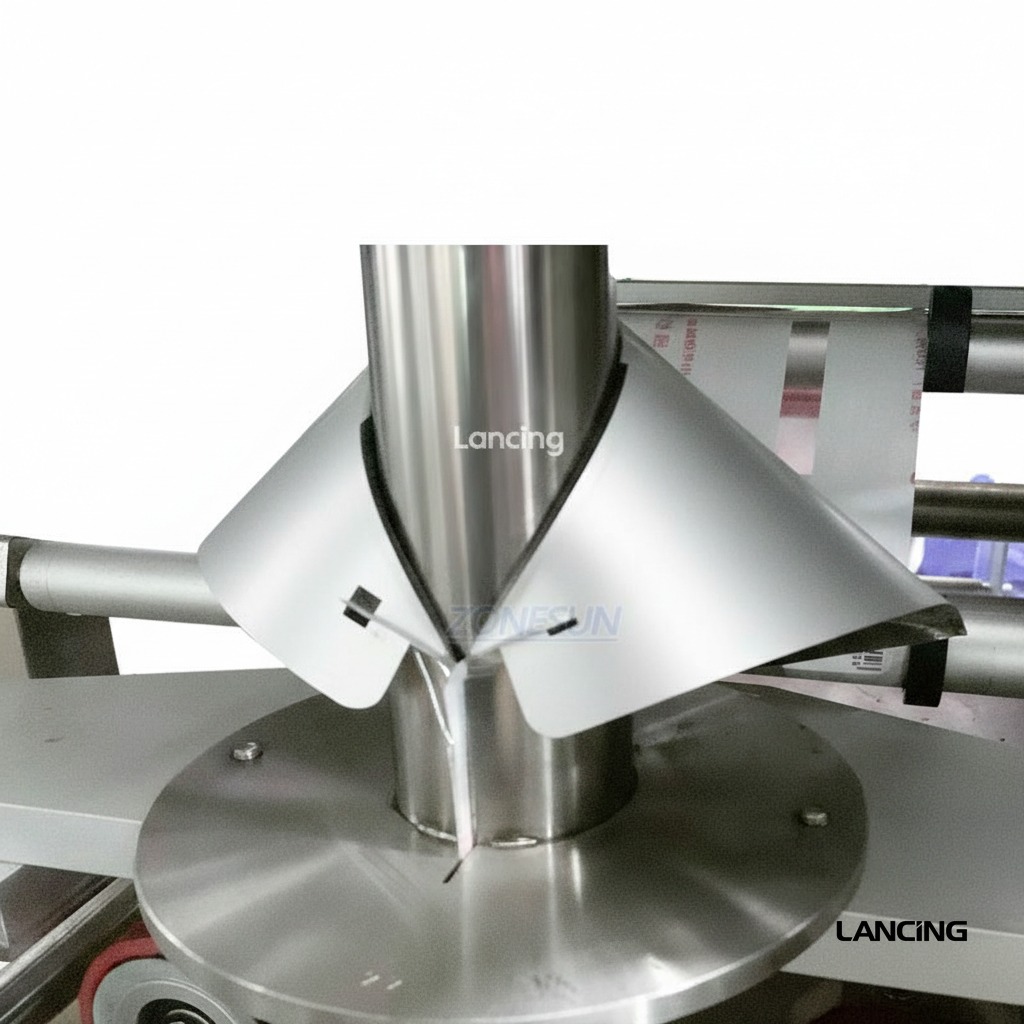
Reel film is tracked over a former, longitudinally sealed, dosed and cross-sealed before cutting. Film width, repeat length, registration, web tension, forming set, seal-jaw contact and product drop timing all influence output and finished-bag quality.

Dosing process

Augers are commonly reviewed for controlled powder dosing; linear and multihead weighers for suitable granules and pieces; and pump or piston systems for compatible liquids and pastes. The choice must follow actual flow, density, viscosity, particles and clean-cut-off behaviour.

Quality process

Agree how fill quantity, seal integrity, code quality and rejects will be checked. Product in the seal area, poor pouch opening, film drift, trapped air and unstable discharge can reduce saleable output even when the nominal machine cycle is higher.

Verified model reference comparison.

These published values provide a starting point for model discussions. They are not interchangeable promises: the correct configuration and achievable production rate must be proven with the intended product, pack and options.

ModelDosing and pack routePublished rangePublished outputKey specification evidence
LU-FSK1000Granule weighing with bag filling and sealing50–1000 g5–15 bags/minReference OPP/CPP/PE/PET film, up to 420 mm roll width and up to 280 mm bag length.
LU-FS02Back-seal VFFS for granulesApprox. 20–1000 gApprox. 20–30 bags/min based on filling volumeBack-sealed gusset format, reference film width up to 400 mm and bag length up to 280 mm.
LU-FS06Auger VFFS for powders150–2000 ml5–80 bags/minReference 60–250 mm bag width, 80–350 mm bag length and 520 mm maximum film width.
LU-420GSYPump-fed liquid or paste filling and sealing100–1000 mlApprox. 30–45 bags/minReference 60–200 mm bag width and 50–400 mm bag length; pump and tank scope are application-dependent.
LU-FSMP8Eight-lane magnetic-pump liquid sachetsPer lane: 15–26 mm wide and 34–150 mm longApprox. 25–40 sachets/min per laneBack seal, rounded-corner reference configuration and up to 500 mm film width.

For dedicated VFFS engineering detail, review Lancing Form Fill & Seal. For dedicated small sachet routes, review Lancing Sachet Filling Machines.

Evidence to capture during a machine trial.

The trial plan should convert the sales specification into measurable finished-pack evidence.

  • Product feed remains stable without bridging, flooding, excessive dust or pump starvation
  • Fill checks are taken using the agreed sampling and weighing method
  • Pouch opening, gripper control or film tracking remains stable through the run
  • Seal faces remain acceptably clean and the agreed integrity test is passed
  • Date, batch or other coding is legible and positioned within the approved print area
  • Rejects, stoppages and adjustments are recorded rather than removed from the result
  • Changeover parts, settings, tools, cleaning access and restart checks are documented

Specify the interfaces

Include upstream product feed, hopper level control, conveyors, printers, checkweighers, metal detection where required, reject handling and downstream packing. A line can only sustain the output of its slowest or least stable interface.

Use the specification checklist →

Plan a pouch filling trial →

Detailed machinery questions.

What pouch dimensions are needed for a machinery review?

Provide the overall width and height, usable opening, bottom or side gusset, seal area, zipper or spout position and the intended fill level. For reel film, provide film width, repeat length, registration-mark details, core and maximum reel diameter where known.

How should laminate compatibility be checked?

Identify the full laminate construction and sealant layer rather than only saying “plastic film”. The machine trial should confirm tracking, forming, jaw temperature, dwell, pressure, seal appearance and integrity using production-equivalent material.

Can coding be added to a pouch filling line?

Yes, subject to the code method, print area, web or pouch presentation and line speed. The code should be trialled on the actual laminate and checked for legibility, adhesion and position after the pack has been formed and sealed.

How is leak testing agreed?

The buyer and supplier should agree a test suitable for the product, laminate and seal design. Visual inspection alone may not be enough; the method may include a defined squeeze, peel, burst, vacuum or immersion procedure where appropriate to the pack and quality plan.

Why can saleable output be lower than the stated machine speed?

Published speeds are reference machine-cycle figures. Dosing time, product settling, seal dwell, coding, inspection, rejects, pouch replenishment, film changes, cleaning and upstream or downstream constraints all affect sustained saleable output.

What should be recorded for changeover?

Record the product recipe, filler parts, former or pouch guides, gripper positions, seal-jaw settings, print setup, sensor positions, tools, cleaning steps and first-off approval checks needed before production restarts.

Compare a complete pouch filling route.

Send the product, pack drawing, laminate, target dose, saleable output and quality checks so Lancing can narrow the correct machinery family and trial scope.

Send specification details

Define line states and interface ownership before the equipment is built.

A complete pouch filling line has to respond predictably when product, packaging, coding, inspection or downstream handling is not ready. Agreeing those responses during specification prevents individual machines from working correctly while the complete line remains difficult to operate.

Product feed and machine-ready conditions

Define how the filler receives product, how low level or interrupted feed is detected, who controls replenishment and what must be true before an automatic cycle can start. The brief should distinguish a normal pause from a fault and record how dosing stability is rechecked after product feed returns.

Inspection, coding and reject ownership

State which device confirms code readiness, fill compliance or another required quality check, and define the required response to a failed result. A reject path needs enough space, confirmation and record keeping to prevent a non-conforming pouch being mixed back into accepted output.

Downstream blocking and controlled recovery

Describe what the filler should do when a conveyor, accumulation point or packing station is unavailable. The sequence should protect the pouch, product and seal area, then give the operator a clear restart check rather than relying on an improvised recovery.

InterfaceInformation to defineEvidence to retain
Product feedSource vessel or feeder, level control, refill method, product-ready signal and response to interrupted supply.Stable dosing before and after refill, low-level response and documented restart check.
Pouch or film supplyReplenishment method, low or empty condition, splice or magazine change and permitted operator intervention.Controlled stop, packaging replenishment and first approved pouch after restart.
CoderReady/fault signal, code content, print zone, batch change responsibility and response when the coder is unavailable.Legible code on the completed pouch and a recorded response to a simulated not-ready condition.
Inspection and rejectCheck method, trigger, reject destination, confirmation and action when the reject path is full or unavailable.Known test packs are identified and segregated without disrupting accepted production.
Downstream equipmentConveyor or packing-station ready signal, accumulation allowance and the required blocked-line response.Controlled pause and recovery without damaged, unsealed or duplicated packs.
Operator restartChecks for product path, pouch or film position, code, seal area, guards, rejects and first-off approval.A repeatable restart record that can be used for training and handover.

Use one sequence description across the line.

The filler, product-feed equipment, coder, inspection device and conveyors should share a common description of ready, running, starved, blocked, controlled stop, fault and recovery states. That description gives controls engineers, operators and the acceptance team the same reference during integration and testing.

Use the pouch filling line layout guide to define physical interfaces, then record the required checks in the pouch filler specification checklist.

Information for the line-sequence review

  • Process flow and equipment layout
  • Product, pouch or film replenishment method
  • Coder and inspection ready/fault requirements
  • Reject destination and confirmation method
  • Downstream accumulation and blocking conditions
  • Operator tasks for pause, fault and restart
  • Acceptance evidence for each interface

Plan the integrated machine trial →

Use one decision map for the complete pouch process.

A machine shortlist becomes more reliable when each process decision is tied to evidence from the intended product, pouch or film and acceptance method.

DecisionEvidence to provideWhat the evidence controls
Premade pouch or VFFSPack design, annual format mix, film or pouch supply, print requirements and changeover pattern.Pouch feeding and gripping, or reel unwind, forming and registration.
Dosing principleProduct sample, density or viscosity range, particle size, temperature, foam, dust, fragility and dose range.Auger, weigh, cup, pump or piston route; product feed; cut-off; cleaning and seal-area protection.
Seal processLaminate construction, sealant layer, thickness, pouch features, contamination risk and agreed integrity method.Jaw arrangement, temperature/pressure/time window, cooling and quality checks.
Code and inspectionCode content and position, verification requirement, weight or detector checks, reject logic and downstream layout.Printer location, sensors, line states, reject confirmation and records.
AcceptanceRepresentative materials, test duration, replenishment, restart, changeover and saleable-output definition.Trial protocol, FAT evidence, training and production handover.

Questions about complete pouch filling machinery.

A complete machinery review must connect the dosing, pouch handling, sealing, coding, inspection and discharge stages into one controlled production sequence.

How do you identify the bottleneck in a pouch filling line?

The bottleneck is the station or recovery step that limits sustained good-pack output, not necessarily the slowest headline machine. Observe product replenishment, pouch supply, dosing, sealing dwell, coding, inspection, reject confirmation and downstream discharge through a representative run.

Record stop reason, duration, restart losses and accepted packs. The output guide shows how to separate cycle rate from saleable pouch line output.

What does a line-ready signal need to prove?

A line-ready signal should prove that the receiving process can accept the next pack safely and without losing traceability. It should reflect the real condition of the downstream machine, reject path, conveyor space and any quality device rather than a permanently enabled contact.

The signal definition, failure state and recovery sequence should be written into the line description and tested during acceptance.

Why should good-pack output exclude rejects and recovery time?

Good-pack output measures usable production, whereas cycle rate counts machine actions. Pouches lost during start-up, code correction, seal stabilisation, fault recovery or deliberate challenge tests do not demonstrate sellable capacity and should be identified separately.

Agree the counting boundary before the trial so supplier and buyer are measuring the same result.

How should a pouch line respond to a downstream blockage?

The line should stop or slow in a controlled sequence that protects product, seals and traceability. The filler may need to inhibit the next dose, finish a pouch already in process, hold or reject an uncertain pack and preserve the code and inspection record.

The safe response depends on the line design and risk assessment. Define it before software and conveyor layouts are finalised.

What evidence shows that a complete pouch line is ready for acceptance?

Acceptance evidence should cover normal running, replenishment, planned stops, faults, reject challenges, changeover and restart. Retain the tested product and packaging references, settings, output record, accepted and rejected samples, code checks and named deviations.

Use one controlled protocol so every result can be traced to the condition tested. The trial guide sets out the evidence path.

Use the real product and pouch to confirm the answer.

Send the application details, representative samples and required acceptance checks so Lancing can review the suitable pouch filling route.

Discuss a pouch project

Compare pouch filling routes using the same production evidence.

Premade pouch, Doypack and VFFS routes should be compared against one controlled product, pack and acceptance brief. This prevents a headline mechanical rate or machine description from replacing the evidence needed to judge saleable output.

DecisionPremade pouch routeVFFS routeEvidence common to both
Packaging inputFinished pouch dimensions, opening, zipper, spout, gusset and supplier variation.Film width, repeat, registration, unwind, core, laminate and forming-set requirements.Approved pack drawing, representative material and clean seal zone.
DosingFiller discharge must enter an opened pouch without damaging the mouth or closure.Doser timing must match bag formation, product fall and jaw closure.Product condition, dose range, replenishment method and measured fill checks.
Finished packGrip marks, pouch presentation, feature clearance and top-seal acceptance.Bag length, cut position, longitudinal seal, cross-seal and print registration.Good-pack definition, code, integrity check and reject evidence.
ChangeoverMagazine, pickup, opening, gripper, fill and seal adjustments.Reel, former, tracking, registration, bag length, dose and jaw settings.Controlled change parts, recipe, first-off approval and restart check.

Use the changeover validation guide and the FAT and SAT acceptance guide to compare complete project scope rather than isolated machine claims.

Questions to resolve before comparing machine rates.

Should mechanical cycles or saleable pouches be compared?

Compare saleable pouches produced under the agreed product, pack and inspection conditions. A mechanical cycle rate does not include losses caused by pouch feeding, dosing, settling, sealing, coding, rejection, replenishment, downstream blockage or operator intervention.

Does an automatic filler automatically define a complete line?

No. The scope must state how product and packaging are supplied, how the line starts and stops, where coding and inspection occur, how rejected pouches are confirmed and how finished packs leave the machine. Missing interfaces can limit the output of otherwise automatic equipment.

Can machine routes be compared before the final pouch is available?

They can be shortlisted, but final handling and seal suitability should remain conditional until representative packaging is tested. Use drawings and supplier data for early layout work, then confirm the machine route with production-equivalent pouch or film.

What belongs in the machine acceptance schedule?

Include the test materials, run sequence, fill checks, good-pack definition, seal and code checks, fault challenges, reject confirmation, changeover, restart, documentation and open-deviation process. The schedule should distinguish factory evidence from tests that can only be completed on site.

Call nowContact us