Pouch filling machinery, VFFS bagging and filling & sealing lines from Lancing UK01494 623015 · sales@lancinguk.com
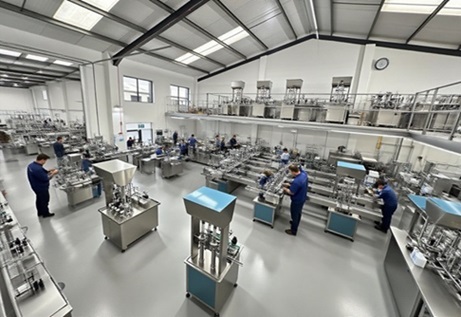
Lancing pouch filling machinery workshop used to illustrate factory acceptance testing
Factory and site acceptance

What should a pouch filling machine FAT and SAT prove?

FAT should prove the agreed machine scope in controlled factory conditions; SAT should confirm installation, utilities, interfaces and handover on the production site using the same acceptance basis.

Separate trial, FAT and SAT while keeping one evidence chain.

The stages should not repeat each other blindly. A development trial establishes a practical route, FAT tests the ordered machine scope before despatch, and SAT confirms that the installed system works with the site conditions and connected equipment.

StageQuestion answeredTypical evidenceBoundary
Application trialIs the proposed filling, handling and sealing method practical?Representative samples, setup observations, filled pouches, limitations and proposed checks.May use development equipment rather than the final ordered machine.
Factory acceptance testDoes the built machine perform the agreed factory-test scope?Good-pouch run, fill results, seal and code checks, faults, rejects, changeover, documents and deviations.Site utilities and live connected equipment may need simulation.
Site acceptance testDoes the installed system work safely and correctly within the production line?Installation checks, utilities, materials, handshakes, operating sequence, training and handover actions.Must reflect the agreed site responsibility and production conditions.

Direct answers about FAT and SAT for pouch filling machinery.

What should a pouch filling machine FAT prove?

FAT should prove the machine functions, agreed materials and formats, good-pouch output, fill checks, sealing, coding, inspection, reject handling, alarms, changeover and documented operating sequence that can be tested in the factory. The protocol should identify simulated interfaces and any conditions reserved for SAT.

Acceptance should be based on recorded evidence, not only observation that the machine runs.

What should SAT add to the factory evidence?

SAT should confirm installation, access, utilities, site product and packaging, upstream and downstream interfaces, line controls, local operating procedures, training and the complete handover state. It should repeat only the factory checks needed to prove that transport, installation or site conditions have not changed the accepted result.

Record site-specific open actions separately.

How should good-pack output be measured?

Count pouches that meet the agreed dose, pack, seal, code and inspection criteria over the defined test period. Record rejects, stops, interventions, replenishment, product or packaging losses and restart behaviour. State whether the result is per lane, per machine or for the complete line.

Do not substitute an unloaded mechanical cycle rate for saleable output.

What happens when representative materials are unavailable?

Record the substitute, the reason, the differences and the acceptance points that remain conditional. A substitute may prove mechanical function but cannot confirm product-specific dosing, pouch opening, film tracking, sealing or finished-pouch quality when its behaviour differs materially.

Plan a later test with production materials and define who supplies them.

Build the acceptance protocol around observable evidence.

  1. Freeze the scope and responsibilities

    List the machine, options, interfaces, materials, attendance, utilities, documents and exclusions.

  2. Define good pouches and test methods

    State fill, dimensions, presentation, seal, code, integrity, reject and sampling requirements.

  3. Write the run sequence

    Include setup, normal running, replenishment, challenge states, stop, restart and changeover.

  4. Record results and deviations

    Use traceable samples, measurements, photographs or video where approved, alarms and operator interventions.

  5. Separate FAT and SAT actions

    Identify simulated factory interfaces and the checks that require the installed production line.

  6. Complete handover

    Close deviations or assign actions, then record training, documents, spares, settings and support information.

Acceptance information to agree

  • Machine and interface scope
  • Product and packaging quantities
  • Format and changeover matrix
  • Good-pouch definition
  • Run duration and output measure
  • Fault and reject challenges
  • Documents and training
  • Deviation and sign-off method

Related pouch filling guidance.

Application trials

Prove the proposed route and agree acceptance checks before the machine scope is fixed.

Plan the trial →

Quotation comparison

Compare included tests, materials, site work, documents, training and open assumptions.

Compare proposals →

Agree the acceptance schedule before materials are sent.

Lancing can review the product, pouch, line scope and evidence needed for the factory and site stages.

Discuss FAT and SAT
Call nowContact us