
Pouch material and laminate guide
Collect dimensions, tolerance, construction, sealant, zipper, spout and reel evidence before handling and sealing trials.
Use these guides to compare pouch filling machine routes for your product, pouch format and output target.
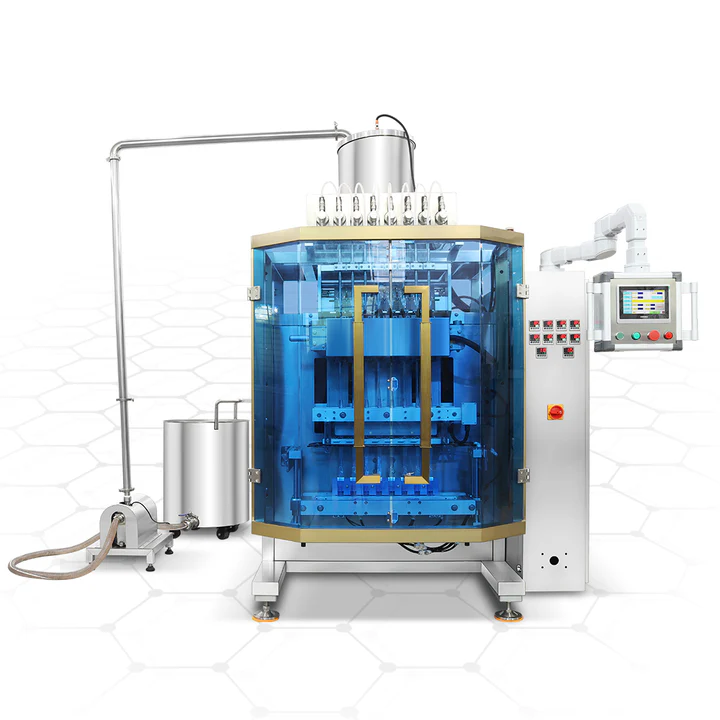
These points help Lancing UK shortlist suitable pouch filling machinery for your product and pack.
Send product type, fill weight or volume, pouch dimensions, material, target output, current process, available space and whether coding, checkweighing or conveyors are required.
Compare the related machinery routes against your product, pouch format and output requirements.
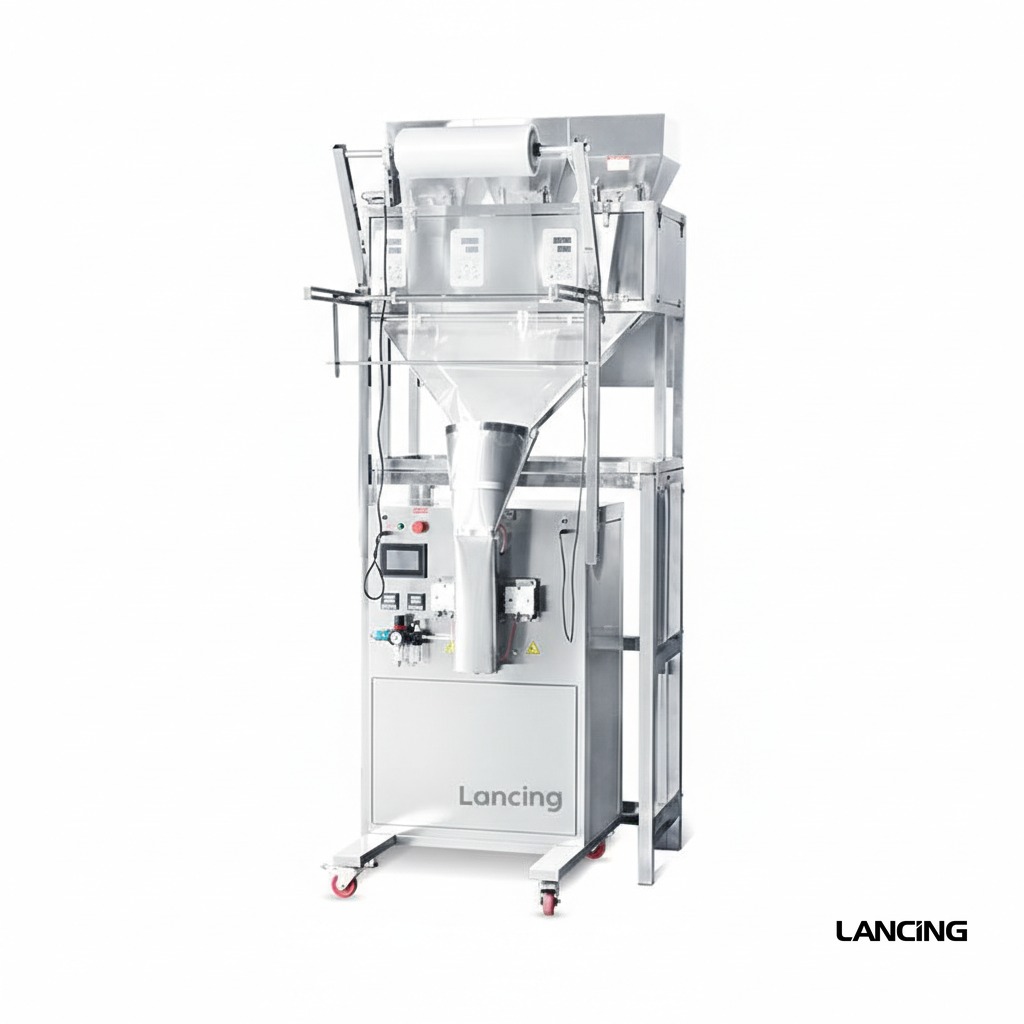
The practical shortlist is based on product behaviour, pouch or film format, output, seal quality and line integration rather than a generic machine name.
Choose premade pouch or VFFS before comparing models.
Select auger, weigh, piston or pump filling around product behaviour.
Use the quote and specification pages to send product, pouch and output details.
It brings the machine, product and pack guides together so you can compare suitable pouch filling routes before preparing an enquiry.
Use the pouch filling machine quote page or contact page when you already know product type, pouch size and output target.
Use these guides to compare pouch filling methods, machine options and the information needed for a quotation.
Send the product, pouch format and target output. Lancing UK will advise which machine route is practical.
These guides cover distinct engineering decisions that apply across premade-pouch and VFFS projects. Use them with the machine category pages and the existing enquiry route.
Collect dimensions, tolerance, construction, sealant, zipper, spout and reel evidence before handling and sealing trials.
Compare qualitative selection factors for powders, granules, liquids, pastes and products with particles.
Plan premade-pouch magazine, pickup, opening, gripper datum, fill support and format-window checks.
Separate seal settings, visual quality, seal strength, gross leak and validated integrity methods.
Define code content, verification, inspection interfaces, pack tracking and confirmed reject handling.
Trace handling, dose, seal, code and line faults from symptoms to evidence and controlled recovery.
Send the product, pouch or film, target dose, quality checks, line layout and samples available for review.
Use these resources when the project needs a direct answer about output, packaging suitability, line controls or quotation scope before a machine route is confirmed.
These resources connect pack geometry, repeat changeover and machine acceptance so the project can move from initial samples to an installed production baseline.
Define the usable fill zone from product settlement, foam, dust, zipper or spout clearance and a clean seal band.
Open the fill-zone guide →Build a controlled record for change parts, recipes, setup checks, first-off approval and repeat restart.
Open the changeover guide →Separate application trial, factory acceptance and site acceptance while retaining one traceable good-pack definition.
Open the acceptance guide →Use these resources when the main pouch route is known but layout, material transition or cleaning evidence still needs to be defined.
Compare process stations, footprint, access, dosing integration and accepted-pouch evidence.
Open the layout comparison →Plan production-equivalent trials for material handling, forming, sealing, coding and inspection.
Open the material guide →Define cleaning boundaries, safe access, line clearance and evidence for the next product.
Open the hygiene guide →