
Usable fill zone
Record the target dose, occupied volume, filled profile, headspace, zipper or spout clearance and the product-free seal band.
Define the fill zone →The most common reason pouch filling projects slow down is missing specification detail. This checklist helps buyers prepare the product, pouch, machine and line information needed before shortlisting equipment.
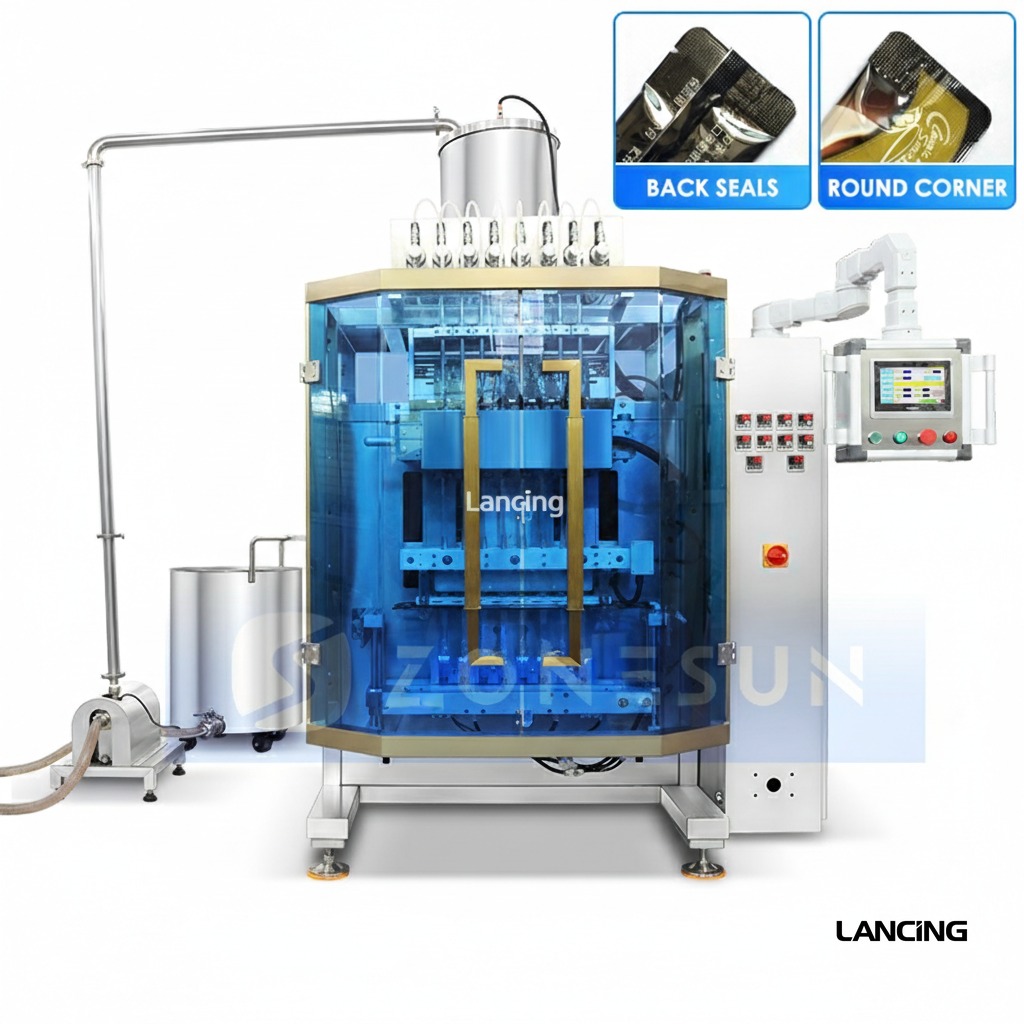
These points help Lancing UK shortlist the correct pouch filling machinery instead of forcing the project into a generic product page.
Send product type, fill weight or volume, pouch dimensions, material, target output, current process, available space and whether coding, checkweighing or conveyors are required.
These linked pages help compare adjacent machine routes and give Google a clearer crawl path through the site.
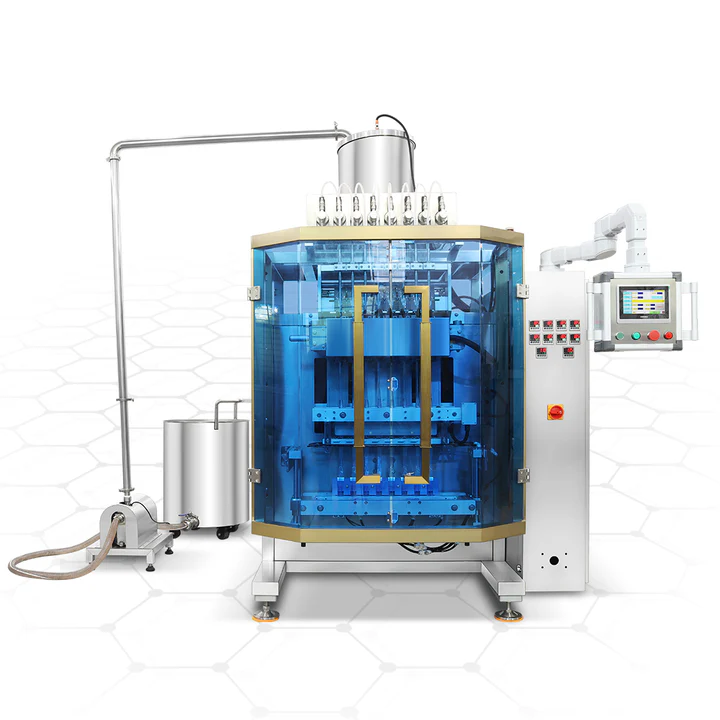
The practical shortlist is based on product behaviour, pouch or film format, output, seal quality and line integration rather than a generic machine name.
Define flow, viscosity, particulate size, fill weight or volume and cleaning needs.
Define pouch style, material, dimensions, seal width, print registration and sample availability.
Define output, available space, electrical supply, air, conveyors, coding and inspection.
The filling system is chosen around how the product moves, not just what the product is called.
It is better to specify the product, pouch and output first, then shortlist the machine route.
Send the product, pouch format and target output. Lancing UK will advise which machine route is practical.
Complete the fields that apply and mark unknown items for review. Do not replace missing facts with estimated claims; a sample or drawing is usually more useful.
| Section | Checklist |
|---|---|
| Product | Name; physical state; density or viscosity; particles; dust; foam; temperature; compatibility; safety; batch variation; cleaning. |
| Dose | Nominal weight/volume; smallest and largest; tolerance; sampling; measurement equipment; giveaway or underfill action. |
| Premade pouch | Width; height; usable opening; gusset; zipper; spout; tear notch; seal area; laminate; stiffness; normal manufacturing tolerance. |
| VFFS film | Structure; sealant; thickness; web width; repeat; marks; print direction; core; reel diameter; seal style; bag dimensions. |
| Output | Saleable packs per minute/hour; shift; batch size; replenishment; film or pouch changes; product changes; cleaning time. |
| Quality | Fill checks; dimensions; appearance; seal integrity; leak method; code verification; inspection; reject; records. |
| Integration | Product feed; hopper/tank; conveyors; printer; checkweigher; detector; reject; accumulation; secondary packing; controls. |
| Site | Layout; access; floor; power; air; extraction; drainage; environment; operator access; installation responsibilities. |
| Handover | Trial; acceptance; training; recipes; change parts; cleaning; maintenance; spares; documentation; support contact. |
For every important requirement, state the condition, method, sample size or duration, result to record and action if the result is outside the agreed limit.
| Requirement | Condition | Method | Recorded evidence |
|---|---|---|---|
| Fill performance | Named product, dose, pouch and normal feed state. | Agreed weighing or volume check and sampling plan. | Individual results, summary and interventions. |
| Saleable output | Defined coding, inspection, reject and replenishment assumptions. | Timed run with rejects and stops included. | Good packs, rejects, stops and reason codes. |
| Seal integrity | Production-equivalent laminate and filled pack. | Agreed visual and integrity procedure. | Results, failure location and approved examples. |
| Changeover | Named before/after product or format. | Observed parts/settings/cleaning and first-off approval. | Time, tools, parts, settings and first approved pouch. |
Ask the pouch or film supplier for the construction and sealant layer, and send production samples. Do not select seal settings from appearance or thickness alone.
Add it to the format matrix with product, dose, dimensions, features and material. The supplier can then confirm whether it is within the machine range and what change parts are required.
Cycle speed describes machine actions under stated conditions. Saleable output accounts for dosing, seals, codes, checks, rejects, replenishment, stops and the wider line.
Cleaning affects product-contact design, access, removable parts, drain-down, changeover time, cross-contamination control and the procedure needed before production restarts.
Yes. The product, materials, test methods, conditions and evidence should be understood before manufacture so the trial and final acceptance measure the intended production requirement.
Send the completed information, samples and drawings through the existing enquiry route so the proposed configuration can be checked against one controlled brief.
Names and nominal sizes are not enough for features that must be handled, dosed or sealed. The attachment list below gives the machine supplier the evidence needed to confirm assumptions and plan a representative trial.
| Attachment | Minimum content | Linked decision |
|---|---|---|
| Product data sheet | Product identity, condition at fill, density/viscosity range, particles, dust/foam, temperature, compatibility and cleaning information. | Dosing method, feed system, product-contact design and trial quantity. |
| Pouch/film schedule | Supplier, format reference, dimensions/tolerance, laminate/sealant, zipper/spout/gusset and samples from a normal batch. | Handling, forming, gripping, sealing and change parts. |
| Artwork/code drawing | Print repeat and direction, registration mark, mandatory code content, code area and verification expectation. | Web registration, printer location, sensors and inspection. |
| Quality plan | Dose method, visual criteria, dimensions, seal/integrity method, sample frequency, reject action and retained records. | Acceptance equipment, reject logic, FAT/SAT and production checks. |
| Layout/interface drawing | Available space, access, utilities, product feed, conveyors, inspection, accumulation and secondary packing. | Mechanical/electrical scope, controls, guarding and installation. |
Complete packaging fields with the laminate guide, dose fields with the dosing guide, and quality fields with the seal-integrity guide and inspection guide.
These fields connect the selected machine route to the production method that must be repeated and accepted.
Record the target dose, occupied volume, filled profile, headspace, zipper or spout clearance and the product-free seal band.
Define the fill zone →Record change parts, recipes, adjustment references, empty-cycle checks, first-off inspection, retained samples and restart approval.
Define changeover evidence →State which tests happen at the supplier, which depend on the production site, the materials required and how deviations will be closed.
Define acceptance stages →| Specification area | Evidence to include | Related guide |
|---|---|---|
| Machine architecture | Required stations, footprint, access, dosing position, line interfaces and accepted-pouch output. | Rotary vs linear comparison |
| Packaging material transition | Current and proposed constructions, supplier data, normal tolerance, final print, closure and seal test. | Mono-material trial guide |
| Hygiene and cleaning | Product matrix, cross-contact risk, cleaning method, isolation, verification and first-off release. | Hygiene changeover guide |