
Premade pouch fillers
For already-formed pouches requiring opening, dosing and sealing.
View premade pouch route →An automatic pouch filling machine must match the product behaviour, pouch style, seal area and target output. Lancing UK can shortlist premade pouch filling, VFFS bagging, auger dosing, weigh filling or pump-fed pouch filling routes.
To improve speed, reliability and finished-pack quality, the machine route should be selected from the product and pack specification rather than from price alone.
Confirm whether the product is a powder, granule, liquid, paste, gel or mixed product. This decides whether the route uses an auger, weigher, pump, piston filler or multi-channel liquid system.
Confirm pack size, seal style, gusset, zipper, spout, laminate, registration marks and whether the pack is premade or produced from roll film.
Check target packs per minute, coding, checkweighing, reject handling, conveyors, guarding, utilities and future changeover requirements.
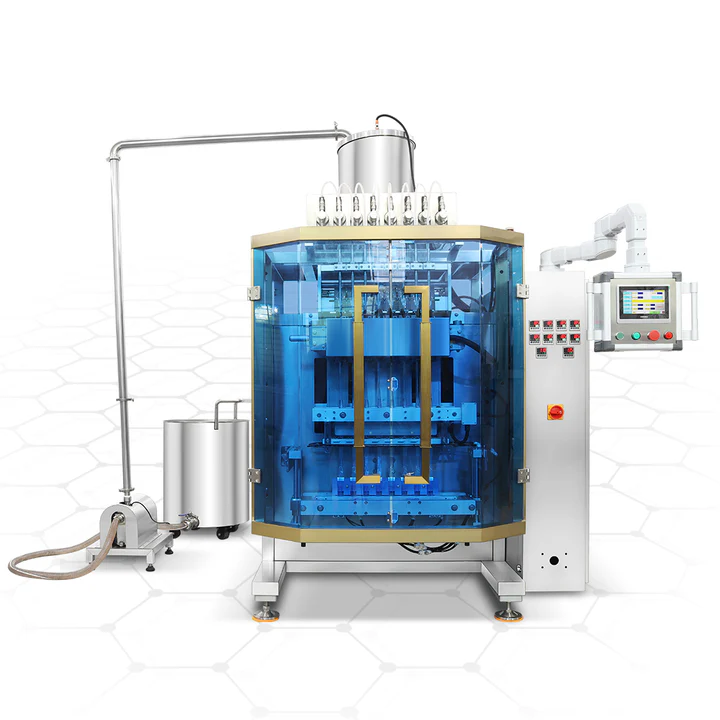
Use these routes to compare the closest machine types for this application.
For already-formed pouches requiring opening, dosing and sealing.
View premade pouch route →For roll-film bagging where the machine forms, fills and seals the pack.
View VFFS route →Compare product-specific dosing routes across dry and wet products.
Compare machinery →
Send pack samples or drawings where possible, plus product details, current fill process, target output and photos or videos of the current line. This helps rule out unsuitable equipment early.
Premade pouches are normally chosen for premium pack presentation or frequent format changes. VFFS is often preferred when roll-film cost, repeatable output and production efficiency are more important.
Yes. Coding, checkweighing, reject handling, conveyors and collection tables should be planned as part of the line so the filling machine is not the only consideration.
Send your pouch, product, fill weight, output and available space. Lancing UK will advise which filling route is practical.
“Automatic” should describe the required process and operator involvement, not only the filling head. State how pouches or film are supplied, how product is fed, how packs are coded and checked, and what happens to completed or rejected pouches.
Premade pouches may need magazine loading, pick-up, grippers and opening confirmation. VFFS needs reel handling, film tracking, registration and forming. Replenishment and web changes still need an agreed operator method.
Define hopper or tank capacity, feeder, level control, refill interface, mixing or recirculation and what happens when product supply is interrupted. Stable dosing depends on stable product presentation.
Include sealing, cooling where needed, coding, inspection, rejection, discharge and transfer to secondary packing. The overall line rate is limited by the least stable step.
These details define the automation boundary and the acceptance test.
| Area | Define before quotation |
|---|---|
| Operator role | Pouch or reel replenishment, product refill, changeover, code entry, quality checks, cleaning and fault recovery. |
| Pack range | Every pouch or bag size, feature, laminate and planned future format. |
| Product range | Every material behaviour group, dose, tolerance, temperature and cleaning requirement. |
| Line interfaces | Product feed, conveyors, printer, inspection, reject, accumulation and secondary packing. |
| Output | Required saleable rate under defined product, pack, quality and replenishment conditions. |
| Acceptance | Fill results, pack dimensions, seal integrity, code, reject handling, changeover and documentation. |
A successful dose does not prove reliable automatic production. The trial should include normal pouch or film variation, product feed, repeated cycles, code and seal checks, reject conditions and the operator actions needed to recover from replenishment or a controlled stop.
Where the project is primarily specialist VFFS, sachet, powder, auger, rigid-container liquid or paste filling, use the relevant specialist Lancing range.
No. Operators may still replenish pouches, film and product, change formats, enter codes, perform checks, clean equipment and respond to alarms. Define the required staffing and intervention points.
Use a saleable output target tied to a defined product, dose, pack, code, inspection, reject and operating period. State replenishment and changeover assumptions rather than quoting only a maximum cycle speed.
Potentially, but products should be grouped by dosing, cleaning and material compatibility. Some changes may need dedicated product-contact parts, feeders, pumps, screws, nozzles or a different machine route.
The required detection and response should be defined. The machine may inhibit the dose, reject the pouch or stop according to the selected controls and risk assessment.
Include product feed, conveyors, coding, checkweighing or other inspection where required, reject handling, accumulation and secondary packing interfaces so controls and speeds can be planned together.
Send the operator tasks, product and pouch matrix, line layout, required saleable output and acceptance checks so the full cycle can be scoped.
Automation is easier to approve when normal exceptions are defined before controls are finalised. The schedule should state the required machine response, the operator task and the evidence needed to restart, without assuming that every interruption should create the same stop.
| Condition to define | Required response to agree | Operator and acceptance evidence |
|---|---|---|
| Pouch or film unavailable | Prevent an uncontrolled dose, retain or discharge any pack already in process and indicate where replenishment is required. | Replenishment steps, packaging position check and the first approved pouch after restart. |
| Product low or feed interrupted | Pause or inhibit filling at the agreed boundary and identify whether product feed must recover before cycling resumes. | Level or feed response, dosing recheck and documented recovery without unrecorded underfills. |
| Coder not ready | Define whether the line stops, holds or rejects the affected pouch and how the code is confirmed after recovery. | Correct code content and position on the first released pouch, plus segregation of any uncertain packs. |
| Inspection failure | Identify, reject and confirm the non-conforming pouch according to the selected inspection scope. | Challenge packs, reject confirmation and response when the reject destination is unavailable. |
| Downstream blocked | Protect filled and sealed pouches while the conveyor, accumulation or packing station is unavailable. | Controlled pause, queue clearance and restart without damaged or duplicated packs. |
| Controlled stop and restart | Place product, pouch or film and seal jaws in an agreed condition, then require the defined readiness checks. | Restart checklist, first-off approval and a record of any packs removed from the process. |
A machine can be electrically ready while product, packaging, code, inspection or downstream handling is not approved for production. Define the combined ready-to-run conditions and which person authorises the first pouch after setup, changeover, cleaning or fault recovery.
The same logic should be reflected in operator instructions, alarm text and the acceptance trial so the production team is not learning a different process at handover.
Use controlled challenges that are safe and appropriate to the quoted line. Record the state before the challenge, machine response, packs affected, operator action, restart checks and final pouch evidence. Link this record to the line layout, trial protocol and training and aftercare scope.
Automatic operation is not only the normal cycle. The control brief should define what happens when a pouch is missing, a pouch does not open, product supply is low, a code is absent, an inspection fails or downstream equipment is blocked.
| Condition | Required machine response | Evidence to retain |
|---|---|---|
| Pouch absent or not open | Prevent fill, identify the affected station and maintain a controlled sequence. | Sensor state, alarm, affected pouch position and recovery action. |
| Product supply low or unstable | Hold or stop before uncontrolled dosing and preserve safe restart conditions. | Level/feed status, last accepted pouch and restart check. |
| Code or inspection failure | Track the individual pouch to a defined reject point and confirm removal where required. | Fault reason, reject command, reject confirmation and line response if confirmation is absent. |
| Seal-area contamination | Reject the affected pack and prompt review of dosing, pouch handling or timing. | Finished-pouch sample, station/time, settings and product condition. |
| Downstream blockage | Enter a blocked state without losing pack tracking or creating unsafe accumulation. | Interface signal, held positions and restart sequence. |
Use clear ready, running, starved, blocked, stopping, fault and manual/intervention states. Each interface should have one owner for the signal and one agreed safe response.
Inspection and rejection depend on reliable position tracking. The design should state what happens if power is lost, a pouch is removed manually or a reject is not confirmed.
After an intervention, identify whether in-process pouches are completed, rejected or cleared. The first acceptable pouch should be checked before the line returns to normal production.
Define the inspection chain with the coding and reject guide and use the fault-evidence matrix during commissioning and support.