
Only quoting a headline speed
Output depends on product behaviour, bag length, seal dwell, changeovers and downstream handling.
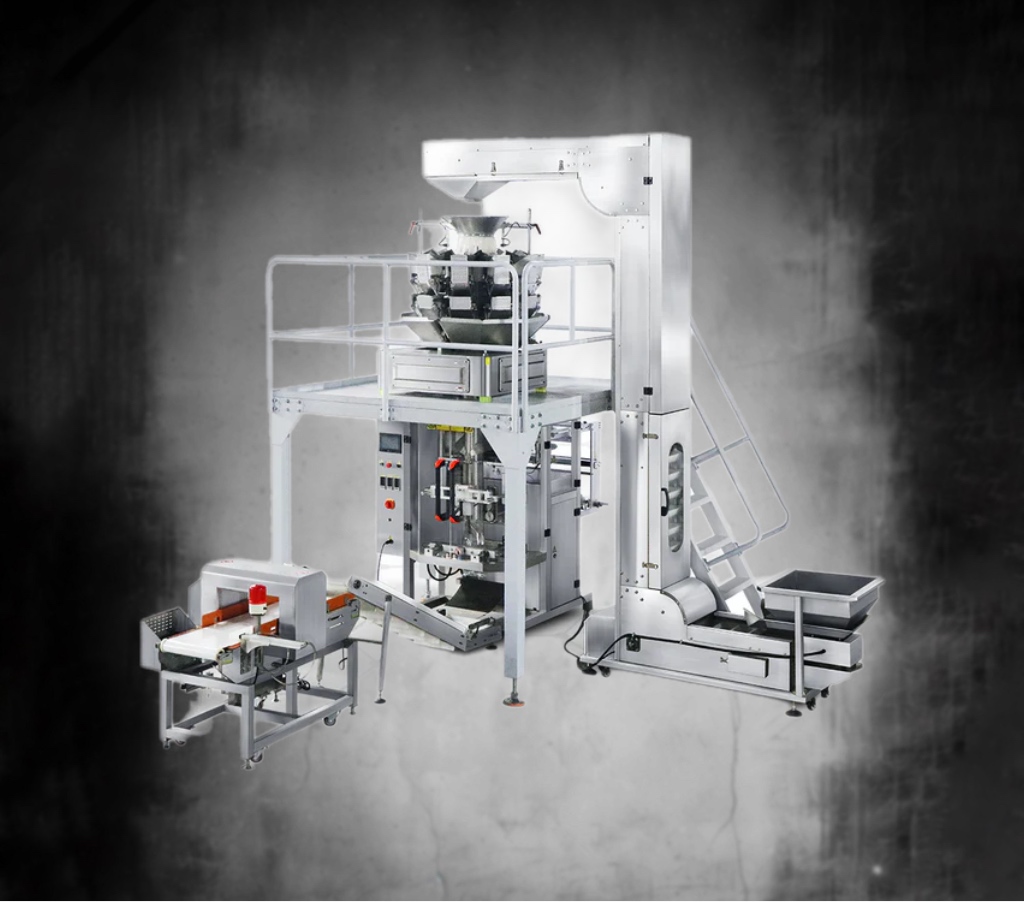
A stronger enquiry helps avoid the wrong filling principle, poor seal quality, unrealistic output assumptions and missing line-integration costs.
Send these details to make the machinery shortlist more accurate.
Product type, viscosity or flow behaviour, target weight or volume, accuracy expectation and any particulates.
Material, dimensions, seal style, gusset, zipper, spout, print mark and current pack samples.
Target bags per minute, shifts per day, current manual process, operators available and growth target.
Power, air, floor space, access, coding, checkweighing, conveyors and secondary packaging requirements.
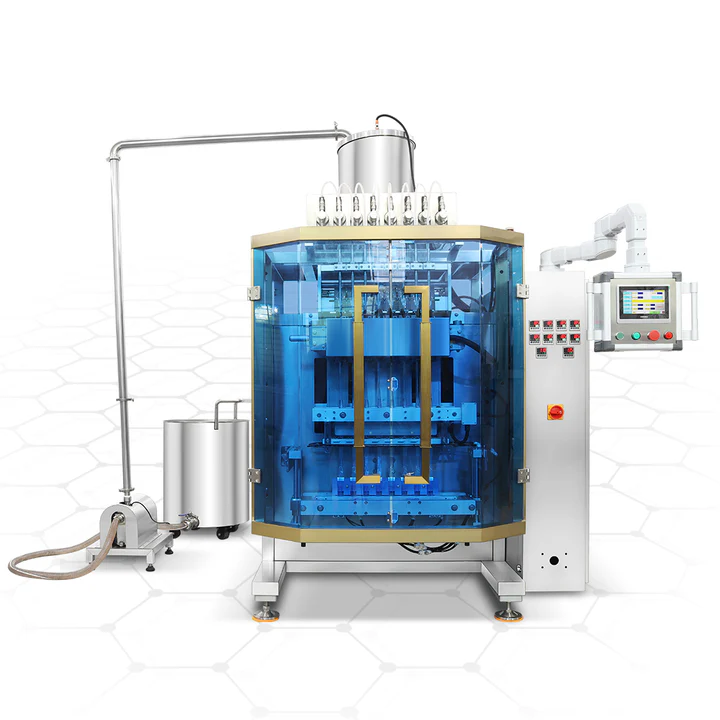
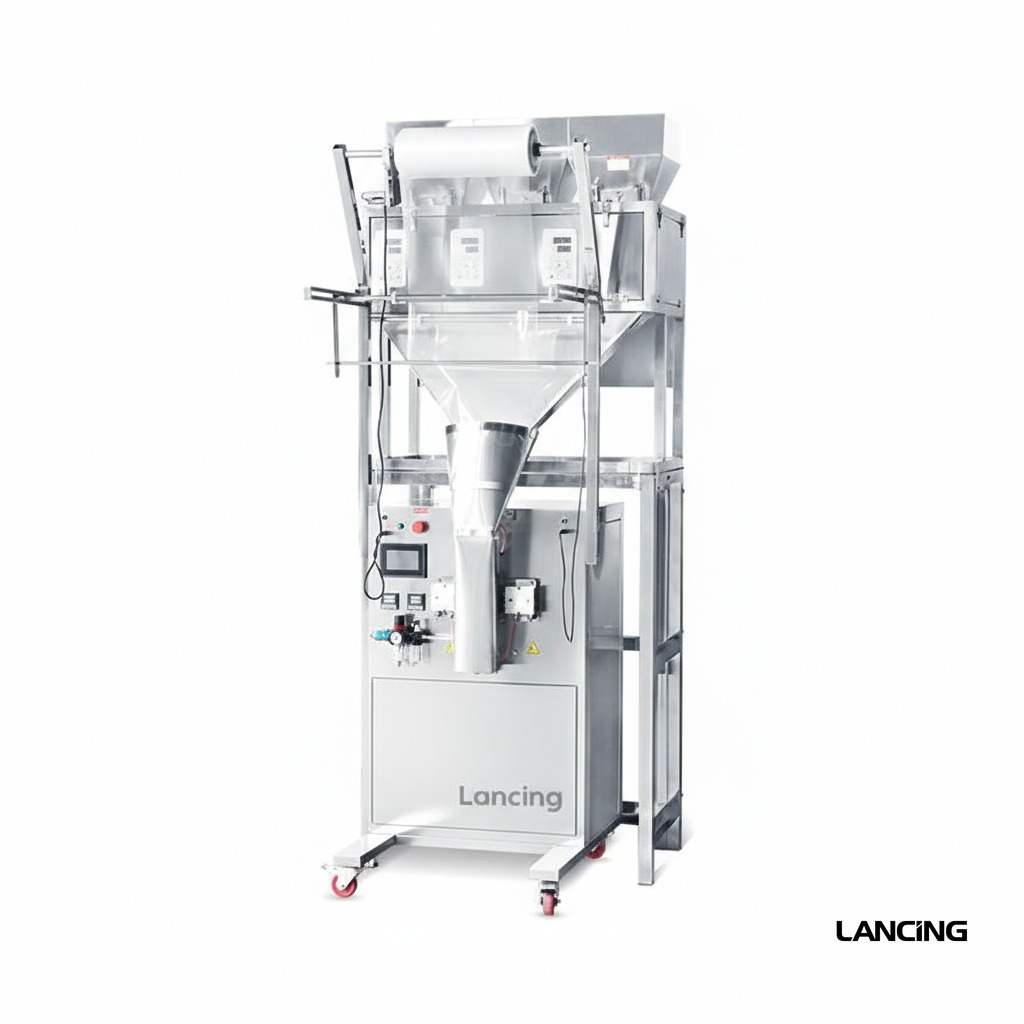
These issues often cause incorrect machine selection or under-scoped proposals.
Output depends on product behaviour, bag length, seal dwell, changeovers and downstream handling.
Powder dust, sauce tails or product splash can make sealing the true bottleneck.
A line that works for one pouch size may need change parts, settings and operator training for the wider range.
| Question | Premade pouch route | VFFS route |
|---|---|---|
| Pack format | Uses already formed pouches. | Forms bags from roll film. |
| Best when | Pouch presentation, zips, gussets or premium finished packs lead. | Roll-film cost, speed and continuous bagging matter. |
| Key risk | Pouch opening and seal alignment. | Film registration, forming and seal consistency. |
| Project data needed | Pouch samples and closure details. | Film specification, bag size and print registration. |
Include product behaviour, target fill, pouch dimensions and material, seal style, output target, utilities, cleaning/changeover expectations and downstream equipment.
For single-product high-volume lines, speed may lead. For contract packing and developing ranges, flexibility and changeover control usually matter more.
Samples allow the machine route to be checked against opening, filling, sealing and finished-pack presentation before a final specification is agreed.
We’ll help shortlist whether a premade pouch machine, VFFS bagger, auger, multihead weigher, piston pump or multi-channel liquid system is the practical route.
These pages target the exact searches customers use when they already know the pouch or product type.
These pages target the searches most likely to become machinery enquiries, with exact machine-route wording and crawlable internal links.
A useful quotation and trial depend on consistent source information. Keep the product, pouch or film, output, quality and site data together so every supplier is pricing the same requirement.
| Specification area | Minimum information | Evidence to attach |
|---|---|---|
| Product | Name, properties, density or viscosity, particles, dust, temperature, safety and cleaning needs. | Representative sample, data sheet and normal production variation. |
| Fill | Target weights or volumes, smallest and largest dose, permitted tolerance and checking method. | Approved target table and sampling plan. |
| Pouch or bag | Dimensions, opening, gusset, zipper, spout, seal style, laminate and artwork. | Dimensioned drawing, empty samples and finished reference packs. |
| Film for VFFS | Structure, thickness, width, repeat, registration mark, core and reel diameter. | Production-equivalent reel and film data sheet. |
| Output | Required saleable packs per minute or hour, shift pattern, batch size and planned changeovers. | Current production data and demand profile. |
| Quality | Fill checks, code verification, seal appearance, leak-test method, rejects and records. | Acceptance protocol and approved samples. |
| Site and line | Utilities, footprint, access, product feed, coding, inspection, conveyors and downstream packing. | Layout, photographs and site restrictions. |
Both routes can create professional flexible packs. The right choice depends on the pack design, material strategy, product, output, changeover and quality plan.
| Decision area | Premade pouch route | VFFS route |
|---|---|---|
| Pack supply | Finished pouches are loaded and individually handled. | Reel film is formed into bags inside the machine. |
| Format features | Useful where formed pouches, zippers, spouts or specialist shelf presentation are central. | Useful where the required bag can be made from the selected web, former and seal arrangement. |
| Primary setup | Magazine, guides, grippers, opening, filler and top seal. | Reel handling, tracking, registration, former, longitudinal seal, dosing and cross seal. |
| Material trial | Production-equivalent empty pouches with normal manufacturing tolerance. | Production-equivalent reel film with the intended print repeat and sealant layer. |
| Changeover | Pouch guides and handling geometry may change with size and features. | Forming sets, film, registration, seal settings and dose setup may change. |
| Acceptance | Opening success, fill placement, pouch support, top seal and appearance. | Tracking, dimensions, registration, longitudinal and cross seals, cut and appearance. |
State the representative product condition, pack materials, target settings, run sequence, sampling, measurement equipment, quality tests and how adjustments or stoppages will be recorded. This prevents a short demonstration from being mistaken for proof of sustained production.
Confirm the recipe, parts, pouch or film setup, code, product feed and first packs before the measured run begins.
Record fills, seals, codes, rejects, stops and interventions using the agreed sample frequency and normal production materials.
Where required, perform a representative change, clean or restart and record the steps needed to return to approved output.
Supply enough for setup, adjustment, a representative run and any planned format change. The amount depends on dose, speed and test duration, so agree it with Lancing before sending material.
Use production-equivalent printed material when registration, code position, artwork alignment or film behaviour matters. Plain material can help early development but may not prove the final pack.
State required saleable packs per minute or hour under defined conditions, not only the machine cycle. Include product, dose, pack, coding, inspection, batch size, replenishment and changeover assumptions.
Provide the code content, method, print area, line speed, laminate, required verification and connection to batch or production records. Trial the code after the pouch has been handled and sealed.
Use Form Fill & Seal for deeper reel-fed VFFS engineering, Sachet Filling Machines for specialist small sachet and multi-lane routes, Powder Fillers or Auger Fillers for wider dry-product dosing, and Liquid Fillers or Paste Fillers for rigid-container filling.
Attach the product, pack drawings, production-equivalent materials, output target, acceptance method and site information so the quotation can be based on a defined scope.
The buyer does not need to select every component before asking for a proposal, but the evidence below should be available or identified as a trial action.
Dimensions, tolerance, laminate, sealant, zipper, spout, gusset, reel data and production samples. See the pouch material and laminate guide.
Pickup datum, opening behaviour, gripper area, filled support and format matrix. See the opening and gripper guide.
Flow, density or viscosity, particles, dust/foam, temperature, dose range and replenishment. See the dosing selection guide.
Clean seal band, process window, visual criteria, strength or leak method and retained examples. See the seal-integrity guide.
Code content, position, verification, weight/detector checks, reject tracking and confirmation. See the coding and reject guide.
Alarm states, safe intervention, sample evidence, root-cause record and approved restart. See the troubleshooting guide.
Send the known information, identify the gaps and state which items must be confirmed by sample trial or site review.
A useful comparison puts each quotation against the same product, pack, line boundary and acceptance definition.
The machine name rarely defines product feed, change parts, coding, inspection, conveyors, guarding, utilities, trials, installation or training. One quotation may cover only the central filler while another includes the interfaces needed to produce accepted pouches.
Create a line-by-line scope matrix before comparing price. The quotation comparison guide provides a practical structure.
Name who supplies product feed, pouches or film, print data, utilities, extraction, conveyors, code equipment, inspection, reject handling, guarding interfaces and site services. Also assign who approves samples, software states and acceptance results.
Unassigned boundaries often become late changes because each party assumes another has included them.
State the tested product and packaging, dose range, quality checks, good-pack output, run condition, planned stops, reject rules and evidence to be retained. Separate development observations from contractual pass criteria so both parties understand what is being demonstrated.
The acceptance definition should be agreed before the main trial, not reconstructed after results are available.
List each future format as a separate unproven requirement unless representative samples and product data are available. Identify what is common, what needs change parts or recipes and what still requires a later trial.
Avoid describing an undefined future range as automatically covered by the first setup; that creates an unsupported expectation.
Send the application details, representative samples and required acceptance checks so Lancing can review the suitable pouch filling route.
Move the project forward only when the route, repeat setup and acceptance basis are clear enough for the next commitment. This keeps unresolved packaging or product questions from becoming late machine changes.
Confirm the representative product, dose, pouch or film construction, intended filled shape, target good-pack output and the interfaces around the filler. Use this evidence to choose premade pouch, Doypack or VFFS and the dosing principle.
Define how the approved format will be set again: change parts, recipe, reference samples, setup checks, first-off release and restart checks. Include the expected range of products and packs rather than one ideal format.
Write the trial, FAT and SAT sequence, quality checks, fault challenges, documentation, training and deviation process. State what will be tested in the factory and what depends on the production site.
Use the changeover guide, fill-zone guide and FAT/SAT guide to complete these decision gates.
These guides address machine layout, new pouch materials and hygienic changeover—three areas that can change scope after the main filling route has been selected.
Compare station sequence, space, access, dosing and line interfaces against one acceptance definition.
Open the layout guide →Test the final material for handling and sealing while keeping recycling-design evidence separate.
Open the material-transition guide →Map the product path, cleaning method, safe access, verification and release of the next job.
Open the hygiene guide →