
Piston liquid pouch filling machines for viscous products.
Piston filling is often considered for products that need controlled volumetric dosing, especially sauces, gels, creams, pastes and products with body. The nozzle, cut-off, tank, pump and seal area all affect the final pouch quality.
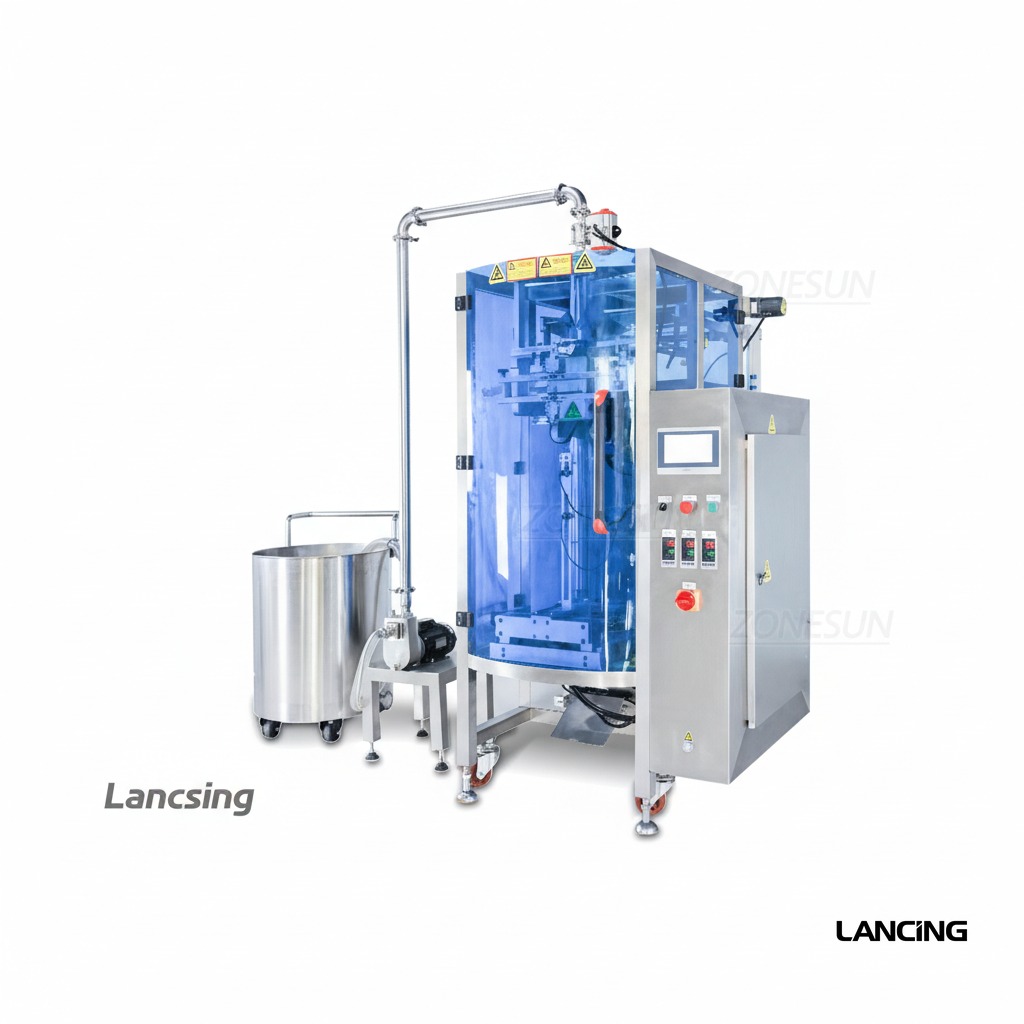
What to confirm before choosing this route.
These points help Lancing UK shortlist the correct pouch filling machinery instead of forcing the project into a generic product page.
- Sauce, gel, paste, cream and viscous liquid filling
- Nozzle cut-off and drip control
- Tank, pump and product feed selection
- Heat, particulates and cleaning considerations
Fast quote checklist.
Send product type, fill weight or volume, pouch dimensions, material, target output, current process, available space and whether coding, checkweighing or conveyors are required.
Related pouch filling machinery searches.
These linked pages help compare adjacent machine routes and give Google a clearer crawl path through the site.
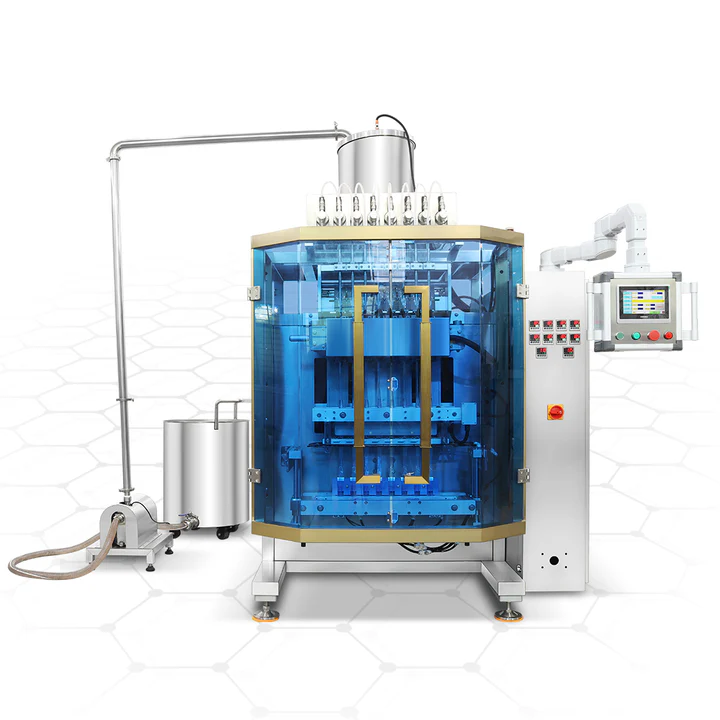
How the route is narrowed.
The practical shortlist is based on product behaviour, pouch or film format, output, seal quality and line integration rather than a generic machine name.
Check viscosity
Thin liquids, gels and pastes behave differently through pumps and nozzles.
Confirm particulates
Pieces in the product can affect valve, nozzle and cut-off choice.
Plan clean filling
Drips and stringing must be controlled before sealing the pouch.
Quick answers.
Can piston filling handle sauces with pieces?
It may be possible, but particle size, shape and concentration need checking before specifying valves and nozzles.
What affects liquid pouch seal quality?
Drips, foaming, temperature, pouch material and product on the seal area can all affect the finished seal.
Want this pouch filling route checked?
Send the product, pouch format and target output. Lancing UK will advise which machine route is practical.