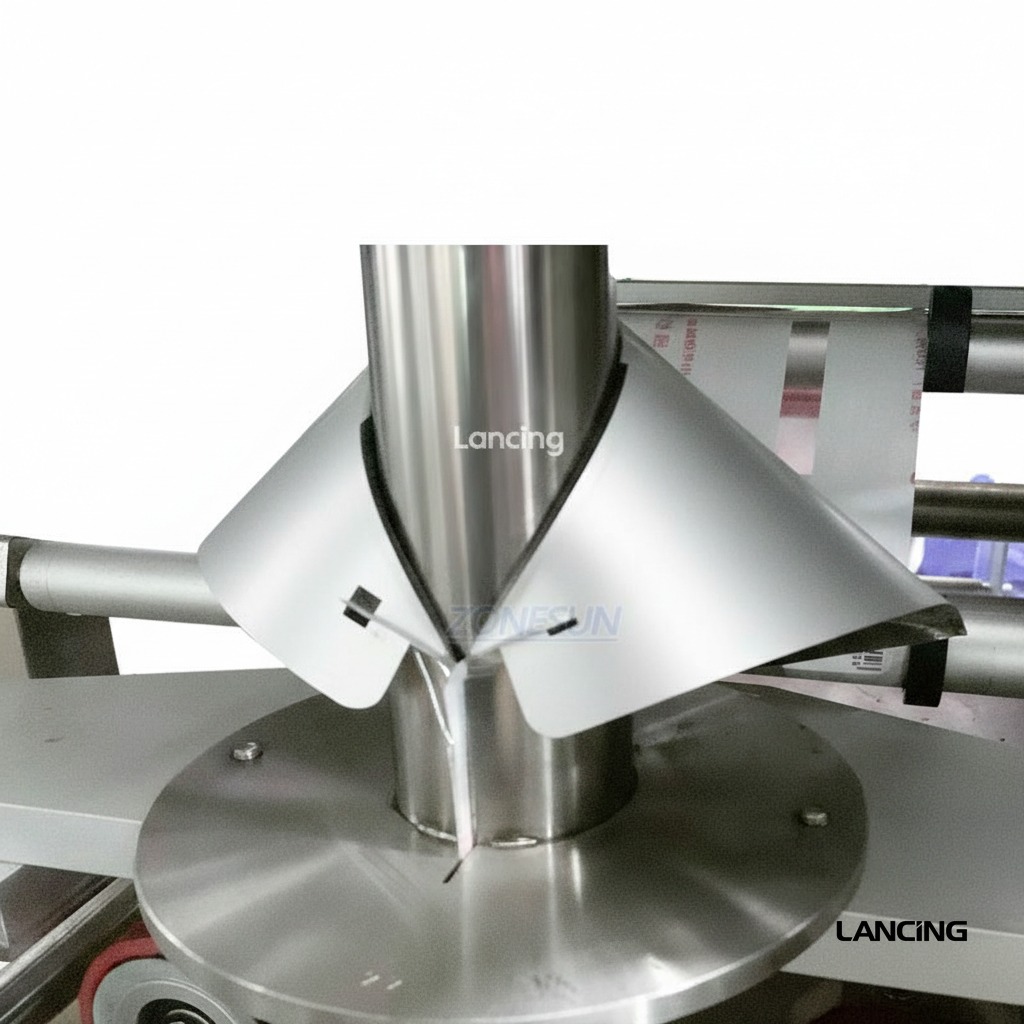
Automatic VFFS Auger Powder Filling Machine
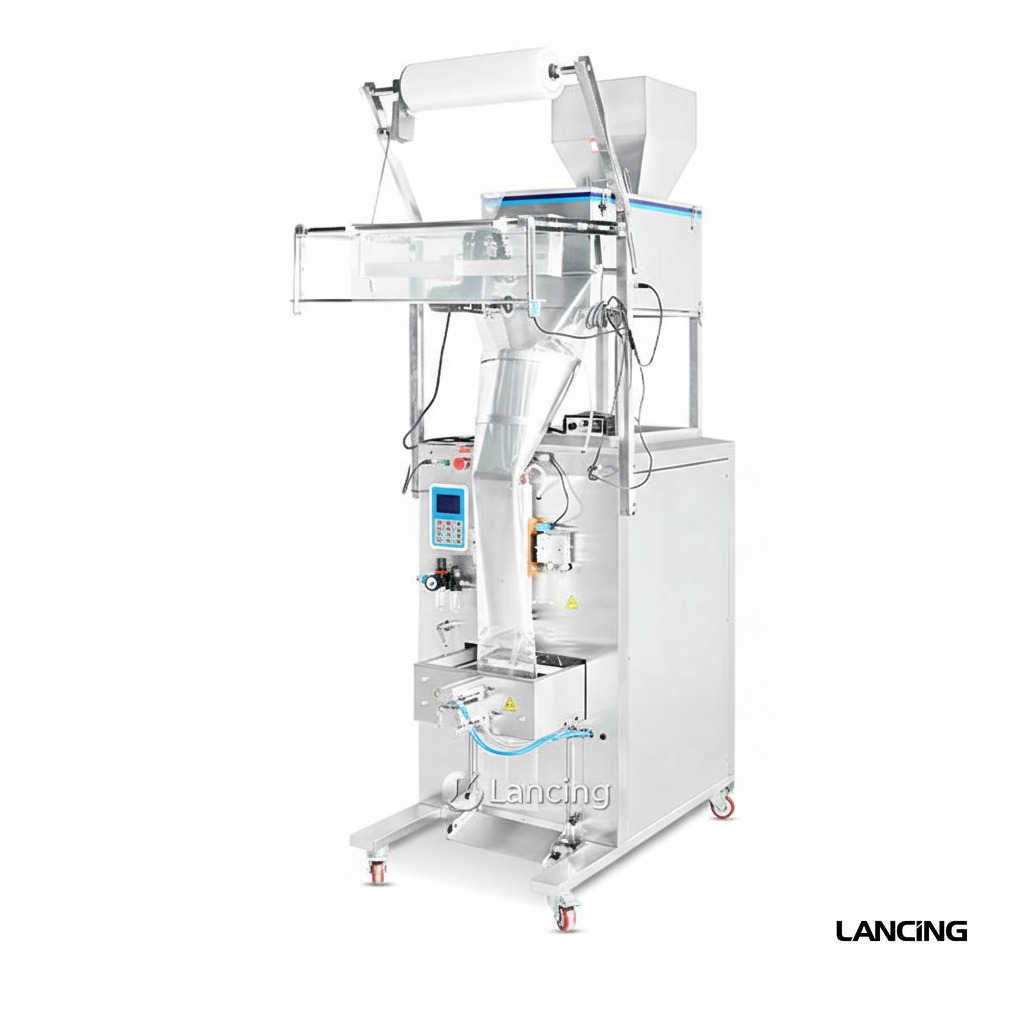
VFFS auger filling and sealing system built around powder behaviour, clean dosing and dust-control considerations.

Dry-product pouch filling depends on flow behaviour, dust, product size, target accuracy and the way the product reaches the pouch.
These details decide whether the selected pouch filling route will be reliable in production.


Example machinery routes using Lancing UK source media and published machine information.
VFFS auger filling and sealing system built around powder behaviour, clean dosing and dust-control considerations.
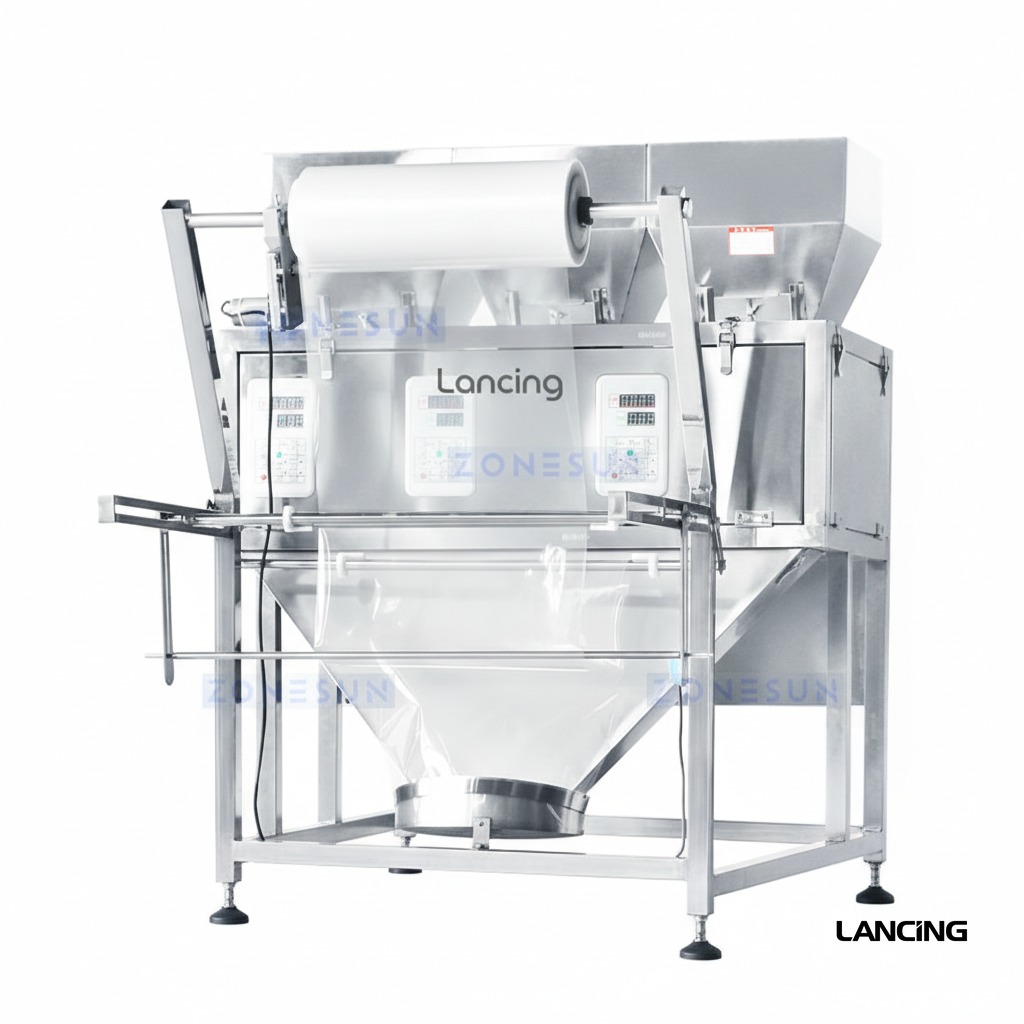
Automatic weighing, filling, heat sealing and cutting route for grains, nuts and other granule pouch formats.
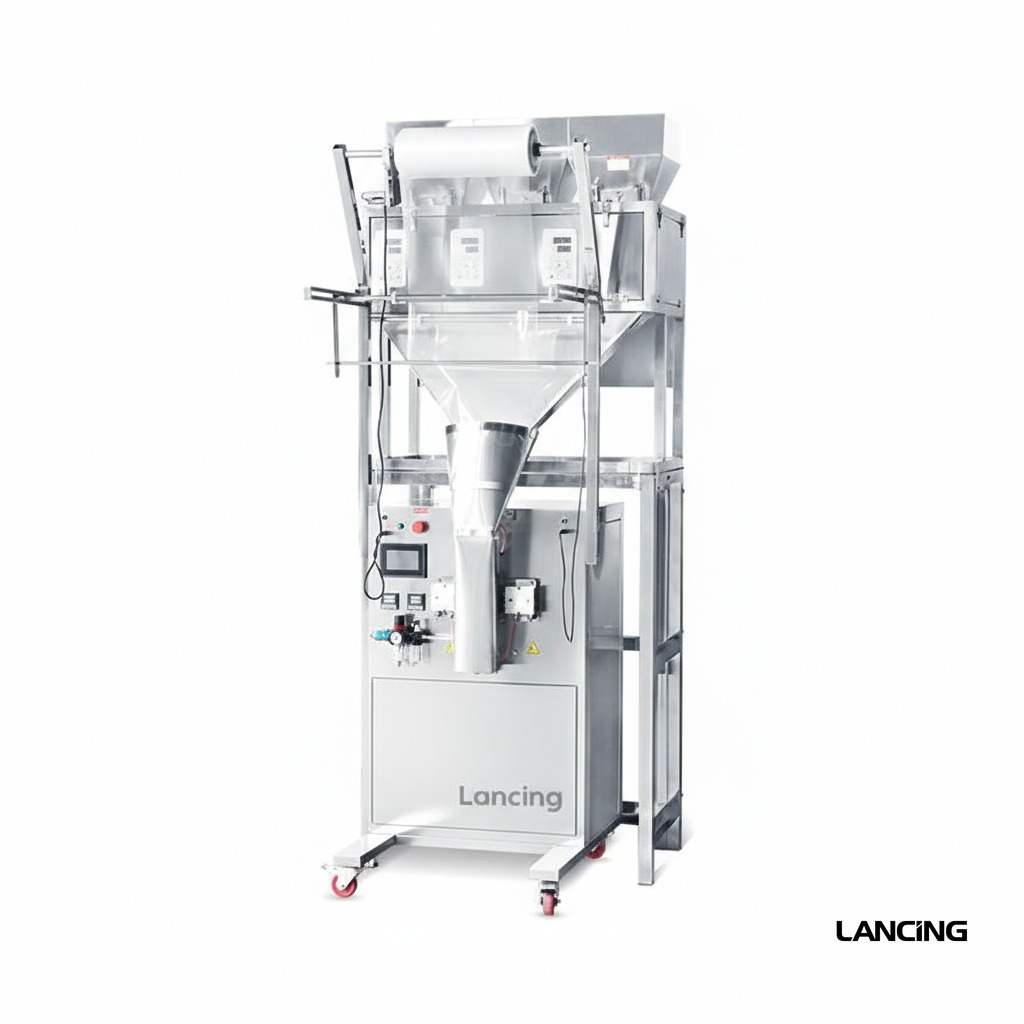
Multihead weighing and filling machine route for snack, rice, nut and coffee pouch projects with flexible sealing formats.
Better information normally gives a faster and more accurate machinery shortlist.
| Requirement | Why it matters | Example detail |
|---|---|---|
| Product behaviour | Controls the dosing method and clean cut-off route. | Powder, granule, thin liquid, viscous paste, particulates. |
| Pouch or film | Changes opening, sealing, registration and bag-forming requirements. | Dimensions, material, gusset, zipper, spout, seal width. |
| Output target | Determines automation level and line layout. | Bags per minute, shifts per day, manual steps to replace. |
| Line integration | Prevents bottlenecks after filling and sealing. | Coder, checkweigher, outfeed conveyor, secondary packaging. |
Many powders are best controlled with auger dosing, especially where flow and repeatability are important.
Multihead weighers can be useful for free-flowing granules where speed and weight accuracy are both priorities.
Dust or product contamination in the seal zone can reduce seal quality, so cut-off, timing and dust management matter.
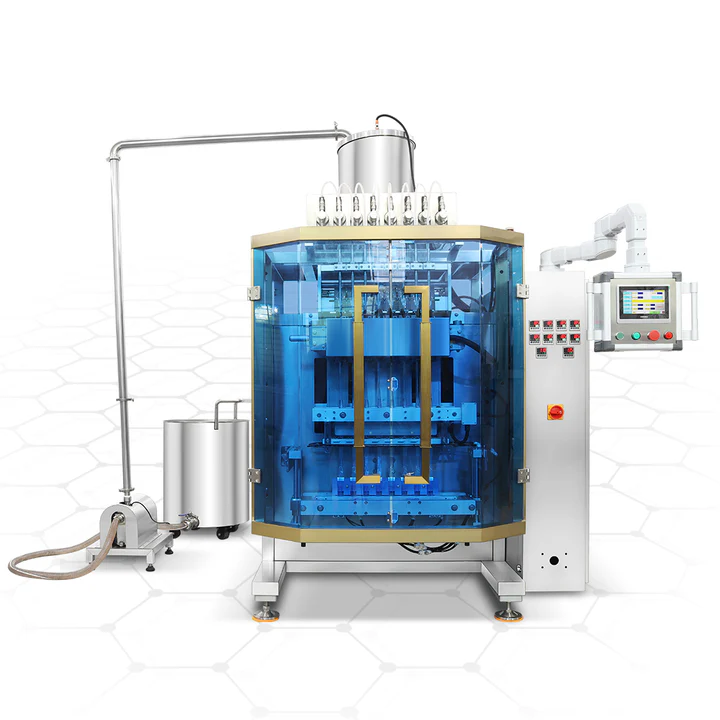
We’ll help shortlist whether a premade pouch machine, VFFS bagger, auger, multihead weigher, piston pump or multi-channel liquid system is the practical route.
“Powder” and “granule” cover very different products. Bulk density, particle size, flow, dust, static, fragility and settling determine whether an auger, linear weigher, multihead weigher or another method is the practical route.
| Dosing route | Usually reviewed for | Critical trial variables | Common boundary |
|---|---|---|---|
| Auger dosing | Powders and some fine products needing controlled screw metering. | Bulk density, hopper condition, agitation, screw selection, dust, compaction and refill consistency. | Density changes and poor feed consistency can alter dose performance. |
| Linear weighing | Free-flowing granules and pieces where weight control is suitable. | Product flow, piece size, feeder vibration, target weight, dribble control and pack opening. | Sticky, dusty or highly irregular products may not feed cleanly. |
| Multihead weighing | Suitable granules, snacks and pieces where combinations support speed and weight targets. | Piece distribution, fragility, target weight, drop height, timing and product bounce. | Large, fragile or sticky pieces may need different surfaces or a slower handling route. |
| Volumetric cup | Consistent free-flowing products where a repeatable volume can be established. | Density stability, cup setup, level control and product consistency. | Changing bulk density changes the relationship between volume and weight. |
Dry product can reach the seal area through dust clouds, bounce or a dose that has not cleared before the jaws close. The line may need controlled product feed, extraction or containment, settling time, anti-static review, a longer drop path or a different nozzle and bag-opening arrangement.
Seal acceptance should be assessed with the intended laminate and normal product conditions. Check continuous seal contact, wrinkles, embedded particles, code position and the agreed leak-test method. A nominal cycle rate is not useful if contamination reduces saleable output.
PouchFillers.co.uk covers the interaction between dry-product dosing and flexible-pack handling. For wider powder filling into jars, tubs, bottles and pouches, use Powder Fillers. For detailed screw selection, hopper behaviour and auger systems, use Auger Fillers. For reel-fed bag forming and seal engineering, use Form Fill & Seal.
No. Augers are common for controlled powder dosing, but the correct method depends on flow, density, dust, target dose and pack format. Some products may suit weighing, cup dosing or a specialist feed arrangement better.
Provide enough representative material for setup, adjustment and a sustained run. The sample should reflect normal variation in density, moisture, particle size and additives rather than a specially selected easy-flowing batch.
Agree the target, tolerance, sampling method, weighing equipment and product conditions before the run. Record hopper state, refill events, rejects and adjustments because they can influence the result.
The solution may involve controlled dosing, a suitable nozzle, dust extraction or containment, anti-static measures, product settling, timing changes and keeping the bag mouth open and stable. It must be proven with the actual product.
Describe allergen, cross-contamination and batch-change requirements; product-contact materials; cleaning method; access; removable parts; tools; and the expected frequency of product, dose and pouch changes.
Include density, particle size, dust behaviour, target weight, pouch or film data, output and cleaning requirements so the dosing and sealing route can be trialled together.
A dry-product filler can appear stable during a short run while the hopper condition is unchanged. A stronger trial follows the dose through normal product consumption, replenishment and recovery so the result reflects the way the machine will actually be operated.
| Trial condition | What to record | Why it matters |
|---|---|---|
| Initial full condition | Product batch, bulk-density observation, hopper level, feeder or agitator setup and the first approved fill checks. | Creates the reference condition for the measured run. |
| Normal running level | Grouped fill results, feeder behaviour, dust, product settling and any parameter adjustment. | Shows whether the dose remains repeatable as the product head changes. |
| Low-level condition | Low-level response, bridging or flooding signs, dosing time and fill checks before replenishment. | Confirms the operating boundary and the point at which refill is required. |
| Refill event | Refill quantity and method, disturbance, aeration, dust release, recovery time and post-refill checks. | Shows whether replenishment changes density, feed or saleable output. |
| Controlled stop and restart | Product left in the feed path, settling or compaction, restart sequence and the first accepted packs. | Confirms that a routine interruption does not create an unrecorded dose or seal-quality change. |
| Representative product variation | Normal batch, moisture, particle or density variation where supplied by the buyer. | Prevents acceptance being based only on a specially selected easy-running sample. |
Record dust clouds, bounce, product on the bag mouth and the time needed for the dose to clear the jaws. Fill results and seal results should use the same trial condition, because a faster dose is not useful if contamination reduces the number of saleable pouches.
Keep approved and failed pouch samples with the corresponding fill data, hopper condition and machine settings so later changes can be compared with the accepted process.
Identify which hoppers, screws, cups, feeders, chutes, contact surfaces and extraction parts are removed or cleaned in place. Record tools, access, inspection, reassembly and the first-off checks after restart. Where the enquiry is mainly about powder dosing rather than the pouch process, use Lancing Powder Fillers or Lancing Auger Fillers for the specialist route.
Send a representative dry-product brief Plan the measured trial
A short run from a full hopper may hide the effects of refill, low product level, settling, aeration, segregation, bridging, dust and restart. The trial should show whether the dosing route remains controlled through the normal production cycle.
| Observed behaviour | Questions for the trial | Possible machine implications |
|---|---|---|
| Free-flowing, consistent granules | Does bulk density remain stable? Are pieces fragile or prone to bounce? | Weighing or volumetric options, controlled discharge height and gentle transfer. |
| Fine or dusty powder | Does product aerate, compact, smear or escape during cut-off? | Auger/feed design, hopper agitation where justified, extraction strategy and seal-area protection. |
| Non-free-flowing powder | Does it bridge, rat-hole or form variable plugs? | Conditioning and feed design, controlled hopper level and a product-specific auger trial. |
| Mixed particle sizes | Does transport or vibration segregate the blend? | Shorter product path, controlled replenishment and sampling across the batch. |
| Fragile pieces | Where does breakage occur: feed, weighing, chute, seal or discharge? | Gentle feed, lower drops, larger clearances and finished-pack inspection. |
Record individual fill results, product loss, dust, seal contamination, rejected packs and interventions. A stable weight result is not enough if the pack is dusty, damaged or poorly sealed.
Run through product top-up and low-level conditions. Note whether the feed system changes density, introduces air or creates a temporary surge that affects dosing.
Keep approved and failed pouches from start-up, steady operation, refill and restart. Link each sample to the settings and product condition at the time.
Compare the product against the pouch dosing-system guide. Use the troubleshooting matrix when fill variation, dust or seal contamination appears.
Dry-product filling should be assessed through the changes in hopper level, bulk density, aeration, dust and replenishment that occur during real production.
Changing hopper level can alter product head, compaction and the way material reaches the dosing element. The effect depends on whether the product flows freely, bridges, aerates or compacts, and on how the feed and level-control system is arranged.
Measure doses at different hopper levels and through replenishment instead of accepting only results from a freshly filled hopper.
Aeration changes apparent bulk density and can make a volumetric dose occupy more space or settle after filling. It can also increase dust, delay settling below the seal and create different results immediately after transfer compared with steady production.
Use representative transfer and refill conditions, then record both dose and finished-pouch behaviour.
Compare accepted dose results immediately before, during and after a normal refill while recording hopper level and feeder state. A stable average alone can hide a short sequence of high or low packs caused by replenishment.
The refill system should be included in the trial because it is part of the dosing process, not treated as an unrelated utility.
Include it when airborne or slow-settling product can contaminate the seal, obscure sensors or continue moving after the nominal dose is complete. Extraction, controlled chute design or a settling pause may protect quality but can also influence saleable output.
Assess the complete fill-to-seal sequence and link dosing evidence to seal inspection. Continue with the dosing-system selection guide.
Send the application details, representative samples and required acceptance checks so Lancing can review the suitable pouch filling route.
Dry-product fill level depends on more than dose weight. Bulk density, aeration, particle shape, dust, product fall and settling can change the occupied volume and the time needed before the seal jaws close. The real product and pouch should define the usable fill zone.
| Product behaviour | Possible pouch-line effect | Evidence to collect |
|---|---|---|
| Low bulk density or aerated powder | High initial fill level and slower settlement. | Occupied volume immediately after dosing and before sealing. |
| Dust release | Contamination near the mouth or seal band. | Dust pattern, extraction or containment need and seal inspection. |
| Fragile or irregular granules | Bridging, bounce, pieces in the seal or breakage. | Product path observation, breakage check and clean seal clearance. |
| Variable bulk density during refill | Changed dose volume and pouch presentation. | Fill results before, during and after replenishment. |
| Large dose relative to pouch volume | Limited settling space, distorted pack or slower sealing sequence. | Filled shape, headspace and saleable output under normal running. |
Use the pouch headspace and seal-zone guide with the existing dosing-system selection guide.
No. Fill weight must be considered with bulk density, aeration, particle shape, desired filled presentation and the clean seal area. The same weight can occupy different volumes across products or batches, so trial the actual material and intended pouch.
A settling step may be needed when the dose remains high in the mouth, traps air, bounces into the seal band or produces an unstable filled shape. The method and time should be established by trials and included when calculating good-pack output.
Separate dose trajectory, dust release, pouch movement, static, headspace, timing and extraction effects. Do not compensate only by increasing seal temperature; first remove the cause of contamination and then confirm the seal process against clean samples.
Refill can change product aeration, hopper level, bulk density and dose behaviour. A pouch that is stable before refill may present a different occupied volume or dust pattern afterwards. Include replenishment in the trial sequence.