
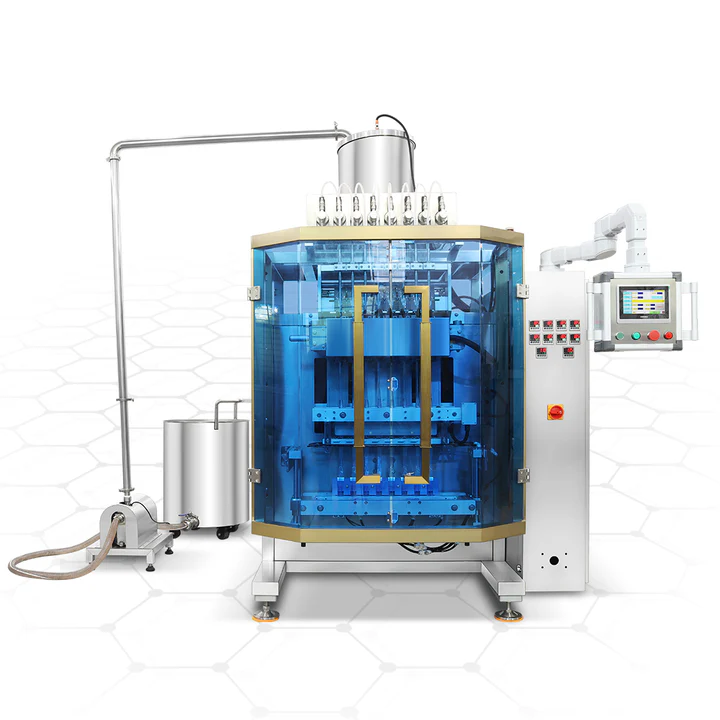
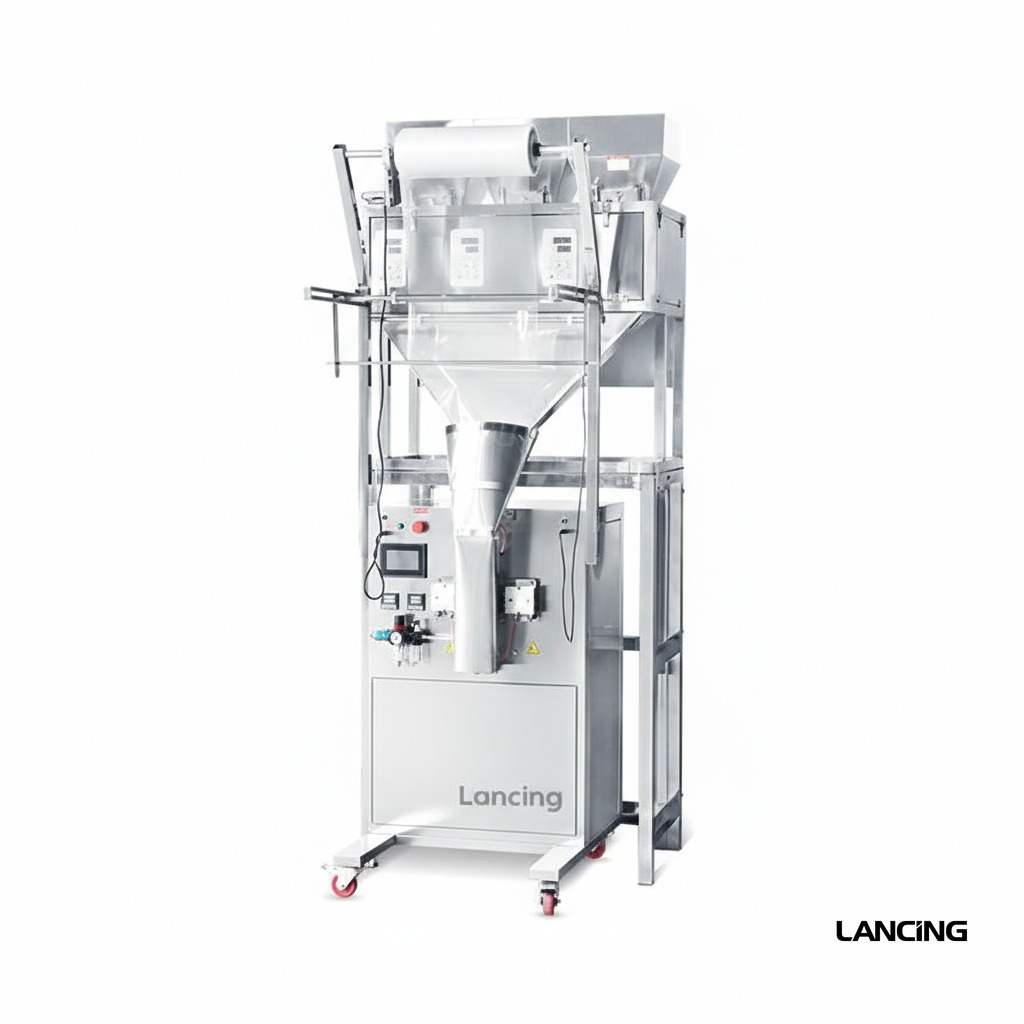

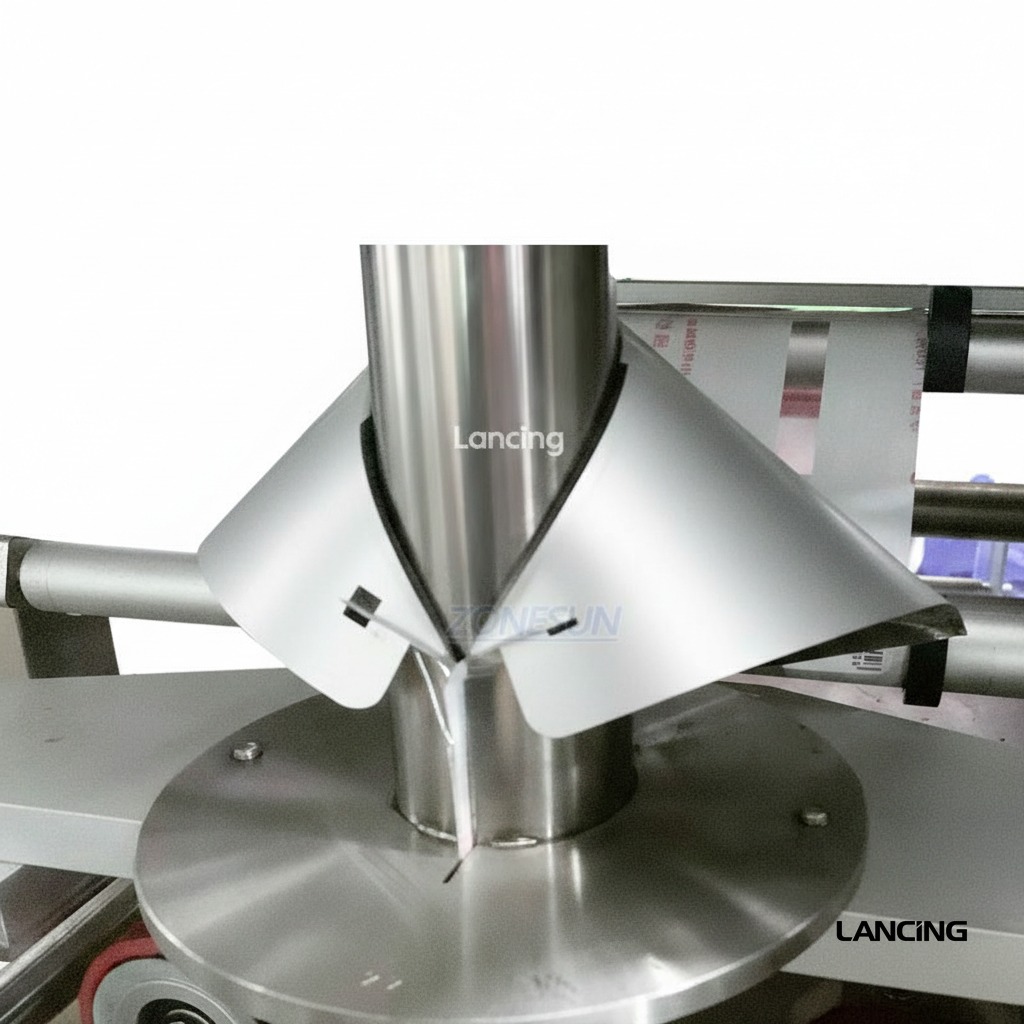
Automatic Pouch Granule Bag Weighing Filling Sealing Machine
Compact pouch weighing, filling and sealing route for granules and free-flowing products where a neat finished bag is required.

Premade pouch projects are led by pouch opening, product cut-off, seal cleanliness and finished-pack presentation.
These details decide whether the selected pouch filling route will be reliable in production.


Example machinery routes using Lancing UK source media and published machine information.
Compact pouch weighing, filling and sealing route for granules and free-flowing products where a neat finished bag is required.
Better information normally gives a faster and more accurate machinery shortlist.
| Requirement | Why it matters | Example detail |
|---|---|---|
| Product behaviour | Controls the dosing method and clean cut-off route. | Powder, granule, thin liquid, viscous paste, particulates. |
| Pouch or film | Changes opening, sealing, registration and bag-forming requirements. | Dimensions, material, gusset, zipper, spout, seal width. |
| Output target | Determines automation level and line layout. | Bags per minute, shifts per day, manual steps to replace. |
| Line integration | Prevents bottlenecks after filling and sealing. | Coder, checkweigher, outfeed conveyor, secondary packaging. |
It is usually the right route when the pack is already formed and the line needs reliable opening, filling and sealing rather than forming the bag from film.
Supply filled and empty pouches, pouch drawings, material details, target fill weights and current process notes.
Yes. Discharge conveyors, coding, checkweighing and secondary packing can be planned around the pouch machine.
We’ll help shortlist whether a premade pouch machine, VFFS bagger, auger, multihead weigher, piston pump or multi-channel liquid system is the practical route.
A premade pouch machine must control a flexible pack through feeding, gripping, opening, filling and sealing. Small differences between sample pouches and production pouches can change how consistently that cycle works.
Confirm overall width and height, usable mouth opening, material stiffness, bottom gusset, side gusset, zipper location, tear notch, spout position and the area available for gripping. Opening checks should prove that both faces separate before the dose is released.
The filler must discharge through the available opening without touching the zipper, spout or seal area. Powder dust, granule bounce, product strings, sauce tails and trapped air may require a different nozzle, settling step or fill sequence.
Supply the laminate structure and sealant layer so jaw temperature, pressure and dwell can be set against real material. The filled pouch should remain supported and square while the top seal is made, especially where product weight can pull on the grippers.
Frequent format changes require defined guide, magazine, gripper, opening, filler and jaw adjustments. Product-contact parts, hoppers, nozzles and surrounding guards should be reviewed for the intended cleaning method and acceptable changeover procedure.
Use production drawings and physical samples wherever possible. Nominal sales dimensions alone may not describe the opening, seal and gripping tolerances that matter to the machine.
| Information | Why it matters | Useful evidence |
|---|---|---|
| Pouch dimensions and opening | Sets magazine, guide, gripper, opening and nozzle clearances. | Dimensioned drawing plus flat and opened samples. |
| Laminate and sealant layer | Controls seal temperature, dwell, pressure and cooling response. | Supplier data sheet and production-equivalent pouches. |
| Zipper, spout and gusset | Changes handling geometry, fill path, orientation and top-seal area. | Feature positions measured from fixed pouch edges. |
| Product and dose | Determines filler, nozzle, settling, dust or cut-off control. | Representative product and target tolerance. |
| Coding and inspection | Needs a stable print area and space for sensors or rejects. | Approved artwork showing the code zone and quality checks. |
| Finished-pouch acceptance | Defines what a saleable pouch looks like. | Fill method, seal test, code check and visual criteria. |
A zipper reduces the clear opening and can be contaminated by product if the fill path is not controlled. A spout can alter pouch balance and may require orientation, support or a dedicated filling connection. Neither feature should be treated as a simple label on a standard pouch.
For very small sachets or multi-lane formats, use the dedicated guidance at Sachet Filling Machines. For specialist rigid-container liquid and paste filling, use Liquid Fillers or Paste Fillers. This site remains focused on pouch handling, filling and sealing.
Potentially, but the required range must be checked against the magazine, guides, grippers, opening system, filling nozzle and seal jaws. Each size may need parts, settings and a documented first-off approval.
Yes where the machine is configured for the zipper position and reduced opening. Product must be kept away from the zipper and top seal, and the pouch must open consistently before the dose is released.
Send the filled and empty pouch, a dimensioned drawing, spout position and type, cap or closure details, required orientation, product properties, dose and target output. The filling connection and support method need to be confirmed.
Agree the laminate, clean seal area, jaw settings and an integrity test suitable for the pack. Review seal continuity, wrinkles, product contamination, code interference and the effect of pouch weight or trapped air.
VFFS may be the better route when the product suits reel-fed bag forming, volumes justify the film system and the required pack can be made by the selected former and seal arrangement. Compare the total pack, changeover and material strategy rather than machine speed alone.
Include the pouch drawing, laminate, zipper or spout position, product sample, dose, target output and finished-seal acceptance so the opening, filling and sealing cycle can be checked as one process.
Premade pouches vary within normal manufacture and storage. A useful trial therefore checks a representative sample set, including normal differences in flatness, static, opening behaviour and feature position, instead of proving the machine with a single carefully selected pouch.
| Handling stage | Details to record | What the evidence should show |
|---|---|---|
| Magazine and pick-up | Pouch orientation, stack height, surface friction, static, curl and replenishment method. | Pouches separate consistently without double picks, missed picks or damage to zippers and spouts. |
| Opening | Usable mouth opening, zipper position, air or mechanical opening method and detection requirement. | Both pouch faces separate and the opening remains clear before the dose is released. |
| Gripping and support | Grip zone, gusset, spout, pouch stiffness, filled weight and support through transfer. | The pouch remains square and controlled without marking a critical seal or presentation area. |
| Filling clearance | Nozzle or chute dimensions, insertion depth, product drop, fill level and required headspace. | Product enters the pouch without contacting the zipper, spout or top-seal faces. |
| Settling and top seal | Product settling time, trapped air, seal width, laminate and support under the filled pouch. | The seal area is clean, aligned and presented to the jaws under repeatable conditions. |
| Discharge | Finished pouch stability, cooling need, conveyor or collection method and code inspection. | The completed pack leaves the machine without stressing a warm seal or obscuring the approved code zone. |
For each approved pouch, record magazine guides, pick-up settings, gripper positions, opening setup, nozzle or chute, seal-jaw settings, code position, sensor positions and the first-off quality checks. The release sheet should identify any dedicated parts and the sample pouch used to approve the format.
A change is complete only after the first filled pouch passes the agreed dose, appearance, code and seal checks. This is particularly important where a zipper reduces the opening or a spout changes pouch balance.
Include pouches from the intended supplier and production construction, not only a plain mock-up. Where more than one size is required, send the smallest and largest plus any format with a different zipper, spout, gusset or laminate. Identify tolerances that are critical to the opening, gripping and sealing cycle.
Use the Doypack filling guide, zipper pouch guidance and spouted pouch guidance to prepare the feature-specific information.
Reliable premade-pouch operation depends on the interaction between the magazine, pickup, opening device, grippers, product chute or nozzle and the top-seal area. The trial should include normal variation from the pouch supplier rather than only hand-selected examples.
Check pouch flatness, surface friction, static, curl, zipper bulk and how consistently the leading edge presents. Double picks, missed picks or skewed presentation should be recorded with the pouch batch and setup condition.
Confirm that the mouth opens fully without distorting the gusset, zipper or spout. Grippers need a repeatable datum and enough holding force for the fill, but should not mark, puncture or pull the laminate out of square.
The product path must clear the zipper and seal band. Dust, strings, droplets or protruding particles can prevent a continuous seal. Filled-pouch support may also be needed so product weight does not pull the pack down during sealing.
| Format feature | Evidence to send | Trial focus |
|---|---|---|
| Zipper | Closed and opened samples, zipper height, top trim and usable opening. | Opening without damage, product clearance and clean final seal above the zipper. |
| Bottom or side gusset | Fold dimensions and filled reference pack. | Stable opening, product distribution and finished-pack presentation. |
| Spout | Spout position, cap state, neck geometry and pouch stiffness. | Presentation, gripping, nozzle access, fill cut-off and pack support. |
| Shaped pouch | Outline drawing and tolerance at pickup and gripper datums. | Magazine separation, reliable location and clearance through every station. |
Prepare the format matrix with the pouch opening and gripper guide, then confirm the material and sealant information in the pouch laminate guide. Finished packs should be checked using the seal and leak-testing plan.
Premade pouch performance depends on repeatable presentation of a manufactured pack, so normal pouch variation must be included in selection and trials.
Separation becomes difficult when adjacent pouches cling, distort or present inconsistent pickup surfaces. Static, surface friction, trapped air, zipper or spout bulk, curled edges, variable top seals and poor stacking can cause double picks, missed picks or skewed presentation.
Use pouches from normal production, in the way they will be supplied to the line, and record the failure mode rather than only the successful average.
Nominal width and height do not describe stiffness, friction, opening force, feature position or manufacturing tolerance. Different laminate structures, coatings, zipper profiles, gussets and seal geometry can change how a pouch leaves the magazine, enters the grippers and opens for filling.
Treat a supplier or material change as a new packaging condition until the affected handling and sealing checks are repeated.
Measure the proportion of pouches that are positively opened and correctly held before filling across a representative run. Include start-up, restart, magazine replenishment and normal pouch variation, then classify each failure as pickup, opening, detection, grip or format-related.
A single successful pouch is not evidence of a stable handling window. The opening and gripper guide lists the observations to retain.
The fault should be detected before dosing, with product inhibited and the pouch removed or transferred through a defined no-fill route. If opening status is uncertain, the pack should not receive product or be counted as good output.
The recovery sequence should prevent the next pouch from inheriting the fault and should preserve reject traceability. See automatic-filling pouch suitability.
Send the application details, representative samples and required acceptance checks so Lancing can review the suitable pouch filling route.
A format change is more than moving the magazine guides. It can alter the pickup datum, opening window, gripper width, filler entry, product settlement, top-seal position, coding location and discharge behaviour. Record the adjustment and the first-off evidence for each element.
| Change element | Setup to confirm | First-off evidence |
|---|---|---|
| Pouch width, height and tolerance | Magazine, pickup, guide and gripper settings. | Single pickup, square transfer and consistent grip position. |
| Zipper, spout or gusset | Opening depth, nozzle clearance and feature support. | Undamaged feature, open mouth and correct filled presentation. |
| Product and dose | Filler recipe, feed, chute or nozzle and settling step. | Measured dose with product kept below the seal band. |
| Top seal | Jaw recipe, alignment, pressure path and cooling where applicable. | Clean, aligned seal that passes the agreed check. |
| Code and inspection | Artwork, position, sensor and reject recipe. | Readable code, detected challenge and confirmed reject path. |
The pouch filling changeover validation guide sets out the complete approval sequence. For filled-pouch clearance, use the headspace and seal-zone guide.
Not necessarily, but every format needs a confirmed adjustment range and first-off check. A shared gripper or guide may cover several sizes while a different zipper, spout, gusset or mouth depth can require a specific part or setup.
Yes, where the machine procedure permits it, an empty-pouch cycle can confirm pickup, opening, grip, transfer, seal alignment and discharge before product complicates fault finding. Product trials are still required to prove fill and seal performance.
Retain the recipe reference, change-part list, setup checks, approved empty and filled pouches, measured results, seal evidence, code sample and any accepted limitations. These become the baseline for the next repeat setup.