
Premade pouch fillers
For already formed pouches requiring opening, filling and sealing.
View route →Budget planning for pouch filling machinery should start with product behaviour, pouch format, output target and line integration. The cheapest machine is rarely the lowest-cost route if it cannot dose cleanly, seal reliably or fit the current workflow.
These details help avoid quoting the wrong machine and make the enquiry more useful for production planning.
Send product type, fill weight or volume, pouch dimensions, target output, current process, site utilities and whether coding, checkweighing or conveyors are required.
Compare the machine routes most often connected with this search.
For already formed pouches requiring opening, filling and sealing.
View route →For roll-film bagging where the machine forms, fills and seals the pack.
View route →For auger, weigh-head, multihead and dry-product dosing routes.
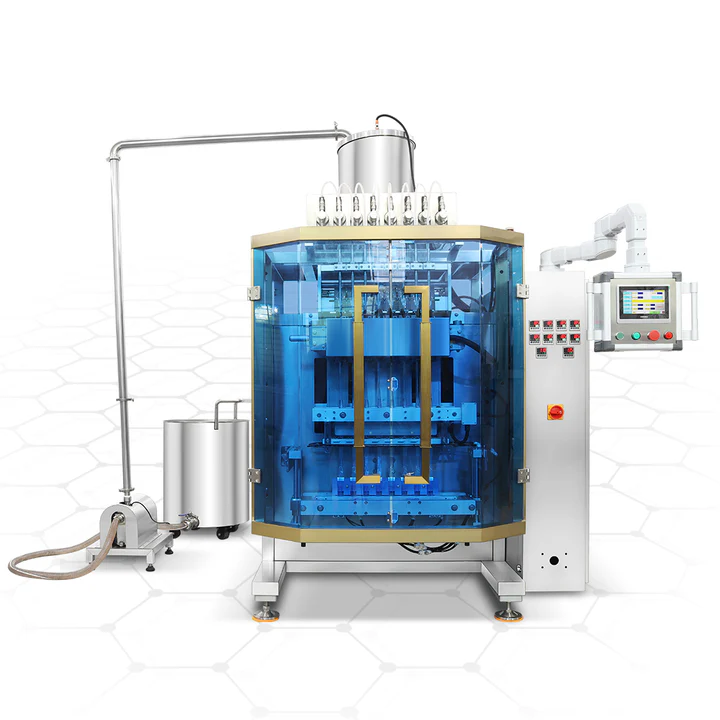
View route →For pump-fed sauce, oil, gel, cosmetic and chemical pouch projects.
View route →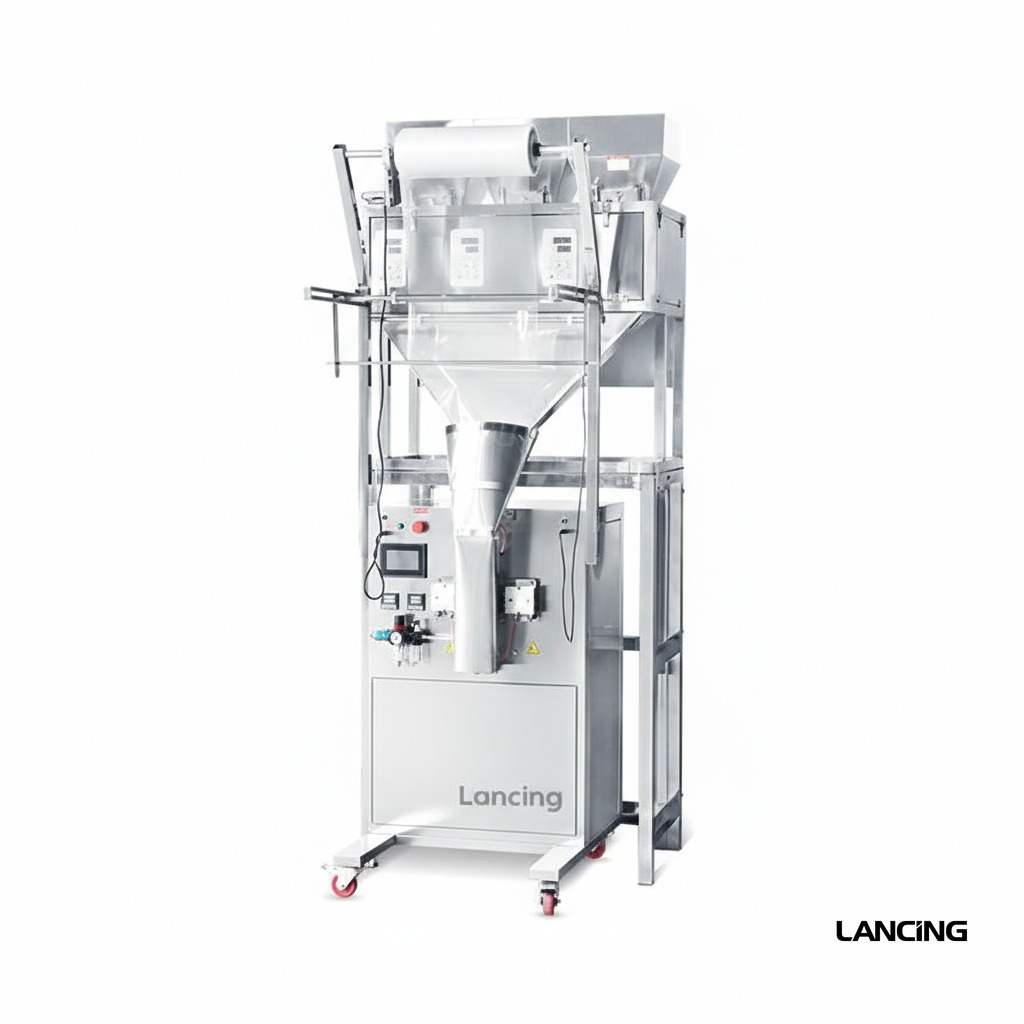
The practical shortlist is based on product behaviour, pouch or film format, target output, seal quality and line integration rather than a generic product catalogue.
Send pouch size, fill weight or volume, seal style, material, zipper/spout requirements and target output.
Powder, granule, liquid and paste applications normally need different dosing equipment, so the route must be matched before price is meaningful.
Include coding, checkweighing, conveyors, reject handling, guarding, tanks, pumps and commissioning where required.
Usually not accurately. A reliable price needs the product behaviour, pouch dimensions, target fill weight, output target and line scope.
Higher output, multi-lane or multi-channel filling, difficult powders, viscous products, checkweighing, coding, conveyors and bespoke integration all affect price.
Send the product, pouch format and target output. Lancing UK will advise which filling route is practical.
A meaningful pouch filling machine quotation needs the same product, pack, output and acceptance basis for every option. A headline machine price cannot show whether dosing, product feed, coding, inspection, conveyors, change parts, trials, installation or support are included.
| Scope driver | Why it changes the quotation | Information to provide |
|---|---|---|
| Premade pouch or VFFS | Requires different pouch/film handling, opening/forming and sealing equipment. | Finished pack drawing, samples and expected material strategy. |
| Dosing method | Auger, weighing and pump systems have different product-feed, controls and product-contact scope. | Representative product, dose range, tolerance and behaviour. |
| Pack range | Multiple sizes, zippers, spouts, formers or seal styles may need change parts and additional trials. | Complete current and future format matrix. |
| Output and automation | Higher sustained output can require more lanes, heads, product feed, guarding, conveyors and controls. | Saleable output under defined production conditions. |
| Coding and inspection | Printers, checkweighers, detectors, cameras, rejects and validation add equipment and integration. | Quality plan, code content and reject requirement. |
| Installation and aftercare | Site work, commissioning, training, documentation, spares and service scope vary by project. | Location, utilities, access, responsibilities and support expectation. |
Check whether a quotation includes product feed, filler, pouch or film handling, sealing, coding, inspection, rejects, discharge, guarding, controls, change parts, trials, delivery, installation, commissioning, training and spare parts. Exclusions should be written clearly.
Ask for the stated output to be tied to product, dose, pack, quality checks and line interfaces. A faster reference speed is not better value if the configuration cannot produce the required saleable pouch consistently.
The final scope changes with product dosing, pack handling, output, materials, coding, inspection, changeovers, integration and site support. A useful price needs a defined application.
Send one controlled brief containing the product, samples, pouch or film drawings, dose, tolerance, saleable output, quality checks, line layout and requested delivery/support scope.
Yes where multiple formats are required. List every product and pack so dedicated formers, guides, grippers, screws, nozzles, jaws or recipes can be identified and priced.
Agree the trial location, product and packaging quantities, setup, test plan, travel if applicable, disposal or return of materials and what evidence will be supplied.
State the product, pack, target settings, measurement method, saleable output, seal and leak checks, coding, rejects, run conditions and any agreed changeover demonstration.
Send the complete project brief so Lancing can compare practical configurations and state what is included.
A comparable quotation states what is included, what has been tested and which assumptions remain open. The same machine label can describe very different scopes once product feed, pouch handling, coding, inspection, changeovers and site work are included.
| Cost driver | Evidence that reduces uncertainty | Typical scope effect |
|---|---|---|
| Product and dosing | Representative sample, dose range, density/viscosity, particles, dust/foam and cleaning brief. | Filler, hopper/tank, feeder, nozzle/chute, controls and product-contact parts. |
| Pouch or film formats | Drawings, samples, material construction, tolerance and format matrix. | Magazine/former, grippers/guides, seal jaws, sensors and change parts. |
| Quality controls | Code requirement, fill verification, detector/checkweigher, integrity method and reject logic. | Printers, inspection devices, conveyors, reject systems, tracking and records. |
| Line integration | Layout, interfaces, available utilities, upstream feed and downstream packing. | Conveyors, tables, accumulation, guarding, control signals and site work. |
| Acceptance and support | Trial protocol, FAT/SAT boundary, training, documentation, spares and service scope. | Project engineering, test materials, visits, handover and lifecycle support. |
Prepare packaging data with the pouch material guide, dosing data with the dosing guide and inspection scope with the coding and reject guide. Attach the results to the pouch filler specification checklist.
A useful quotation shows which equipment, interfaces, tests, documentation and site activities are included, optional or excluded. That makes supplier comparisons clearer and reduces the risk of late additions after the pouch, product or line sequence is fully understood.
| Scope driver | Evidence that clarifies the quotation | Risk if left open |
|---|---|---|
| Pouch and film range | Format matrix, drawings, samples, supplier tolerances and intended filled shapes. | Unplanned change parts, handling changes or extra trials. |
| Product and dosing | Representative product, dose range, condition, feed method and cleaning boundary. | Different filler, feeder, hopper, nozzle, controls or contact parts. |
| Changeover | Products and formats, recipe needs, expected frequency and first-off approval. | Extra tooling, longer downtime or unresolved validation work. |
| Quality and traceability | Code drawing, inspection, reject confirmation, fill and seal checks. | Additional equipment, controls integration or acceptance tests. |
| FAT, SAT and handover | Materials, test duration, site utilities, training, documents and sign-off method. | Ambiguous responsibilities and incomplete acceptance evidence. |
Use the quotation comparison guide with the FAT and SAT guide before comparing total project scope.
Price comparisons should include the engineering and evidence needed for the intended packaging construction and cleaning regime, not only the central filling machine.
New films or pouches may require trials, different forming or handling settings, seal development, samples, inspection changes and retained acceptance evidence.
Review material transition factors →Cleaning access, removable parts, product recovery, utilities, verification, safe isolation and line clearance can affect machine specification and site work.
Review cleaning requirements →