Pouch filling machinery, VFFS bagging and filling & sealing lines from Lancing UK01494 623015 · sales@lancinguk.com
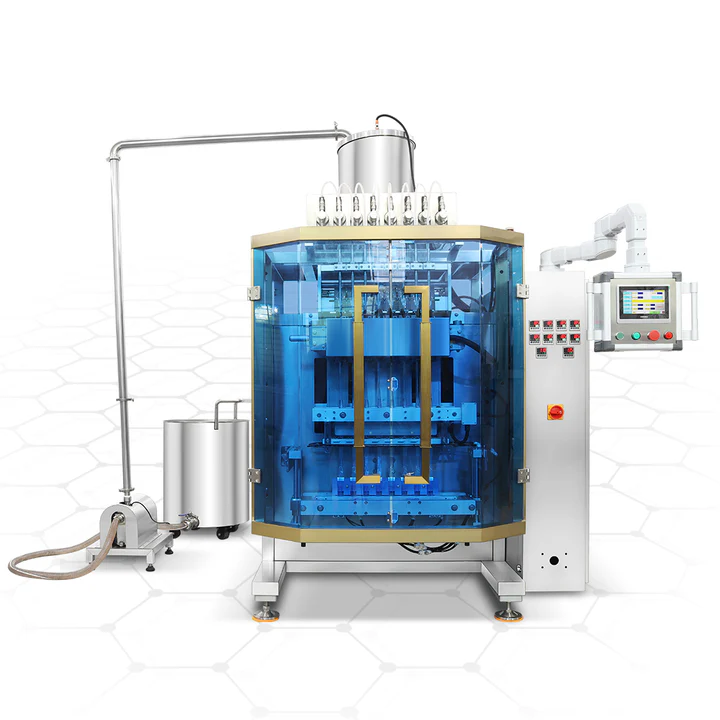
Blue guarded VFFS pouch filling machine
Pouch filling questions

How to compare pouch filling machine quotations fairly.

Compare every proposal against one controlled application brief so price differences can be traced to equipment, interfaces, evidence and support rather than assumptions.

Build a common scope matrix before comparing price.

Use the same product, packaging, dose range, output definition, utilities, site boundary and acceptance method for every supplier. Mark each item as included, excluded, buyer-supplied or still to be confirmed.

Scope areaQuestions to compareEvidence to request
Core processWhich pouch route, dosing method and seal process are included?Equipment list, format range and product assumptions.
Product and pack feedHow are product and pouches or film supplied and replenished?Interface drawing and responsibility schedule.
Quality controlsAre coding, verification, checkweighing, inspection and rejection included?Device specification, tracking sequence and reject challenge.
Line integrationWhich conveyors, guarding interfaces, signals and downstream handovers are included?Layout, sequence description and control-interface schedule.
Delivery and acceptanceWhat trials, FAT, site work, training, documents and spares are included?Test protocol, deliverables and exclusions.

Direct answers about comparing pouch filling quotations.

A lower price is not a like-for-like saving when the line boundary or acceptance evidence is different.

How do you compare pouch filling machine quotations fairly?

Issue one application brief and compare every response in a common scope matrix. Check the same product, pouch, dose, good-pack output, quality controls, utilities, layout, trials, installation and support assumptions.

Resolve every blank or qualification before using total price as the decision.

Which items are often excluded from a base machine price?

Potential exclusions include product feed, change parts, pouches or film, coding, inspection, reject equipment, conveyors, guarding interfaces, extraction, utilities, site installation, training, trials, documentation and spare parts. The actual exclusion list is supplier-specific.

Ask for a written responsibility schedule rather than assuming these items are included.

How should performance and acceptance be written into the quotation?

Tie performance to a named product, packaging specification, format, line configuration, good-pack definition and test method. State the run stages, acceptable rejects, quality checks and evidence that will be retained.

A cycle-rate statement without these conditions is not a complete acceptance definition.

What support and documentation should be compared before order?

Compare installation scope, commissioning, operator and maintenance training, manuals, drawings, software backups, recipe records, spare-parts information, warranty terms stated by the supplier and the support route. Include any site or remote evidence needed to diagnose faults.

Only treat an item as included when it is written into the proposal or agreed schedule.

Separate confirmed scope from options and assumptions.

An option can be useful, but it should not be counted as part of the production solution until its price, interface and acceptance effect are understood. Likewise, a buyer-supplied item needs a defined connection point and responsible party.

Use the specification checklist, trial guide and aftercare page alongside the quotation.

Common comparison headings

  • Machine and dosing route
  • Pouch or film handling range
  • Product-feed arrangement
  • Code, inspection and reject devices
  • Conveyors and line controls
  • Trial and acceptance protocol
  • Installation and training
  • Documentation, spares and support

Send one controlled brief for a clearer quotation.

Lancing can identify inclusions, exclusions and evidence against the real product and pouch requirement.

Request a scoped quotation
Call nowContact us