
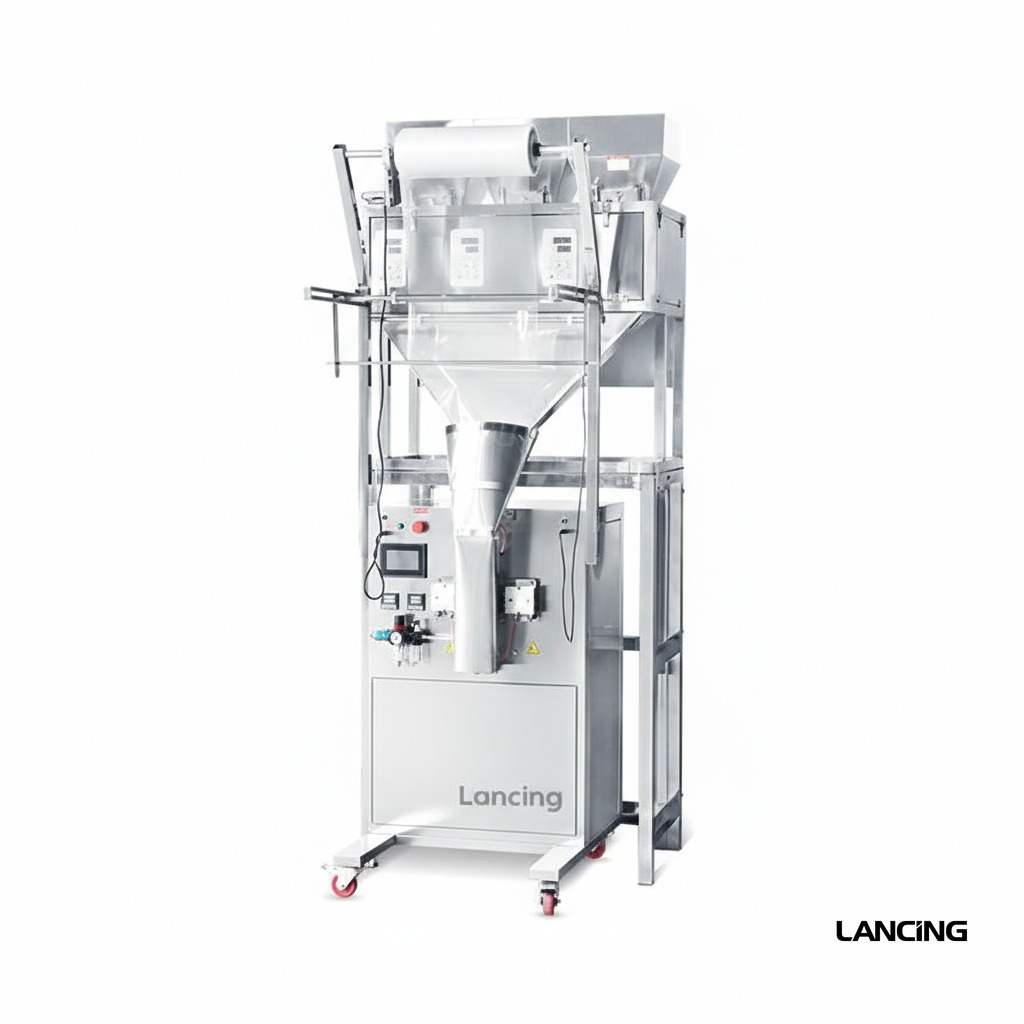
Premade pouch
Premade pouch filling route
Best where the pouch is already made and needs reliable opening, filling and sealing.
View route →Doypack filling needs the machine to hold the pouch stable through opening, filling and sealing so the finished pack remains neat and saleable.
Use this page to prepare an accurate machinery enquiry before choosing a pouch filling machine route.
Specify the pouch dimensions, fill quantity, product behaviour and opening or closure design. Ask how the selected packing process will be demonstrated using representative pouches and product.
The correct system is normally selected from product behaviour, pack format and output target.
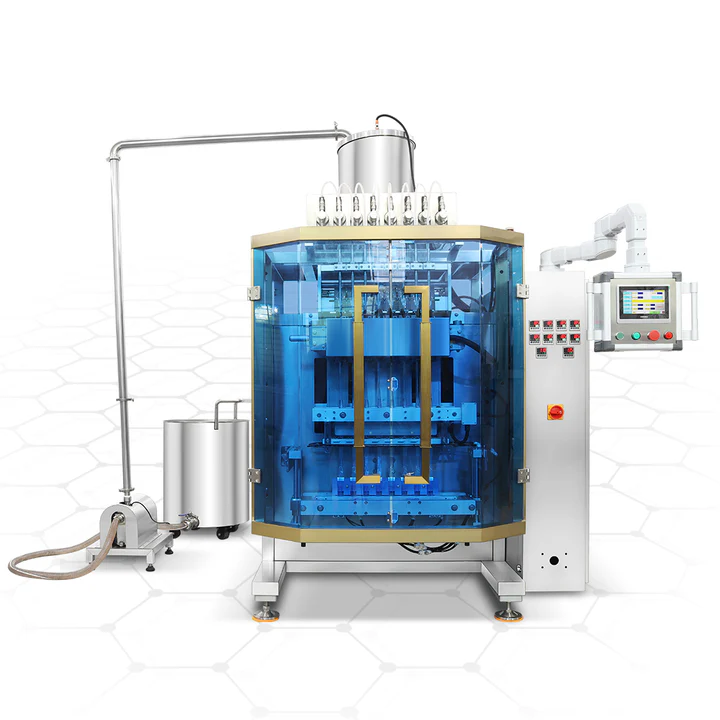
Best where the pouch is already made and needs reliable opening, filling and sealing.
View route →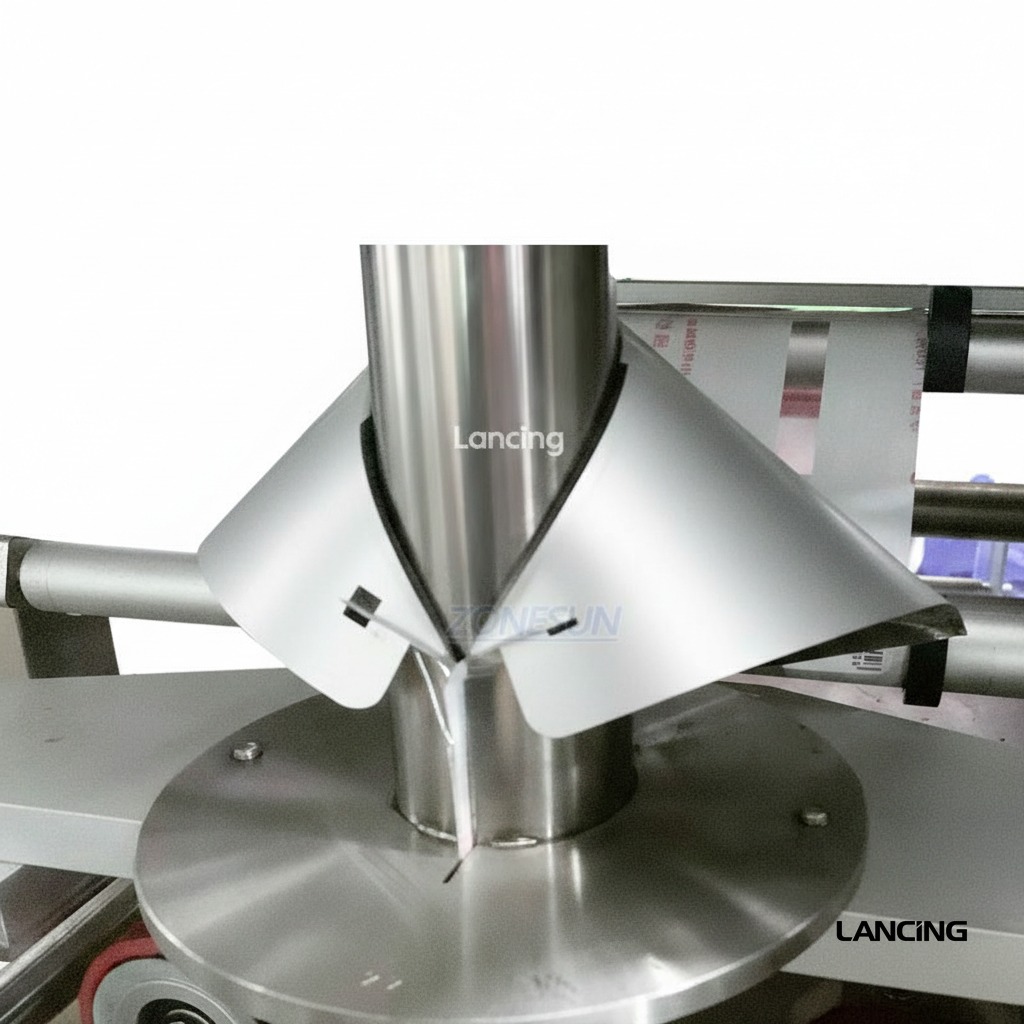
Best where film is formed into the pouch inside the machine for repeatable high-volume production.
View route →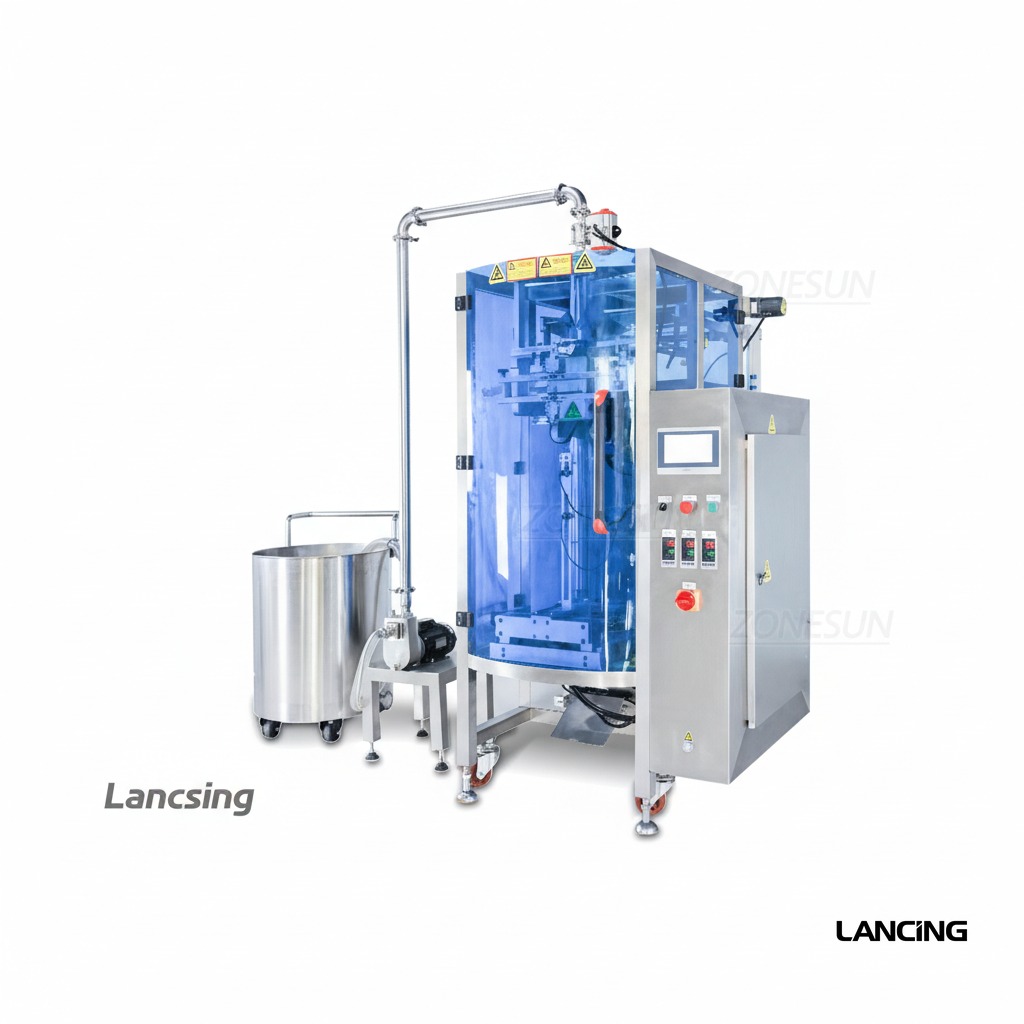
Best where viscosity, foaming, dripping and seal contamination need to be controlled.
View route →Move between the main machine routes and application pages to narrow the specification.
Send product samples or product notes, fill weight or volume, pouch drawings, required speed, utilities, container sizes and any coding, checkweighing or conveyor requirements.
Premade pouches are suited to strong shelf presentation and formed packs. VFFS is usually considered when roll film, higher volumes or in-machine bag forming are required.
Send your product, pouch format and target output. Lancing UK will help shortlist a practical route.
Doypack is a formed stand-up pouch format, but individual designs vary in stiffness, bottom-gusset geometry, opening, zipper, spout, seal area and how the pouch balances before and after filling. These details must be reviewed from actual samples.
The gusset creates the standing base but also changes how the empty pouch sits in a magazine and how the filled pouch is supported. Provide flat and opened dimensions and a filled reference pack where available.
The zipper can reduce the clear mouth and stiffen the top of the pouch. The opening method and filling nozzle must clear the zipper while keeping product away from the final seal.
A spout changes balance and may require orientation, support and a dedicated filling connection. The location, neck, cap and fill method should be supplied in the drawing.
Agree the available seal area, laminate, jaw contact, headspace, cooling and finished-pouch appearance. A pouch that stands correctly when empty may distort once filled.
Trial production-equivalent pouches with the normal manufacturing tolerance and intended product.
| Item | Evidence required | Acceptance focus |
|---|---|---|
| Pouch | Drawing, empty samples, opened sample and filled reference. | Magazine feed, pick-up, gripper area, opening and support. |
| Features | Zipper, spout, tear notch, gusset and code zone positions. | Clear fill path, orientation and no damage to features. |
| Laminate | Full construction and sealant layer. | Jaw settings, clean seal, cooling and integrity result. |
| Product | Representative sample, dose and normal variation. | Filler suitability, cut-off, settling and clean seal area. |
| Finished pack | Target headspace, appearance, code and quality method. | Standability, seal, leakage, code and repeatability. |
No. Size, laminate stiffness, gusset, zipper, spout, opening and fill weight change how the pouch feeds, opens, grips and seals. Actual samples are needed for review.
Possibly, but the opening, nozzle clearance, gripper positions and top-seal arrangement must be checked for both formats. Change parts or separate settings may be required.
The method depends on the spout, cap, orientation, product and required closure process. Provide the complete pouch and closure assembly so the filling connection and support can be specified.
Gusset formation, product distribution, fill level, trapped air, pouch support and the finished seal can all affect standability. Compare approved filled samples during the trial.
Check magazine and guides, grippers, opening, filler/nozzle, seal-jaw position, code, recipe, first-off fill, seal integrity and the final standing appearance.
Lancing can review the gusset, opening, zipper or spout, dosing, top seal and finished-pack acceptance as one cycle.
“Stand-up pouch” is not a complete machine specification. The same nominal size can behave differently because of gusset construction, laminate stiffness, zipper position, spout geometry, top trim and manufacturing tolerance.
| Format field | What to record | Why it matters |
|---|---|---|
| Overall dimensions | Flat width and height, bottom/side gusset and filled profile. | Magazine, gripper travel, station clearances and discharge. |
| Usable mouth | Opening below top trim, zipper or internal feature. | Opening device, chute/nozzle access and product clearance. |
| Zipper | Height, width, end condition and opening force on production samples. | Pickup stack thickness, opening reliability and clean top seal. |
| Spout | Position, angle, cap state, neck diameter and pouch support point. | Presentation, gripping, filling access and torque/closure integration if required. |
| Laminate | Supplier construction, sealant layer, thickness and surface finish. | Separation, friction, stiffness, jaw process and finished seal. |
| Tolerance | Supplier limits and measurements across more than one batch. | Adjustment range and robustness of the handling window. |
Use the opening and gripper guide to plan the handling test and the pouch material guide to collect the laminate evidence. Agree finished-pouch checks with the seal and leak-testing guide.
Include each intended format, product, dose and feature so the proposal can identify common settings, change parts and trial priorities.
A stand-up pouch can feed and open correctly yet still fail the project brief after filling. Dose volume, product settlement, gusset opening, zipper or spout clearance and the top-seal band determine whether the finished pack stands, closes and presents as intended.
| Doypack feature | Machine interaction | Finished-pack check |
|---|---|---|
| Bottom gusset | Must open without losing the pouch datum or grip. | Base forms consistently and the filled pouch stands as required. |
| Zipper | Reduces usable mouth depth and changes opening force. | Zipper remains clean, undamaged and usable after filling and sealing. |
| Spout | Changes balance, pickup datum and nozzle access. | Spout and cap area remain undamaged and the pouch is stable. |
| Shaped sides or notch | Can affect magazine separation and gripper contact. | Shape remains aligned without marks in critical presentation areas. |
| High dose or low-density product | May need more settlement room and a longer fill sequence. | Product remains below the seal band and the pack has the agreed profile. |
Use the pouch fill-zone guide and record repeat setups with the changeover validation guide.
A new mono-material, coating, zipper or spout can alter pouch separation, mouth opening, local thickness and top-seal behaviour. Test the final production construction and retain the approved machine and seal evidence.
Check magazine separation, gripper datum, zipper or spout clearance, usable opening and support during filling across normal pouch tolerance.
Agree the clean seal zone, jaw process, cooling, code position and the strength or integrity method used to release the pouch.
For Doypack or other stand-up pouch projects, use the intended product and packaging samples to review the full sequence. Ask the trial to show how the empty pouch is presented and opened, how the base and side panels sit during filling and how the completed pack is assessed. Agree the desired retail presentation with the packaging owner instead of approving only the fact that the machine can put a dose into the pouch.
Yes, request representative finished-pack evidence. An empty-pack handling demonstration helps assess presentation, but the agreed trial should also cover filling, closing and the appearance of the pouch with its intended contents.