
Premade pouch fillers
For already formed pouches requiring opening, filling and sealing.
View route →Lancing UK helps shortlist practical pouch filling machinery routes for factories that need to move from manual filling to repeatable production, or upgrade an existing pouch line.
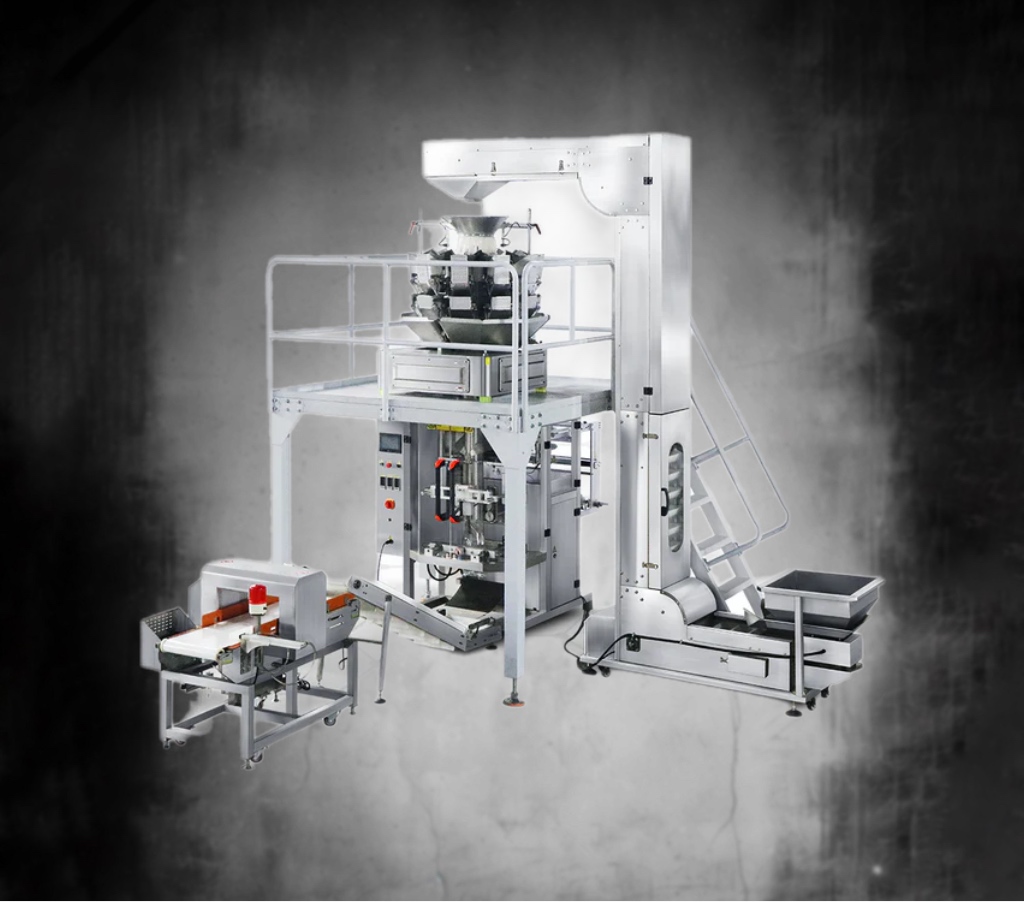
These details help avoid quoting the wrong machine and make the enquiry more useful for production planning.
Send product type, fill weight or volume, pouch dimensions, target output, current process, site utilities and whether coding, checkweighing or conveyors are required.
Compare the machine routes most often connected with this search.
For already formed pouches requiring opening, filling and sealing.
View route →For roll-film bagging where the machine forms, fills and seals the pack.
View route →For auger, weigh-head, multihead and dry-product dosing routes.
View route →For pump-fed sauce, oil, gel, cosmetic and chemical pouch projects.
View route →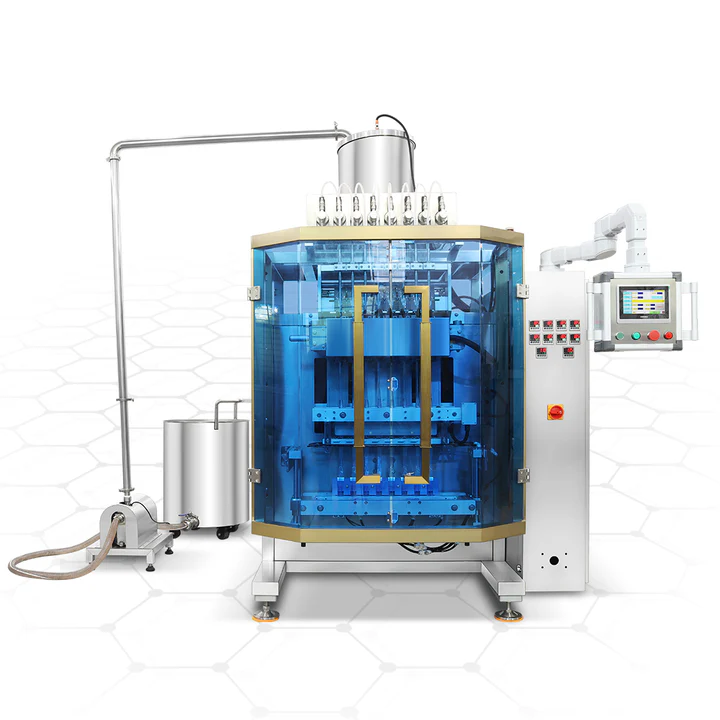
The practical shortlist is based on product behaviour, pouch or film format, target output, seal quality and line integration rather than a generic product catalogue.
Product flow, viscosity, particulates, dust, temperature and cleanability decide the filling principle.
Premade, stand-up, gusseted, back-seal and sachet-style packs need different handling routes.
Output, operators, conveyors, coding and discharge are checked before narrowing the machine route.
A UK supplier can help with specification, communication, site requirements and aftercare planning before the machine route is confirmed.
Yes. The enquiry can be assessed against both routes where the pack and product specification allows it.
Send the product, pouch format and target output. Lancing UK will advise which filling route is practical.
The supplier should be able to explain the selected pouch route, dosing method, sealing process, line interfaces, trial method and support scope using the buyer’s real product and packaging materials.
Check who is responsible for product feed, filler, pouch or film handling, sealing, coding, inspection, rejects, conveyors and controls. Interfaces between separate suppliers should be defined before order.
Agree representative materials, test conditions, sampling, fill results, seal and leak checks, code quality, rejects and changeover evidence. A demonstration with an unrelated product is not a substitute for an application trial.
Confirm the machine identification, manuals, drawings or data included in the supply, settings, change parts, training, first-off checks, spare-parts information and the acceptance record.
State installation responsibilities, utilities, access, commissioning, operator and maintenance training, fault information, spare parts and the route for service requests.
Use the same questions for every proposed configuration.
| Question | Evidence expected |
|---|---|
| Why is this machine family suitable? | Explanation tied to product, dose, pouch or film, seal and output. |
| What published values are reference only? | Clear distinction between catalogue data and application-tested performance. |
| What materials will be trialled? | Representative product and production-equivalent pouches or reel film. |
| What is included and excluded? | Written equipment, controls, integration, installation, training, spares and support scope. |
| How will acceptance be measured? | Defined fill, output, pack, seal, code, reject and changeover checks. |
A supplier should state the conditions behind any quoted output. The accepted value should be tied to the real product, dose, pack, seal cycle, coding, inspection and line interfaces.
Expect a request for representative product, pouch or film, drawings, laminate data, finished reference packs, dose, tolerance, output and cleaning or compatibility information.
The pouch site should retain flexible-pack ownership while dedicated Lancing sites provide deeper VFFS, sachet, powder, auger, liquid or paste guidance. The quotation should still identify one clear project scope and interface owner.
Define operator setup and checks, format changeover, cleaning, normal alarm response and maintenance-level inspection. The exact scope should be written into the quotation.
Issue the same controlled specification and compare compliance, exclusions, trial evidence, change parts, integration, acceptance, installation, training, spares and support rather than headline price alone.
Lancing can respond against the real product, pouch or film, output, quality and site requirements with the proposed scope stated clearly.
A useful supplier comparison makes scope differences visible. Ask each supplier to respond to the same product, packaging, output, quality, integration and support brief rather than comparing headline machine descriptions.
Confirm which product and packaging samples were reviewed, what similar test evidence exists, what remains to be trialled and which conditions can change the proposed output or quality result.
Define responsibility for product feed, pouch/film supply, coding, inspection, rejects, conveyors, guarding, controls, utilities, installation and downstream interfaces. Each excluded item should be explicit.
State trial conditions, acceptance records, operator training, changeover documentation, recommended spares, maintenance information and the route for production support after handover.
Use the trial guide, buyer specification checklist and fault-evidence guide to make supplier responses easier to compare.
A supplier comparison is stronger when every proposal shows how early application assumptions become verified settings, test evidence, documents and support information. The handover should connect the approved product and pouch to the machine configuration installed on site.
Product condition, dose range, pouch or film reference, intended filled shape, good-pack definition, line sequence and assumptions used to select the route.
Machine scope, options, change parts, product-contact arrangement, control interfaces, code and inspection equipment, utilities and excluded responsibilities.
Trial, FAT and SAT protocols, measured results, fault challenges, retained samples, deviations, training and the documents needed for handover.
Approved settings, first-off checks, changeover method, wear parts, critical spares, fault evidence requirements and the route for technical support.
Compare this evidence with the quotation guide, changeover guide and acceptance guide.