
Condition
Machine model/serial, product and packaging batch, format, recipe, line state, time since start/refill/clean/changeover and environmental condition where relevant.
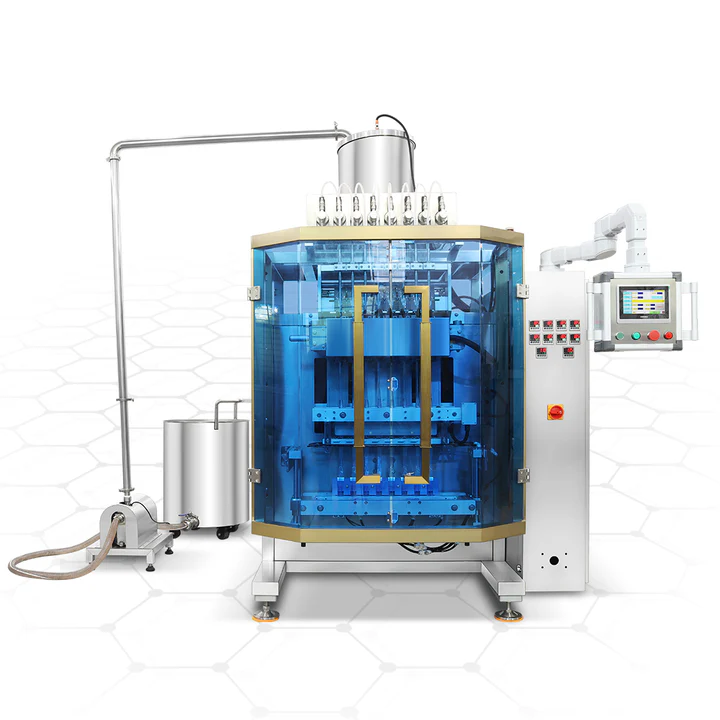
Trace the symptom to the process stage, retain the failed pouch and change settings only after the material, product and machine condition are recorded.
Before adjusting the machine, identify what changed: product or packaging batch, recipe, temperature, hopper/tank level, cleaning, format parts, operator intervention, maintenance, code message or downstream equipment. Keep an acceptable pouch and the failed pouch together where practical.
| Symptom | Evidence to check | Controlled investigation route |
|---|---|---|
| Pouch not picked or double-picked | Magazine load, pouch curl/static/friction, zipper/spout bulk, pickup datum and vacuum/sensor state. | Compare affected batch with approved samples; inspect separation and pickup before changing downstream settings. |
| Pouch picked but not fully open | Usable opening, zipper/gusset condition, opening device position, vacuum response and confirmation logic. | Separate an opening failure from a pickup or gripper fault; prevent fill until opening is proven. |
| Fill result varies | Product density/viscosity/temperature, hopper/tank level, refill, aeration, settling, feed and measurement method. | Plot results by production stage; check product supply and doser condition before altering calibration. |
| Product in seal area | Drop timing/height, dust, bounce, drip/stringing, pouch support, fill level and static. | Identify whether the cause is product release, pouch position, timing or downstream movement. |
| Weak, open or channelled seal | Laminate/batch, sealant, contamination, wrinkles, jaw condition, pressure, dwell, temperature and cooling. | Retain defect location; confirm material and clean seal before changing one controlled factor. |
| VFFS bag length or print position drifts | Reel condition, web tension, registration mark/sensor, slip, former drag and encoder/cut timing. | Trace from unwind through web path; distinguish tracking, registration and cut-position faults. |
| Code missing or misplaced | Message/recipe, trigger, encoder, substrate, orientation, registration and code-area drawing. | Verify printer and pouch/film presentation; challenge inspection and reject response. |
| Correct pack not rejected | Inspection result, position tracking, conveyor spacing, reject timing, confirmation and manual intervention. | Stop release of uncertain packs; test detect-track-reject-confirm as one sequence. |
Machine model/serial, product and packaging batch, format, recipe, line state, time since start/refill/clean/changeover and environmental condition where relevant.
Alarm and sensor states, individual dose results, failed and accepted pouches, defect location, photographs/video where authorised and checks already completed.
Safe isolation, part or setting changed, reason, test quantity, result, first approved pouch and whether the issue returned during steady run or restart.
A change to one category can appear as a fault in another. For example, a pouch batch with different stiffness may look like an opening-device fault; a denser powder may appear as calibration drift; a downstream blockage may create skewed seals after accumulation.
Use the material guide, dosing guide, pouch handling guide, seal guide and inspection guide to isolate the relevant evidence.
Clearing product, film or pouches can expose moving, hot, pneumatic or electrical hazards. Follow the machine instructions, site procedures and a competent risk assessment; isolate energy where required. HSE guidance explains that machinery safeguards and safe arrangements are required before work equipment is used.
General guidance is available from the Health and Safety Executive’s machinery safety pages. This troubleshooting guide does not replace the machine manual, competent maintenance or a site-specific safe system of work.
Controlled changes make the effect traceable. Several simultaneous adjustments can hide the real cause and make it difficult to restore the last approved condition.
Keep the failed pouch, a pouch made immediately before the failure and the first approved pouch after recovery, marked with time, station or sequence where possible.
Stop or hold production when safety is uncertain, pack status cannot be controlled, quality checks fail, reject tracking is lost or the site’s approved procedure requires it.
Yes. Variation in pouch friction, curl, zipper application, film winding, laminate stiffness, powder flow or liquid temperature can create intermittent symptoms. Compare batch evidence before replacing components.
Where authorised and safe, show the complete sequence from material presentation to the fault, the HMI/alarm, affected pouch and surrounding stations. Never enter a guarded area or defeat safeguards to obtain footage.
Use the existing support route with machine identity, product and packaging batch, recipe, alarm, samples and checks already completed.