
Detect and identify
Record the inspection result with a unique cycle or position. Define how multiple pouches between inspection and reject are tracked and how manual removal affects that sequence.
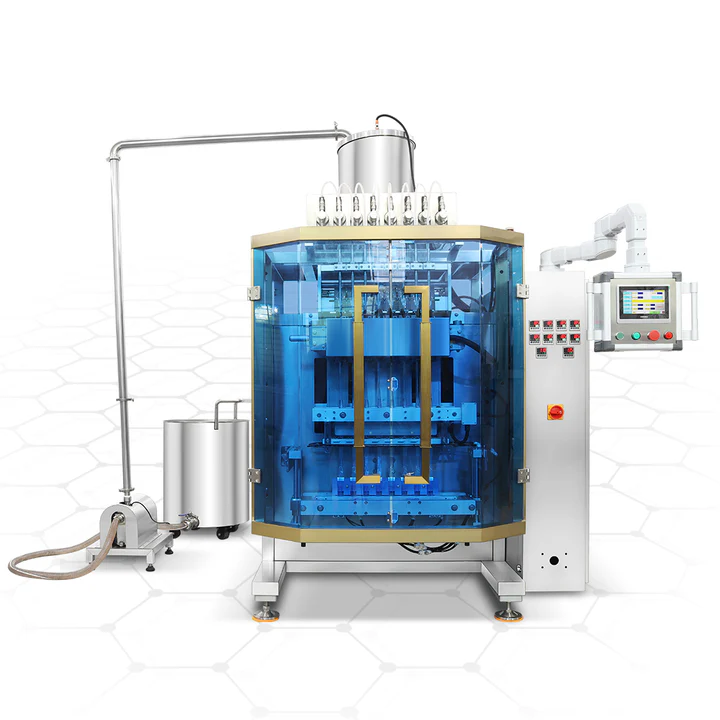
Define what is checked, where it is checked, how the individual pouch is tracked and what proves that a failed pack was removed.
A date coder, vision sensor, checkweigher or metal detector only creates value when the project defines the required decision, product/pack conditions, reject response and retained evidence. The line must preserve the identity of the affected pouch from detection to removal.
| Quality control | Define before selection | Integration questions |
|---|---|---|
| Date, batch or variable code | Content, character size, substrate, location, orientation, speed and permanence requirement. | Printer position, trigger, encoder, message control, consumables and code-area clearance. |
| Code verification | Presence only, legibility, correct content or full character recognition. | Lighting, contrast, camera field, reject decision and management of recipe/message changes. |
| Fill verification | Target, tolerance, sampling versus 100% check and action for out-of-limit packs. | Checkweigher or other method, conveyor stability, pack spacing, reject and data output. |
| Contaminant detection | Product/pack effect, test pieces, sensitivity target and validation routine. | Detector aperture, product effect, conveyor, reject, confirmation and failed-test response. |
| Seal/pack inspection | Defects to detect, limitations and required response. | Sensor/camera location, presentation, false reject control and manual verification. |
The control design should explain how a failed pouch is associated with its reject command and what happens if position tracking is lost or removal is not confirmed.
Record the inspection result with a unique cycle or position. Define how multiple pouches between inspection and reject are tracked and how manual removal affects that sequence.
Choose a reject method suited to pouch weight, speed and conveyor presentation. Where the quality plan requires it, confirm that the reject occurred and that the pouch entered a secure reject location.
Define the response to a full reject bin, missing confirmation, detector fault, printer fault, camera fault or loss of tracking. The line may need to stop and control all unverified pouches.
Code position should be shown on the pouch or film drawing. Avoid gusset folds, zipper/spout features, heavily textured areas and seal zones unless the selected coding and inspection method has been validated there.
For VFFS, account for print repeat, registration and the relationship between coder trigger and cut position. For premade pouches, control pouch orientation and presentation so the intended face and code area are consistent.
Use the material guide for substrate information and the seal guide to prevent code placement from compromising the pack.
Challenge each failure mode with agreed test materials or simulated signals, verify the correct pouch is removed, confirm the fault response and check how the line restarts. Record both successful rejects and any pouches whose status becomes uncertain.
Automatic sequence and recovery are covered further on the automatic pouch filling machine page. Use the troubleshooting guide when a code, inspection or reject fault is intermittent.
No. The coder applies information; verification checks some defined property of that code. Presence, readability and correct content are different inspection levels.
A reject command does not prove that the pouch left the accepted product stream. Confirmation can be required where the quality plan needs evidence of physical removal.
The control philosophy should identify all pouches whose status is uncertain, prevent their release and define a controlled clearance and restart procedure.
Saleable output should include the actual conveyors, spacing, coding, inspection, reject and downstream conditions. An isolated filler cycle does not represent the complete line.
The project should define authorised users, recipe/message control, line clearance, first-off verification and records so a correct mechanical setup cannot run with incorrect variable information.
Include the pack artwork, required decisions, device interfaces and reject response so the complete line can be reviewed.