
Materials and setup
Record product batch and condition, packaging batch, dimensions, laminate, filler parts, former or pouch guides, seal settings, printer, sensors and line equipment. Approve the first-off pouch before the measured run.
Pouch filling machine trials and product testing discussion should start with the product and pouch details rather than a generic machine label. Lancing UK can review the pack format, dosing principle, sealing requirement and practical line layout before a route is shortlisted.
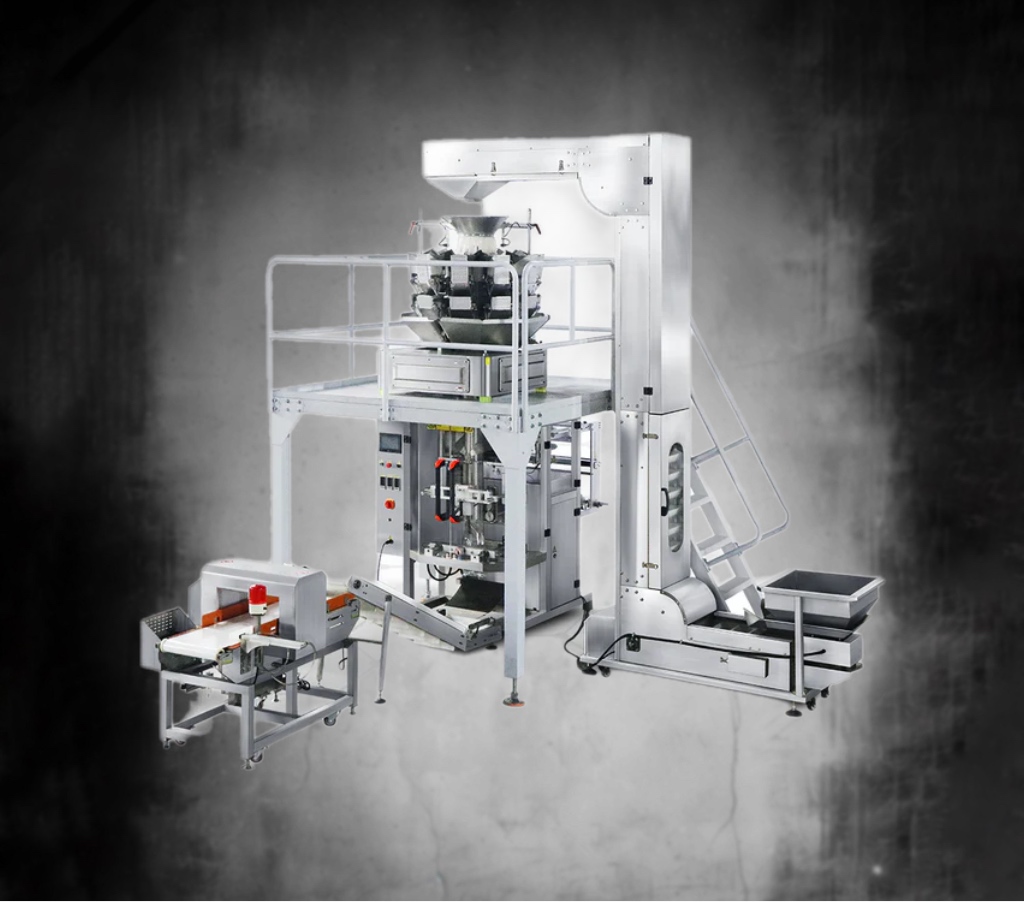
A useful specification starts with the product and the pack, then works back to the dosing, sealing, inspection and line handling requirements.
For pouch filling machine trials, send product type, fill weight or volume, pouch dimensions, material, target output, current process and any coding, inspection or conveyor requirements.
Use these pages to compare adjacent machine routes and decide whether machine route review before quote is the right direction.
The machine route is matched to the actual production brief, not just the product name. That avoids over-specifying the line or missing a key seal, dosing or handling requirement.
Flow, dust, viscosity, foaming, particulates and fragility change the filler choice.
Material, seal width, gusset, zipper, spout, registration and pouch size affect the machine route.
Finished pouch discharge, coding, checkweighing, conveyors and packing benches should be planned early.
product trials, pack tests and route confirmation usually need sample packs, target output and product details checked before final machine selection. A clear brief helps avoid delays and gives a more accurate route recommendation.
Send product type, pack size, target output, current process and photographs or dimensions of the intended pouch.
Sometimes, but changeover depends on product behaviour, cleaning, dose range, hopper design and seal requirements.
Send the product, pouch format and target output. Lancing UK will advise which machine route is practical.
The protocol should identify the exact machine configuration, product, pouch or film, setup, test sequence, measurements, quality checks and evidence. It should also state which results are indicative and which are required for acceptance.
Record product batch and condition, packaging batch, dimensions, laminate, filler parts, former or pouch guides, seal settings, printer, sensors and line equipment. Approve the first-off pouch before the measured run.
Use the agreed sample plan for fills, seals, codes and pack dimensions. Include rejects, stops, adjustments, refill events and film or pouch replenishment in the record.
Where relevant, test a product or pack change, cleaning, restart, controlled stop or reject condition. Record the parts, settings, tools, time and first approved pouch.
Evidence should be tied to the trial conditions so photographs or video are not separated from the product, settings and measured results.
| Evidence | What it should show |
|---|---|
| Trial record | Machine, product, pack, date, settings, run conditions, changes and responsible people. |
| Fill data | Individual checks, method, equipment, target, tolerance and any adjustments. |
| Seal and leak results | Test method, sampling, outcome, failure examples and approved finished packs. |
| Photographs | Pack front/back, seals, code, gusset, zipper or spout, fill level and reject examples. |
| Finished-pouch video | Representative machine cycle and completed packs, with the trial condition identified. |
| Changeover record | Parts, settings, tools, cleaning, time and first-off approval after the change. |
A substitute may support early development, but its limitations should be recorded. Final dosing, cut-off, dust, foam, particles, temperature, cleaning and seal contamination are best assessed with representative product.
It should be long enough to observe normal feeding, dosing, sealing, replenishment and quality behaviour. Agree the duration or pack count from the application rather than using one fixed rule.
Rejects should be recorded and the saleable output calculated consistently with the agreed acceptance method. Record the reason and any intervention needed.
Identify the trial condition and show the representative cycle, pouch handling, fill, seal, code, discharge and completed packs. It should supplement measured results, not replace them.
The quotation or protocol should identify the responsible buyer and supplier representatives and the evidence needed for approval, exceptions or further work.
Lancing can confirm the product and packaging quantities, setup, measurements and evidence needed for a useful pouch filling test.
A staged trial prevents a good final sample from hiding an unstable setup or an untested recovery. Each hold point has a release question and evidence, so the team knows whether to continue, adjust the setup, repeat a stage or record an outstanding condition.
| Trial stage | Release question | Minimum evidence to retain |
|---|---|---|
| 1. Materials and setup | Are the product, pouch or film, format parts, code, inspection and line configuration the agreed trial condition? | Material identity, dimensions, machine configuration, settings, utilities and named trial representatives. |
| 2. First-off pouch | Does the first completed pack meet the agreed fill, dimensions, appearance, code and seal checks? | Approved sample, fill result, photographs and any setup changes made before approval. |
| 3. Measured run | Does the route remain stable through the agreed sample period with rejects and interventions included? | Grouped fill data, saleable output, rejects, stops, replenishment, adjustments and finished-pouch checks. |
| 4. Interruption and restart | Can the line recover from a representative controlled stop without releasing uncertain packs? | Stop condition, packs affected, operator steps, restart checks and first accepted pouch. |
| 5. Changeover, where included | Can the quoted product or format change be completed and released using the documented parts and settings? | Parts, tools, cleaning, settings, elapsed activity and first-off approval for the new condition. |
| 6. Evidence review | Does the complete evidence meet the acceptance matrix, and are any exceptions clearly owned? | Signed or otherwise controlled trial record, approved samples, open items and the agreed next action. |
Record whether the tested condition is accepted, accepted subject to a defined action, requires a repeat under specified conditions or falls outside the quoted scope. Avoid general notes such as “worked well” when a measured result, sample or unresolved boundary is available.
An exception should identify the affected product or pack, the missing evidence, the responsible party and what must happen before final approval.
Photographs, video, fill data and seal results should carry the same trial reference as the product, packaging and machine setup. This prevents a finished-pouch image from being reused without the conditions that produced it.
Prepare the inputs with the specification checklist, define finished-pack checks in the sealing guide and include automatic recovery requirements from the automatic pouch filler guide.
A machine trial should create a traceable record, not only a demonstration. Label the product, pouch or film batch and test stage so a finished pouch can be connected to the settings and conditions that produced it.
| Hold point | What to prove | Evidence to retain |
|---|---|---|
| Material receipt | Correct product and packaging identity, condition, quantity and normal production variation. | Batch references, measurements, photographs where authorised and deviations. |
| First-off setup | Pouch/film tracking, opening/forming, dose, seal, code and discharge at the agreed format. | Setup record, first approved pouch and rejected examples with reasons. |
| Measured production | Saleable output with normal coding, checks, rejects and replenishment included. | Timed count, individual dose checks, rejects, stops and interventions. |
| Interruption and restart | Controlled response to pause, product/pouch/film replenishment and restart. | State sequence, cleared/rejected pouches and first accepted pouch after restart. |
| Changeover | Parts, tools, settings, cleaning and first-off approval for the next format or product. | Observed sequence, time record and approved setup sheet. |
| Final review | Agreed acceptance criteria met or open actions clearly recorded. | Signed result matrix, retained samples, photographs where authorised and action owners. |
Use the opening/gripper guide and laminate guide to define material evidence.
Use the dosing guide and seal guide to define measurements.
Use the coding/inspection guide and fault record to capture exceptions.
A representative trial reproduces the conditions that change filling and pack quality, then records enough evidence to explain the result.
A representative trial uses normal production product, production-equivalent pouches or film, realistic feed conditions and the intended quality method. It includes enough material to set up, stabilise, run, interrupt and restart the process rather than proving only one carefully prepared pouch.
The tested condition should be recorded so the result is not applied to a different product temperature, material batch or pack construction.
Start-up and restart pouches show whether dose, seal, code and tracking return to control after the machine has been stopped. Mixing them into the steady-run sample can hide the losses and risks that appear during normal production interruptions.
Label retained samples by sequence and link them to settings, stop reason and operator action.
Record the time, symptom, machine state, pouch or product batch, setting before intervention, action taken and result. Change one relevant variable at a time where safe so the cause-and-effect relationship remains visible.
A structured record is more useful than a final note that the machine was adjusted until it worked.
A short run is insufficient when it does not include normal replenishment, pouch variation, thermal stabilisation, planned stops, code or inspection challenges and downstream handling. It may prove basic feasibility but not sustained saleable output or recovery performance.
Use the output guide to define what the measured run must capture.
Send the application details, representative samples and required acceptance checks so Lancing can review the suitable pouch filling route.
A development trial, factory acceptance test and site acceptance test have different purposes, but the product, pack references and good-pouch definition should remain traceable across all three. That continuity prevents an early demonstration result from being disconnected from the machine finally installed.
| Stage | Main purpose | Evidence to retain |
|---|---|---|
| Application trial | Confirm the proposed handling, dosing and sealing route is practical with representative materials. | Samples, setup notes, fill and seal observations, limitations and the proposed acceptance method. |
| Factory acceptance test | Test the agreed machine scope in a controlled factory environment before despatch. | Run record, good-pack results, challenges, changeover, alarms, documentation and deviations. |
| Site acceptance test | Confirm installation, utilities, interfaces, local materials, operating sequence and handover at the production site. | Site results, line handshakes, safety and operational sign-offs, training record and outstanding actions. |
The complete staging and evidence schedule is set out in the pouch filling FAT and SAT acceptance guide.
Use the approved production materials wherever practical; where that is not possible, record the substitute, the reason and which acceptance points remain conditional. Any material difference that can affect flow, opening, filling or sealing should be retested with production materials.
No. FAT confirms the agreed factory-test scope, while SAT adds the actual site utilities, access, product supply, downstream equipment, operating environment and local procedures. The two tests should be linked by a common acceptance schedule but retain separate responsibilities.
Record the requirement, observed result, evidence, risk, temporary control, owner and agreed close-out action. Do not hide an unresolved item inside a general pass statement. State whether it prevents acceptance or can be closed after a defined corrective action.
Record the good pouches produced under the agreed product, pack and quality checks over the defined test period. Also record rejects, stops, interventions, replenishment and restart behaviour so the result is not confused with an unloaded mechanical cycle rate.