Pouch filling machinery, VFFS bagging and filling & sealing lines from Lancing UK01494 623015 · sales@lancinguk.com
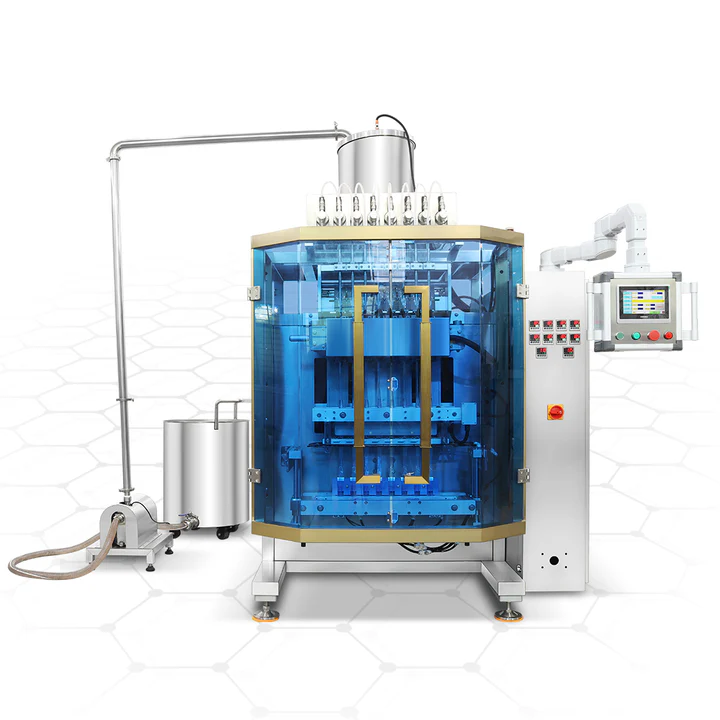
Blue guarded VFFS pouch filling machine
Pouch filling questions

Pouch filling line output: cycle rate, losses and saleable packs.

Real output is the number of accepted pouches delivered by the complete line under defined production conditions, not the fastest isolated machine cycle.

Measure the complete path from product supply to accepted discharge.

Saleable output counts pouches that meet the agreed dose, seal, code and inspection requirements and reach the agreed discharge point. It should be stated with the product, pouch or film, format, line configuration and run condition.

Line factorWhat can limit outputEvidence to collect
Product supplyStarvation, bridging, aeration, temperature change or refill disturbance.Hopper or tank state, refill timing and dose trend.
Pouch or film supplyMissed pickup, opening failure, reel change, tracking or registration loss.Failure count, material reference and restart sample.
DosingMetering time, settling, cut-off, particles, dust or foam.Dose result and product condition through the run.
SealingDwell, cooling, contamination, jaw recovery or temperature stability.Seal checks linked to time and settings.
Quality and dischargeCoding, inspection, reject confirmation, conveyor blockage or accumulation.Reject reason, blocked time and accepted discharge count.

Direct answers about pouch filling output.

Use the same counting boundary and evidence rules for every machine or quotation being compared.

What is saleable output on a pouch filling line?

Saleable output is the number of pouches that meet the agreed acceptance checks and reach the defined handover point in a stated period. It excludes setup waste, challenge rejects and packs that fail dose, seal, code or inspection requirements.

State the run condition and denominator clearly so the result can be repeated and compared.

Which station sets the real output of a pouch filling line?

The limiting station is the process that constrains sustained accepted production under the tested conditions. It may be product feed, pouch opening, dosing, seal dwell, cooling, coding, inspection, rejection or downstream discharge.

Identify it from timed stop and loss data rather than assuming the filler is always the bottleneck.

How should short stops and recovery be included in an output test?

Include normal stops and record the reason, duration, pouches affected and point at which accepted output resumes. Restart pouches should remain identifiable until dose, seal, code and tracking are confirmed stable.

A test that removes every interruption may show maximum cycle rate but not routine production capability.

What should be recorded when pouch line output is accepted?

Record product and packaging identity, format, machine settings, run time, total cycles, accepted pouches, rejects by reason, stops, interventions and the discharge boundary. Also retain representative samples and the quality method used.

This turns the output figure into repeatable evidence rather than an isolated number.

Use a run structure that exposes hidden losses.

Include warm-up or priming, steady production, normal replenishment, one planned stop and restart, and any routine inspection or code challenge. Report each stage separately before calculating the combined good-pack result.

Model reference rates on this website are useful starting points, but the confirmed production result depends on the real product, pack, filler, seal process and connected equipment. Continue with the pouch filling trial guide.

Output-test inputs

  • Named product and condition
  • Named pouch or film batch
  • Target dose and quality limits
  • Defined accepted-discharge point
  • Normal replenishment method
  • Stop and restart sequence
  • Reject categories and confirmation
  • Run duration and evidence record

Define good-pack output before comparing machines.

Send the product, pouch, quality checks and line boundary so the proposed output can be tied to a real acceptance method.

Discuss the output target
Call nowContact us