
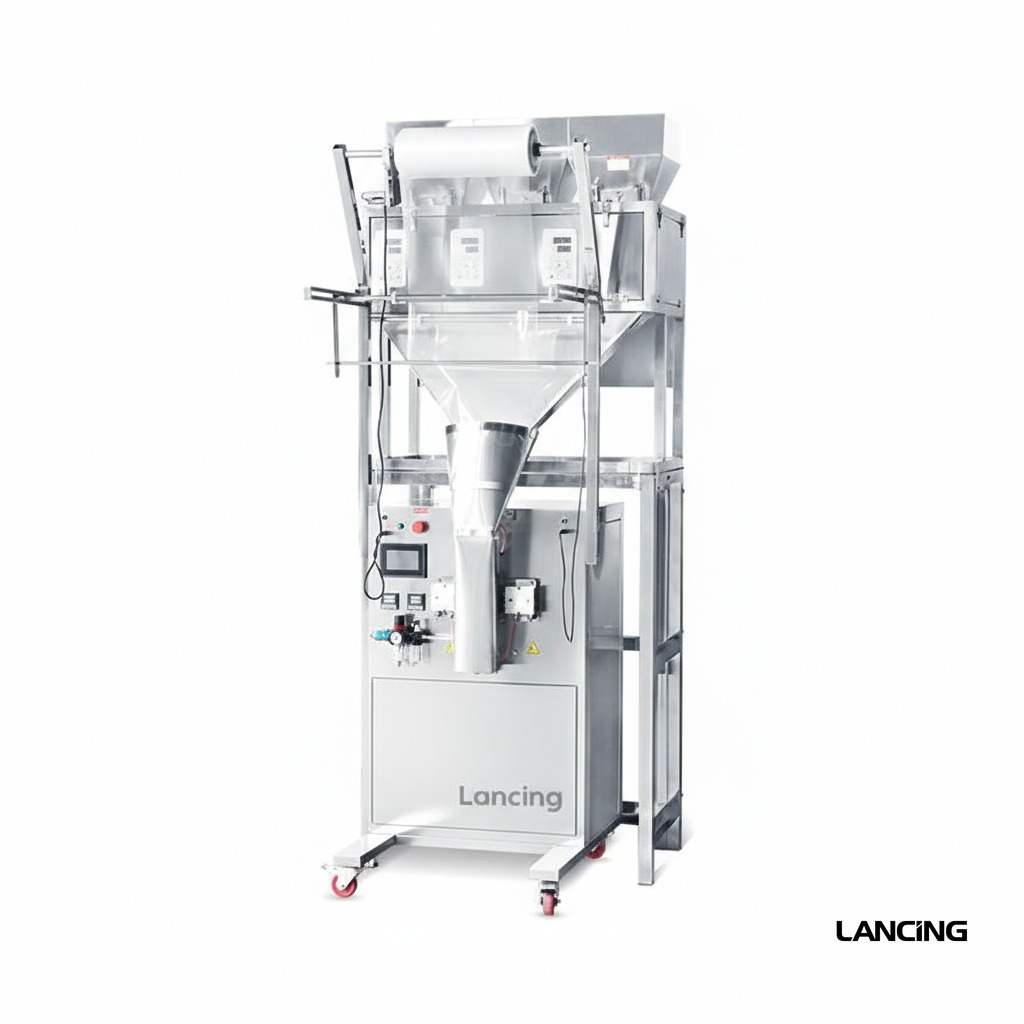
Premade pouch
Premade pouch filling route
Best where the pouch is already made and needs reliable opening, filling and sealing.
View route →Pouch sealing performance depends on pouch material, seal jaw control, fill cut-off, dwell time and avoiding product in the seal area.
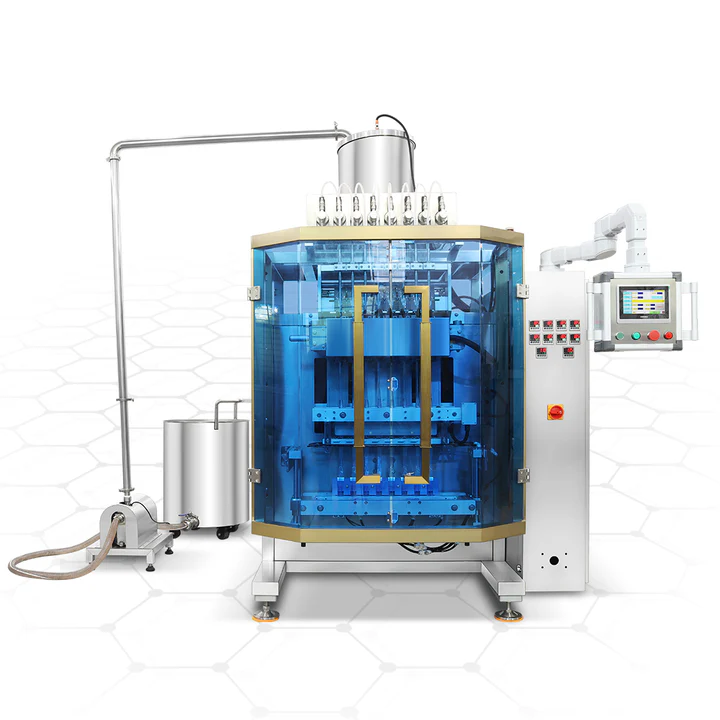
Use this page to prepare an accurate machinery enquiry before choosing a pouch filling machine route.
These are covered naturally on the page so Google can understand the specific application rather than treating the site as one generic pouch filler page.
The correct system is normally selected from product behaviour, pack format and output target.
Best where the pouch is already made and needs reliable opening, filling and sealing.
View route →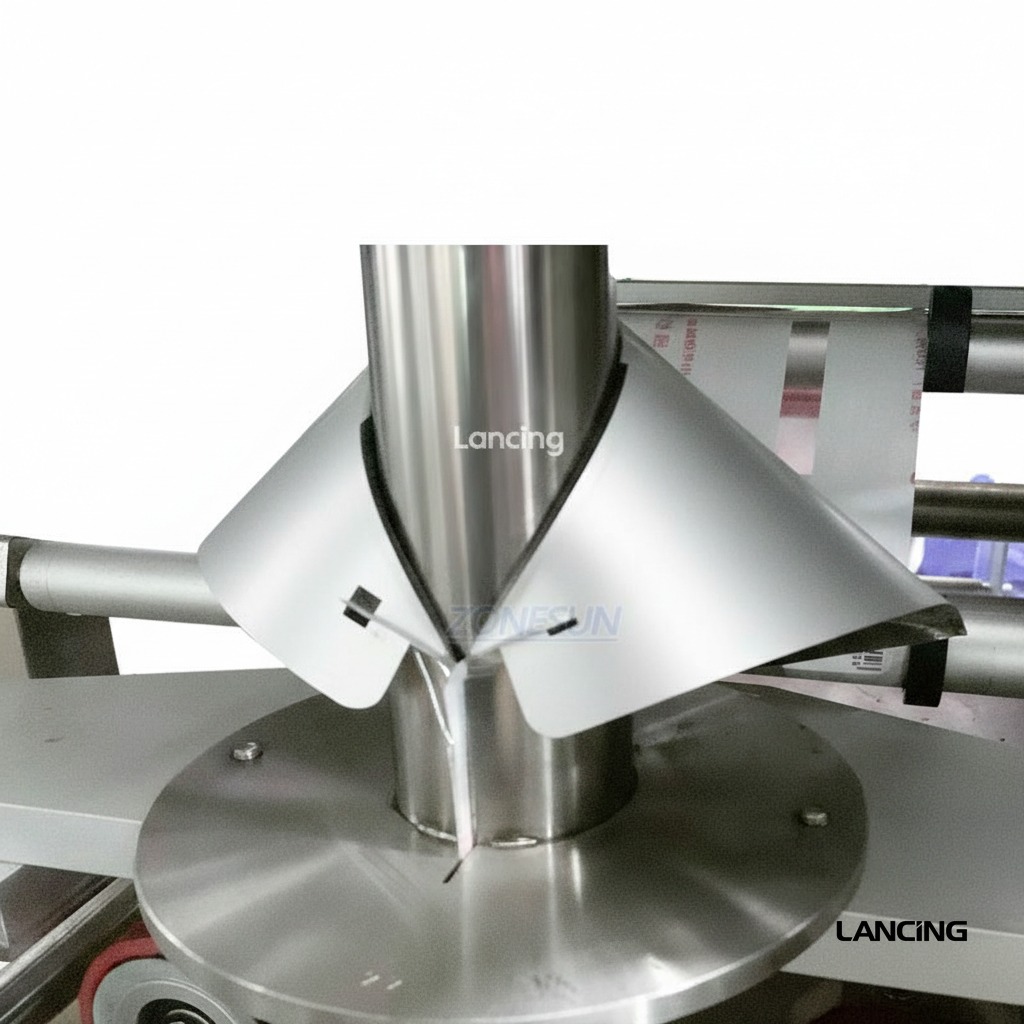
Best where film is formed into the pouch inside the machine for repeatable high-volume production.
View route →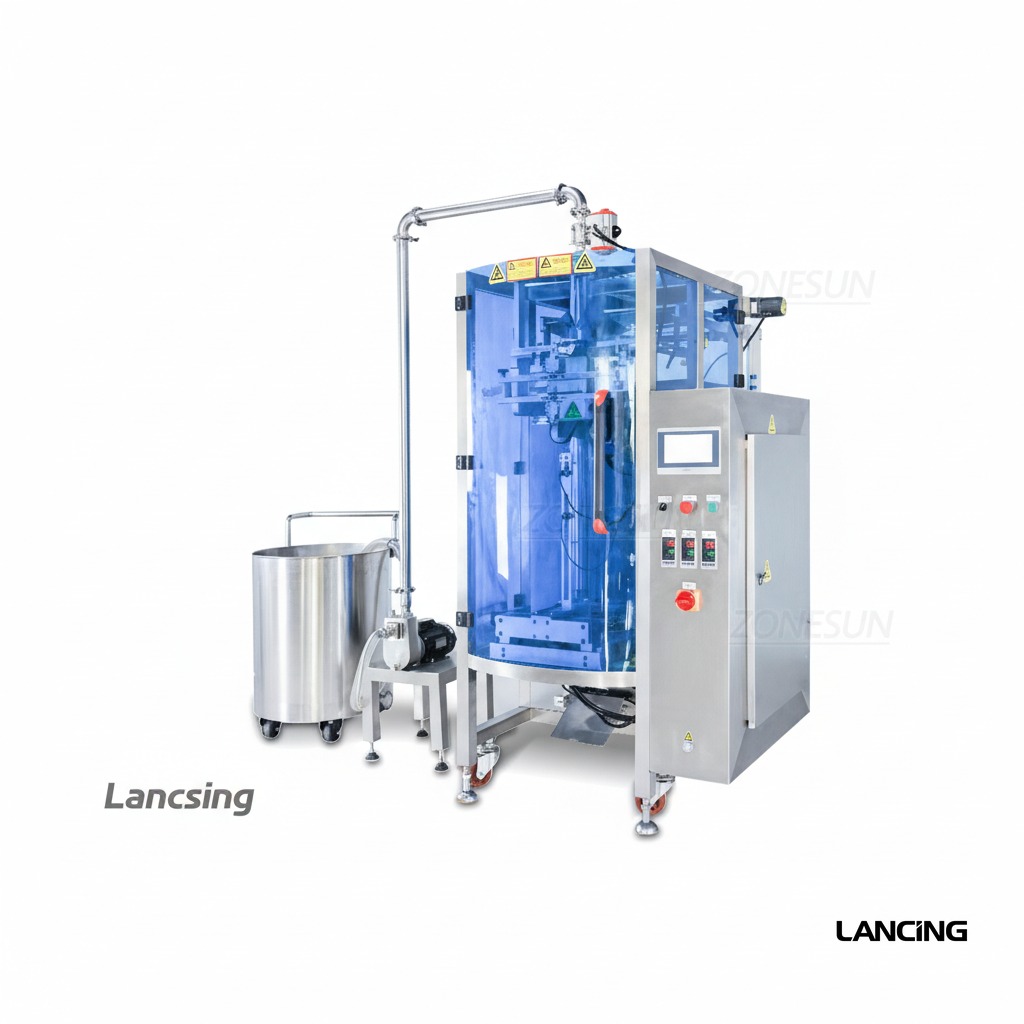
Best where viscosity, foaming, dripping and seal contamination need to be controlled.
View route →Move between the main machine routes and application pages to narrow the specification.
Send product samples or product notes, fill weight or volume, pouch drawings, required speed, utilities, container sizes and any coding, checkweighing or conveyor requirements.
Premade pouches are suited to strong shelf presentation and formed packs. VFFS is usually considered when roll film, higher volumes or in-machine bag forming are required.
Send your product, pouch format and target output. Lancing UK will help shortlist a practical route.
A reliable pouch seal is a controlled interaction between the laminate, clean seal area, jaw surface, temperature, pressure, dwell, cooling and the load placed on the seal by the product and trapped air.
Provide the full material structure and identify the sealant layer. Similar-looking pouches can need different settings and can respond differently to repeated heat, pressure and cooling.
Jaw alignment, face condition, pressure distribution and contamination determine whether the entire seal receives the intended process. Product, creases, zipper material or dust can interrupt contact.
Headspace, trapped air, pouch support, product temperature and the weight of the filled pack can stress a seal during cooling and discharge. Test the filled pack, not only empty film.
Visual appearance is important but may not demonstrate integrity on its own. Select a test appropriate to the product, pouch design and quality system, and define how samples and failures will be recorded.
| Check | Purpose | Points to define |
|---|---|---|
| Visual seal inspection | Find wrinkles, folds, contamination, incomplete contact and poor cut position. | Approved appearance, lighting, sample frequency and reject examples. |
| Peel or seal-strength check | Assess bond behaviour where a defined method is suitable. | Sample preparation, direction, equipment, conditioning and acceptance value. |
| Burst, vacuum or immersion method | Challenge pack integrity where appropriate to the pouch and product. | Test setup, pressure or time, product substitution if used and failure definition. |
| Production monitoring | Keep the process within the accepted condition. | Jaw settings, alarms, sampling, action limits, rejects and records. |
The print area must be stable and clear of seals, zippers, spouts, gusset folds and high-friction handling points. Confirm code content, method, substrate compatibility, print orientation and verification on the finished pouch. Thermal or contact processes should be reviewed alongside the laminate and machine timing.
For specialist reel-fed seal engineering, film tracking and forming, use Form Fill & Seal. This page keeps the focus on the finished pouch and its fill-and-seal process.
A surface may appear continuous while contamination, poor layer bonding, a channel, crease or weak area remains. Use an integrity test appropriate to the pack rather than visual inspection alone.
Provide laminate construction, sealant layer, thickness, desired seal width, pouch features, product temperature and the quality method. Settings must be established by trial on production-equivalent material.
Dust, bounce, foam, drips, strings, overfill, poor pouch opening or insufficient settling can leave product in the jaw area. Correcting the source is usually more reliable than only increasing heat or pressure.
It is generally safer to define a separate approved code zone. Any overlap with seal heat, pressure, folds or handling should be checked with the laminate and coding supplier.
Where practical, the trial should reflect the real product because temperature, wetting, particles and pack stress may affect performance. Agree any substitute medium and its limitations in the test plan.
Lancing can review the fill path, jaw process, coding and finished-pouch checks with production-equivalent material.
A failed pouch should be retained with its trial condition rather than described only as “a leak”. Recording where and how the defect appears helps the team distinguish product contamination, pouch presentation, laminate response, jaw contact, cutting and downstream handling.
| Observed condition | Questions to record | Evidence to keep |
|---|---|---|
| Channel or contamination | Was product, dust, liquid, a fibre or a crease present in the seal path, and at what point did it enter? | Marked failed pouch, product condition, fill timing and photograph of the affected seal area. |
| Wrinkle or fold | Did pouch opening, film tracking, gusset position, trapped air or filled-pack support change the presentation to the jaws? | Empty and filled samples, jaw presentation and the machine state when the fold appeared. |
| Weak or variable bond | Is the result associated with a laminate batch, sealant layer, pouch area, setup, cooling or product temperature? | Material identity, settings, conditioning, sample direction and the agreed integrity-test result. |
| Distortion or marking | Is the laminate, zipper, spout, print or code being affected by the sealing and cooling process? | Approved appearance reference and samples across the relevant operating window. |
| Cut or seal misalignment | Is the error linked to web registration, pouch position, jaw timing, cut position or movement after sealing? | Front and back photographs, dimensions, registration or position record and rejected samples. |
| Code interference | Does the code overlap a seal, fold, textured area or warm laminate, or become unreadable after handling? | Artwork or print-zone approval, code sample and finished-pouch inspection result. |
Record the product, fill level, pouch or film batch, conditioning, sample selection and test method used for every result. A method demonstrated on an empty pouch may not represent a filled pouch carrying warm, wet, dusty or particulate product.
Define how often samples are taken, what constitutes a failure and what action is required before output is released again. The test should support the buyer's quality plan rather than exist as an isolated demonstration.
Keep labelled examples of acceptable appearance, common reject conditions and the agreed test outcome where practical. Link those samples to settings and the trial record so they can support changeover, training and investigation later.
Use the premade pouch guide or VFFS guide for the relevant pouch presentation route, then include the checks in the machine trial protocol.
Seal temperature, pressure and dwell are machine settings; seal integrity is the result achieved with the stated laminate, product, contamination condition and cooling. A robust acceptance plan connects the settings to finished-pack evidence.
Identify the laminate and sealant layer, then establish settings that produce a continuous seal without distortion, burn-through or unacceptable appearance. Record jaw condition, pressure distribution, timing and film or pouch temperature at the relevant stage.
Assess foreseeable contamination, wrinkles, zipper ends, gusset folds, product strings and code position. The purpose is not to accept contamination, but to understand how the process identifies and rejects a pouch that cannot be sealed reliably.
Visual inspection, seal-strength measurement, gross-leak checks and validated non-destructive methods answer different questions. The quality team should select the method, sampling and acceptance limit appropriate to the product, pack and distribution route.
The pouch seal-integrity and leak-testing guide separates available test approaches. Use the laminate guide to obtain the material information needed before settings are developed.