Installation
Access, layout, utilities, line interfaces and safe working areas.
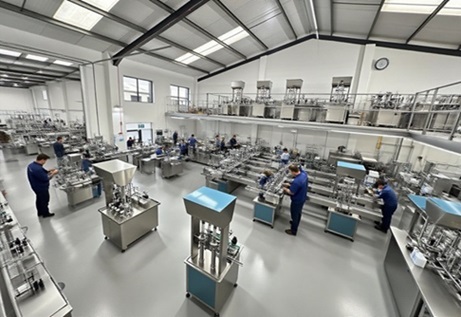
Pouch filling lines perform best when operator training, settings, spares and changeover support are planned before the machine arrives.
Support scope should be clear before purchase, particularly where the pouch line is replacing manual packing or connecting into existing equipment.
Access, layout, utilities, line interfaces and safe working areas.
Product trials, seal checks, dosing settings and operator workflow.
HMI use, changeovers, cleaning, fault finding and daily checks.
Wear parts, sealing components, sensors and recommended stock.
A pouch line should be specified as a working production route, not only as a machine on a datasheet.
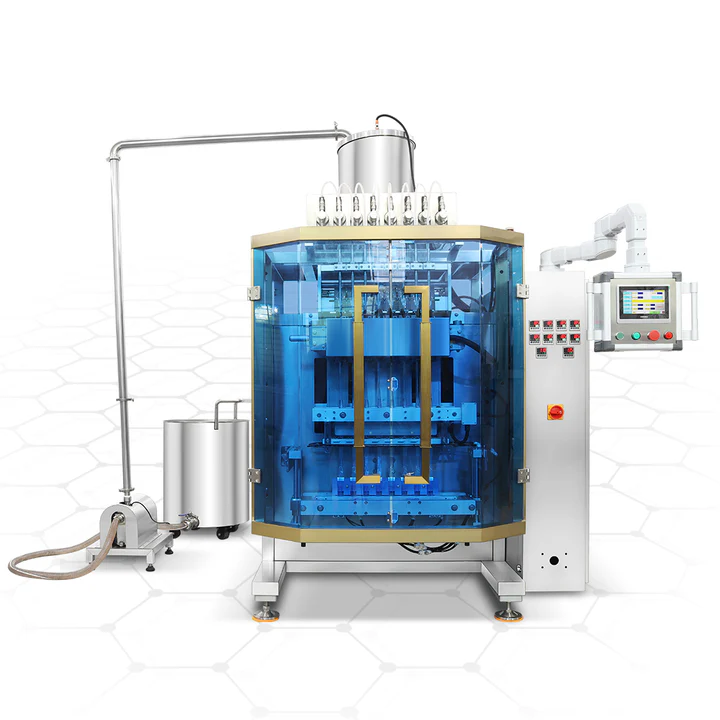

Yes. Lancing UK supports packaging machinery installation, commissioning, operator handover, spares and aftercare.
Support requirements affect training, spare parts, documentation, maintenance access and long-term reliability.
Often yes. Line reviews can identify issues around dosing, seals, feed stability, coding or downstream handling.
We’ll help shortlist whether a premade pouch machine, VFFS bagger, auger, multihead weigher, piston pump or multi-channel liquid system is the practical route.
Installation is only one point in the life of a pouch filling system. The scope should also define site readiness, commissioning evidence, operator handover, changeover control, preventative maintenance, wear parts and the information needed when support is requested.
Confirm access, floor space, utilities, extraction where required, product feed, guarding interfaces, coding, inspection, conveyors and responsibility for upstream and downstream equipment.
Record approved product and pack settings, first-off checks, change parts, cleaning sequence, normal alarms, restart checks and the agreed acceptance results. Operators and maintenance staff need different levels of information.
Keep machine model and serial details, photographs, alarm history, recipe, product, pouch or film, recent changes and a clear description of the fault. This shortens diagnosis and reduces unnecessary parts replacement.
Changeover is more reliable when guides, grippers, formers, fillers, nozzles, jaw settings, printers and sensors have identified positions or recipes and a first-off approval check. Maintenance should distinguish routine cleaning, inspection, lubrication where specified, wear-part replacement and fault repair.
Do not adjust seal temperature, pressure, timing or product dosing without recording the reason and result. A recurring seal or fill fault may be caused by product, film, pouch variation, contamination or an upstream feed issue rather than the component that is easiest to change.
Confirm machine access, floor and service routes, power, air, extraction or drainage where required, product supply, packaging materials, line interfaces and the people responsible for commissioning and training.
List parts, guide and gripper positions, former or nozzle, product recipe, seal settings, printer setup, sensors, tools, cleaning, safety checks and the first-off inspection required before release.
Provide model and serial, product, pack, recipe, alarm, when the issue began, recent changes, photographs or video, affected quality result and whether the fault occurs continuously or intermittently.
Review wear rate, consequence of failure, supplier lead time and whether the part is unique to a product or format. Keep the identified critical and wear parts linked to the machine documentation.
Unrecorded changes can move fill, seal, code or handling performance away from the accepted condition. Controlled recipes and change records make faults easier to trace and production easier to restore.
Define installation, commissioning, training, changeover, documentation, spare parts and ongoing production support when the project is quoted.
A useful support record identifies the product, format, machine state and last known good condition. This helps separate a material, product-feed, setup, component or line-interface issue before settings are changed.
Capture machine model/serial, product and packaging batch, recipe, alarm text, line state, recent changeover or cleaning, and whether the fault began at start-up, refill, pause, restart or steady production.
Keep failed and acceptable pouches where practical, mark the time/station, and photograph the seal, code, pouch position or damaged area when authorised. Do not dispose of the evidence before the failure location is understood.
Use safe isolation and the machine instructions before intervention. Record parts replaced, adjustments made, test pouches produced and the first approved result so the same recovery is not rediscovered later.
Structure the evidence with the pouch filling troubleshooting guide. Coding and reject faults are covered in the inspection and reject guide. Any intervention must follow the machine instructions and a competent site-specific risk assessment; HSE publishes general machinery safety guidance.
Aftercare is faster and more reliable when the approved production condition is documented and retained from handover.
Retain the approved product and pouch references, machine settings, recipes, change parts, drawings, software and device versions, quality checks, training records and the acceptance evidence. Also record utilities and line states so a later fault can be compared with the handed-over condition.
Keep controlled copies rather than relying on photographs of individual screens or undocumented operator knowledge.
Recipe changes should identify who authorised the change, what parameter moved, why it changed, the product and format affected, and how the new condition was verified. Protect critical parameters with appropriate access control and retain the previous approved state.
This makes it possible to distinguish process drift from an equipment fault.
Prioritise parts according to wear, failure consequence, lead time and whether the line can operate safely without them. The list should cover machine-specific change parts and critical sensors or consumables as well as routine service items.
Final spares depend on the supplied machine and operating pattern, so use the approved bill of materials and service information rather than a generic list.
A last known good sample provides a physical reference for dose, seal, code, dimensions and presentation when a later fault is reported. Matching it with the approved recipe, material batch and operating condition narrows whether the change came from product, packaging, machine or line interfaces.
For structured fault evidence, use the pouch filling troubleshooting guide.
Send the application details, representative samples and required acceptance checks so Lancing can review the suitable pouch filling route.
Support is faster when the current fault can be compared with the last known good product, pack, recipe and finished pouch. A controlled changeover record separates a setup problem from a component fault and shows which checks were completed before production was released.
Keep the approved recipe, change parts, mechanical references, pouch or film sample, product condition, code and first-off checks for each validated format.
Identify what changed, who completed the setup, the checks passed, any deviation and the retained first-off pouch. Include supplier or material changes that affect handling or sealing.
Provide the current and approved settings, photographs or video of the fault, alarm sequence, product and pack batch, affected station, reject result and the last known good pouch.
The changeover validation guide provides the record structure. Use the troubleshooting guide to organise symptoms before support is requested.
Interventions should identify the fault or planned task, isolation boundary, parts removed, cleaning required, settings affected, guards restored and the checks used before production restarts.
Use the site's risk assessment and isolation procedure before cleaning, unblocking or maintenance. Protect clean product-contact parts during the intervention and record reassembly.
Check pouch feeding or forming, dose, seal, code, inspection, reject and line sequence where the work could affect those functions.