
Pouch filling machinery, VFFS bagging and filling & sealing lines from Lancing UK01494 623015 · sales@lancinguk.com
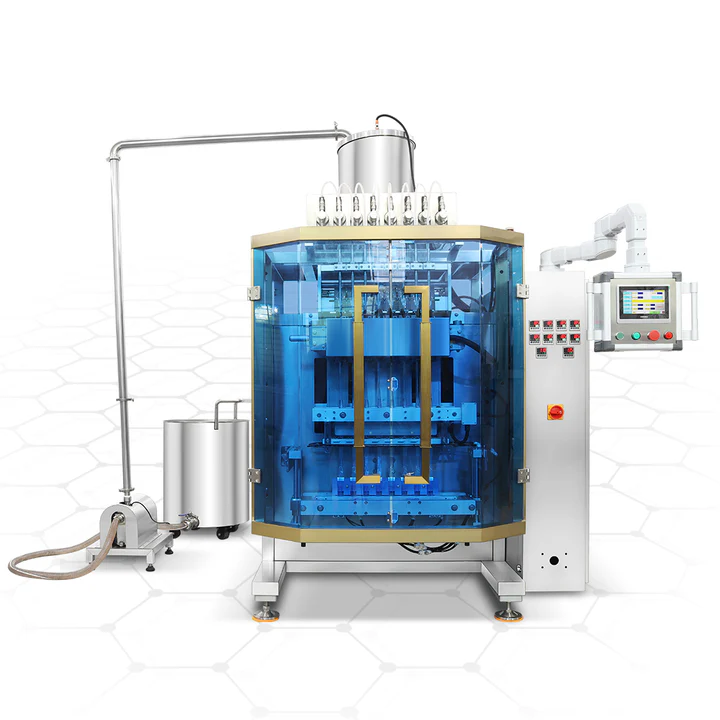
Blue guarded VFFS pouch filling machine
Pouch filling questions

Pouch filling line controls, handshakes and recovery states.

A reliable line states exactly when each machine may run, stop, dose, transfer, reject and restart, with safe behaviour for faults and loss of communication.

Write the sequence before assigning terminals or software tags.

Start with the physical pack path and quality decisions. Define what each machine knows, what it must tell the next machine, which state is safe when a signal is lost and who owns the transition back to production.

State or signalMeaning to defineEvidence at test
Ready / permissiveThe machine can accept or create the next pouch under the current format and recipe.Signal changes correctly when the real acceptance condition is removed.
Running / cycle activeThe unit is producing or transferring a pouch, not merely powered.Sequence and timing agree with the physical pack movement.
Blocked / starvedDownstream cannot accept, or upstream cannot supply, the next item.Controlled hold without lost dose, seal or traceability.
Fault / safety stopThe line cannot continue until the named condition and reset sequence are satisfied.Safe stop, retained diagnosis and controlled restart.
Reject requested / confirmedA specific pouch is marked for removal and its physical rejection is verified.Challenge pack follows the defined path and is not counted as good.

Direct answers about pouch line control states.

Controls should preserve product quality, pack identity and safe recovery across the complete line.

Which control signals should a pouch filling line exchange?

At minimum, define ready, run permission, starved, blocked, fault, safety status and any pouch-specific reject or tracking signals needed by the process. The exact interface depends on whether equipment transfers a physical pouch, product permission or quality decision.

State the normal, fault and lost-signal condition for every handshake.

What should happen when the downstream machine is blocked?

The upstream sequence should inhibit new work before accumulation creates a collision, uncertain pouch or contaminated seal. A pouch already in process may need to finish, hold or reject according to its position and quality status.

Define accumulation capacity, stop order and restart order in the line description.

How should rejects be tracked and confirmed?

Associate the reject reason with a specific pouch and verify that the same pouch leaves through the reject path. If confirmation is absent or tracking is lost, the line should enter the agreed fault or containment state rather than assume success.

Challenge code, weight or inspection faults during acceptance to prove the complete chain.

What should the line do after an emergency stop or power interruption?

The line should remain stopped until the application-specific safe reset conditions are met, then identify or remove any pouch whose dose, seal, code or inspection status is uncertain. Automatic restart should not occur merely because power or a safety circuit returns.

Recovery must follow the machine instructions, site risk assessment and approved operating procedure.

UK work-equipment users should confirm guarding, emergency stops, isolation, training and recovery through the application-specific risk assessment and procedures. See the HSE PUWER overview and HSE guidance on safe interventions.

Test the abnormal states, not only the normal cycle.

Challenge product starvation, pouch absence, downstream blockage, coder or inspection fault, reject confirmation loss, guard opening and controlled restart. Record the expected state, actual response and disposition of every pouch already in the line.

Use the coding, inspection and reject guide for quality tracking and the line layout page for physical interfaces.

Control-interface schedule

  • Equipment and signal owner
  • Signal name and physical meaning
  • Normal and de-energised state
  • Response time and timeout
  • Pouch disposition on failure
  • Reset permission and sequence
  • Operator message and retained fault
  • Acceptance challenge and evidence

Send the complete line sequence with the layout.

Lancing can review mechanical handovers and control states before coding, inspection and conveyor interfaces are fixed.

Discuss line integration
Call nowContact us