Pouch filling machinery, VFFS bagging and filling & sealing lines from Lancing UK01494 623015 · sales@lancinguk.com
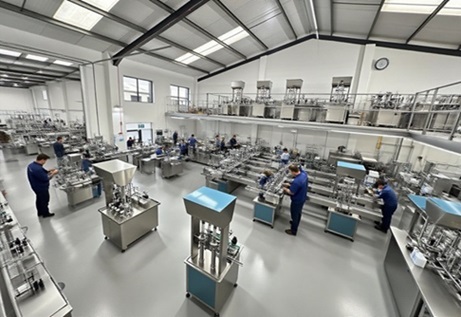
Lancing pouch filling workshop used to illustrate cleaning, maintenance and safe changeover planning
Hygiene and controlled cleaning

How should hygiene, cleaning and allergen changeover be specified for a pouch filling line?

A useful hygiene specification maps the product-contact path, cleaning method, safe access, cross-contact risk, verification and line-release evidence for the actual products and site.

Define the cleaning boundary from product risk and the next production run.

The cleaning specification should identify every product-contact and contamination-transfer point, how it is accessed, the approved cleaning method, how reassembly is checked and what evidence releases the line. A generic statement such as “stainless steel machine” does not define cleanability or allergen control.

AreaQuestions to resolveEvidence for the brief
Product pathWhich hoppers, screws, weighers, pumps, hoses, nozzles, chutes and guards can contact product or drips?Product-flow diagram and contact-part list.
Cleaning methodIs the route dry-cleaned, wet-cleaned, dismantled, flushed or cleaned by a validated combination?Site cleaning procedure, chemistry, tools, water and drying requirements.
Changeover riskWhat must be removed before the next allergen, flavour, colour, fragrance or chemical product?Product sequence, risk assessment and release criteria.
Access and isolationHow are movement, electrical, pneumatic, hydraulic, gravity and stored-energy hazards controlled before intervention?Site safe system of work and isolation requirements.
Line clearanceHow are old product, pouches, film, labels, code data and rejects removed from the whole line?Line-clearance checklist and approval responsibility.
VerificationWhat visual, swab, allergen, microbiological or other method is appropriate to the site's hazard plan?Validated method, sampling points, limits and retained result.

Direct answers about pouch line hygiene and changeover.

What should a pouch filling cleaning specification include?

Map the full product path, contamination-transfer points, removable parts, access, cleaning method, chemistry, tools, isolation, rinse or dry-down, inspection, reassembly and release evidence. Include the upstream feed and downstream handling where they can return product or contamination to the filler.

How should an allergen changeover be planned?

Plan the changeover from the next-product risk, not from a fixed cleaning time. Define the allergen or cross-contact hazard, sequence products where possible, remove residues from identified harbourage points and use the site's validated verification method before release. The final procedure remains the food business operator's responsibility.

Is dry cleaning or wet cleaning better for a pouch filling machine?

Neither is universally better. Dry powders may require controlled vacuuming, dismantling and dust containment, while liquids and pastes may require draining, flushing or wet cleaning. Water can create additional risks in equipment not designed for it. Select the method from the product, machine design and site hygiene plan.

What safety information is needed before cleaning or unblocking?

The site must identify every energy source and the isolation, lock-off, stored-energy release and verification steps required before access. Cleaning and unblocking should be covered by a competent risk assessment and safe system of work. Do not rely on an emergency stop as the only isolation method.

Build a repeatable hygiene release sequence.

  1. Identify the outgoing and incoming products

    Record allergens, microbiological risk, colour, flavour, fragrance, chemical compatibility, particles and the consequences of carry-over.

  2. Stop and isolate the line safely

    Use the site's approved controls for electrical, pneumatic, hydraulic, gravity and stored energy before guards or product-contact parts are opened.

  3. Remove product and packaging

    Clear the hopper or tank, dosing system, transfer path, pouch or film, code data, rejects and downstream accumulation.

  4. Clean the defined boundary

    Follow the validated dry, wet, dismantled or flushed procedure using approved tools, chemistry and contact time.

  5. Inspect and verify

    Check identified points using the site's documented visual and analytical methods and record any deviation or repeat clean.

  6. Reassemble and line-clear

    Confirm parts, seals, fasteners, guards, tools, recipes, labels, film or pouches and reject containers before start-up.

  7. Approve first production

    Inspect the first-off pouches and retain the cleaning, verification and release record linked to the batch.

Information for a hygienic machine review

  • Product and allergen matrix
  • Microbiological and cross-contact risks
  • Dry or wet cleaning method
  • Cleaning chemicals and water restrictions
  • Required dismantling and tool access
  • Verification and release method
  • Product sequence and change frequency
  • Site isolation and safe-access rules

Authoritative safety and hygiene references.

The Food Standards Agency guidance on cross-contamination and its allergen guidance for food businesses support a risk-based site procedure. The HSE maintenance guidance addresses safe maintenance and isolation, while EHEDG publishes hygienic-design principles for food-processing equipment. Application-specific risk assessment and validation remain essential.

Cleaning and maintenance evidence

Link interventions, wear parts, faults and safe return to service to the machine record.

Review aftercare evidence →

Contract packing projects

Use a product-and-pack matrix to separate cleaning and cross-contact requirements by customer job.

Plan a multi-format line →

Define the hygiene boundary before choosing the machine.

Send the product matrix, cleaning method, change frequency and site verification requirements so Lancing can review practical access and product-path needs.

Discuss cleaning requirements
Call nowContact us