
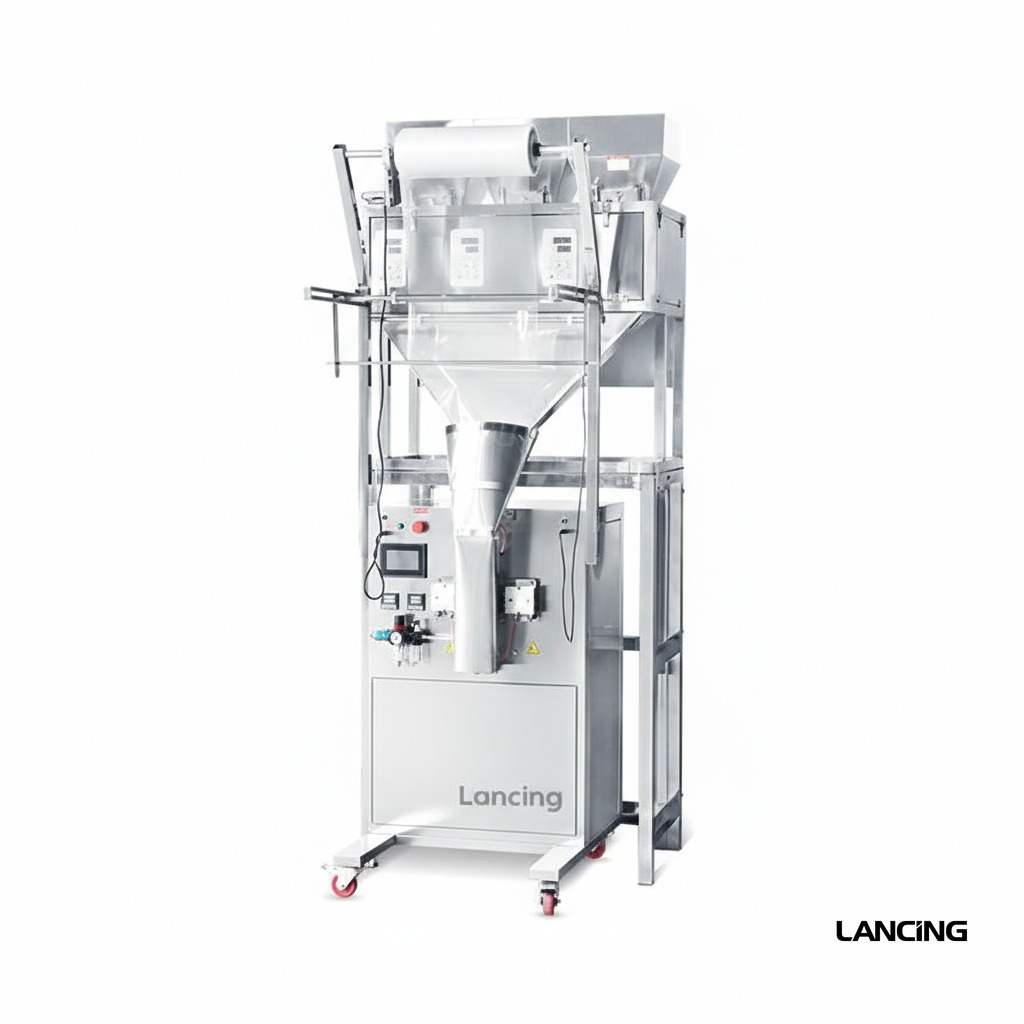
Premade pouch
Premade pouch filling route
Best where the pouch is already made and needs reliable opening, filling and sealing.
View route →The right route depends on whether the pack already exists or should be formed from roll film, plus the output, presentation and changeover requirements.
Use this page to prepare an accurate machinery enquiry before choosing a pouch filling machine route.
These are covered naturally on the page so Google can understand the specific application rather than treating the site as one generic pouch filler page.
The correct system is normally selected from product behaviour, pack format and output target.
Best where the pouch is already made and needs reliable opening, filling and sealing.
View route →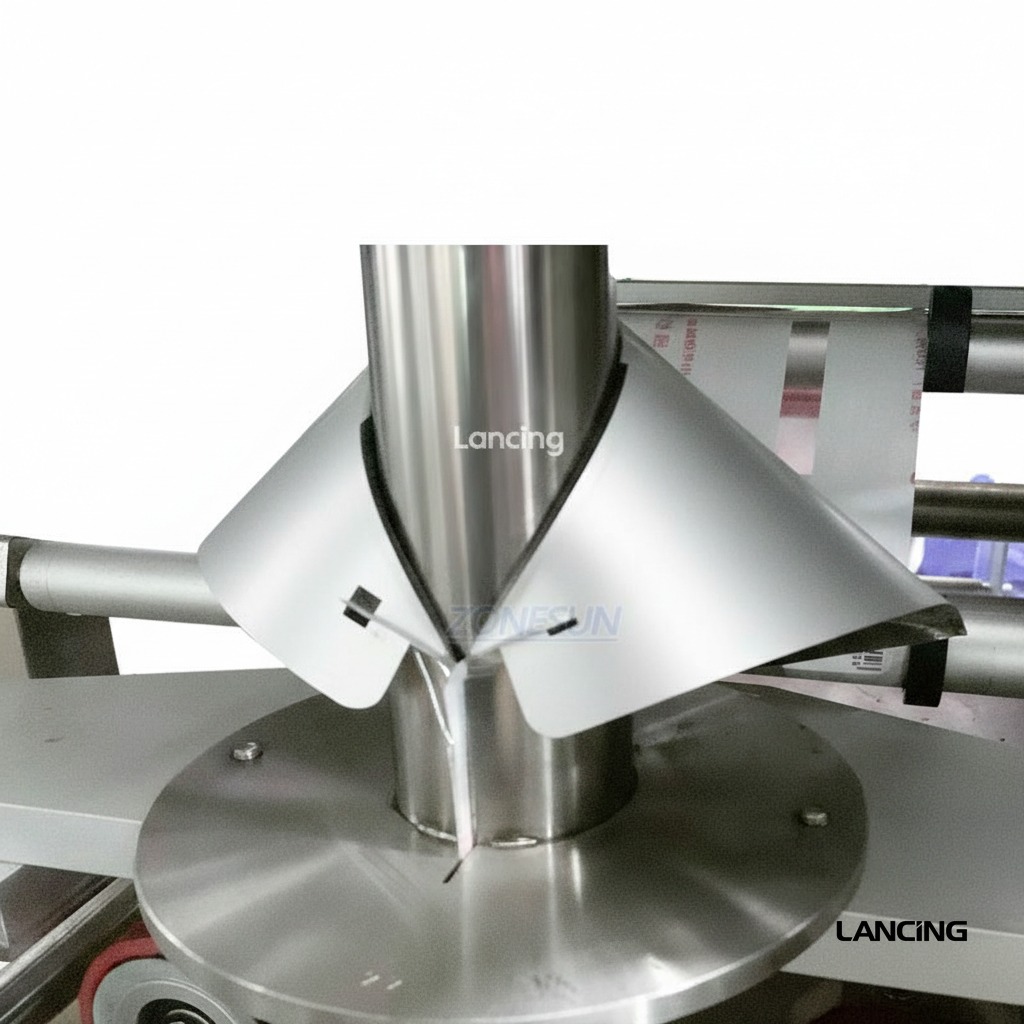
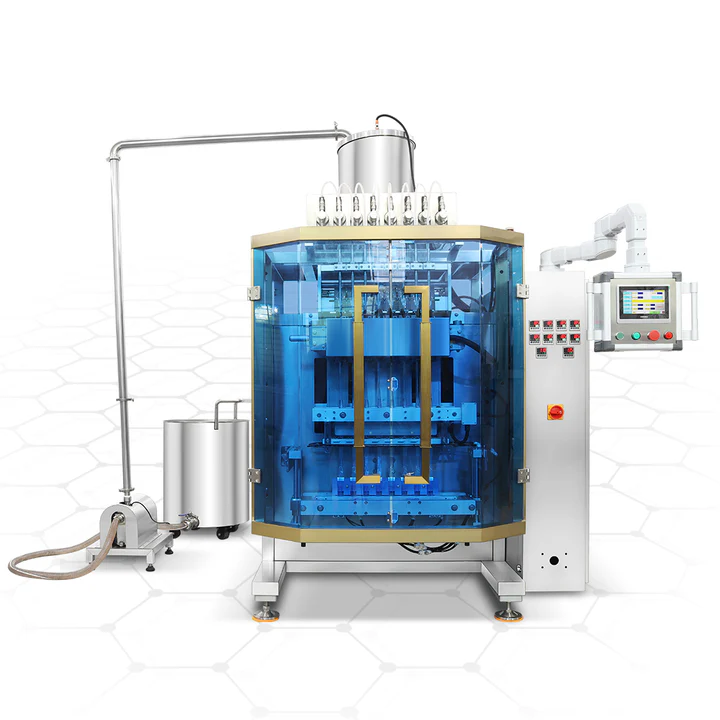
Best where film is formed into the pouch inside the machine for repeatable high-volume production.
View route →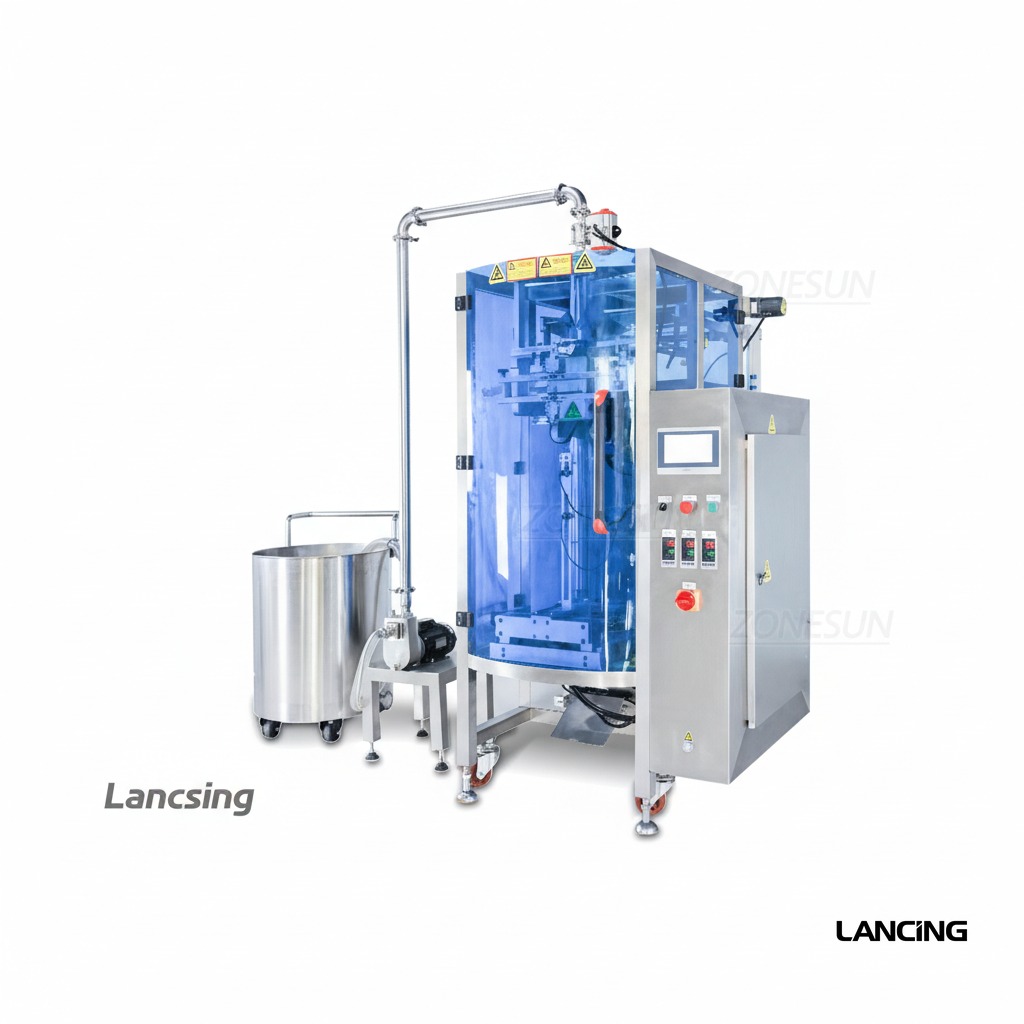
Best where viscosity, foaming, dripping and seal contamination need to be controlled.
View route →Move between the main machine routes and application pages to narrow the specification.
Send product samples or product notes, fill weight or volume, pouch drawings, required speed, utilities, container sizes and any coding, checkweighing or conveyor requirements.
Premade pouches are suited to strong shelf presentation and formed packs. VFFS is usually considered when roll film, higher volumes or in-machine bag forming are required.
Send your product, pouch format and target output. Lancing UK will help shortlist a practical route.
The pack appearance is only one part of the decision. Material supply, handling window, dosing, sealing, changeovers, waste, coding, inspection and retained settings determine how each route fits the production system.
| Decision area | Premade pouch evidence | VFFS evidence |
|---|---|---|
| Packaging supply | Finished pouch dimensions/tolerance, stiffness, opening, zipper/spout and supplier batch consistency. | Laminate/sealant, reel width/core/diameter, repeat, marks, unwind direction and winding quality. |
| Format control | Magazine, pickup, opening, gripper datum, fill support and format change parts. | Former, web path, tension, registration, bag length, longitudinal/cross seal and reel change. |
| Dosing interface | Chute/nozzle clearance through the open mouth and protection of zipper/top-seal band. | Product-drop timing inside the forming tube and clearance from the moving cross-seal zone. |
| Quality risk | Missed/double pick, incomplete opening, skewed grip, feature damage and contaminated top seal. | Web tracking, registration drift, wrinkles, incomplete seals, cut position and product in cross seal. |
| Changeover evidence | Magazine/gripper/guide parts, feature positions, pouch supply and first-off approval. | Reel/former/web settings, registration, jaw settings and first-off dimensions/integrity. |
Use the opening and gripper guide for premade formats, the material guide for both pouch and reel evidence, and the dosing guide to test the product interface before the final route is chosen.
The decision should compare the complete packaging and production system, not only the appearance of the finished pouch.
Premade pouches arrive printed and converted, while VFFS uses printed reel material that is formed and cut on the machine. Artwork approval, print repeat, registration marks, orientation, supplier minimums and the frequency of design changes therefore affect stockholding, setup and control.
Use production-equivalent printed material during final trials because plain samples cannot prove registration or code position.
Neither route is automatically simpler; the answer depends on what changes. Premade formats may need magazine, gripper and opening adjustments, while VFFS changes can involve the reel, former, web guides, bag length and registration settings.
Compare the actual format matrix, change parts, cleaning boundary and first-off approval steps for each route.
Compare all waste created during storage, setup, reel or magazine replenishment, registration, faults, changeover and quality rejection. Premade pouches and reel film create waste in different forms, so a simple cost per empty pack does not describe production loss.
Record the trial quantity issued, accepted packs and unused or rejected packaging for each route under comparable conditions.
Use representative product and packaging trials, required presentation, good-pack output, changeover needs, material supply, line footprint and quality controls. The preferred route is the one that meets the agreed acceptance method with manageable operating and supply-chain risk.
The question hub links the format decision to dosing, output, trials and quotation scope.
Send the application details, representative samples and required acceptance checks so Lancing can review the suitable pouch filling route.
After choosing premade pouches or VFFS, confirm the machine architecture and the final packaging construction rather than treating the route choice as the end of specification.
Compare rotary and linear station layouts against space, access, product feed, inspection and changeover.
Compare premade pouch layouts →Trial new recyclable or mono-material pouches and films for handling, forming, sealing and normal supplier variation.
Plan the material transition →